
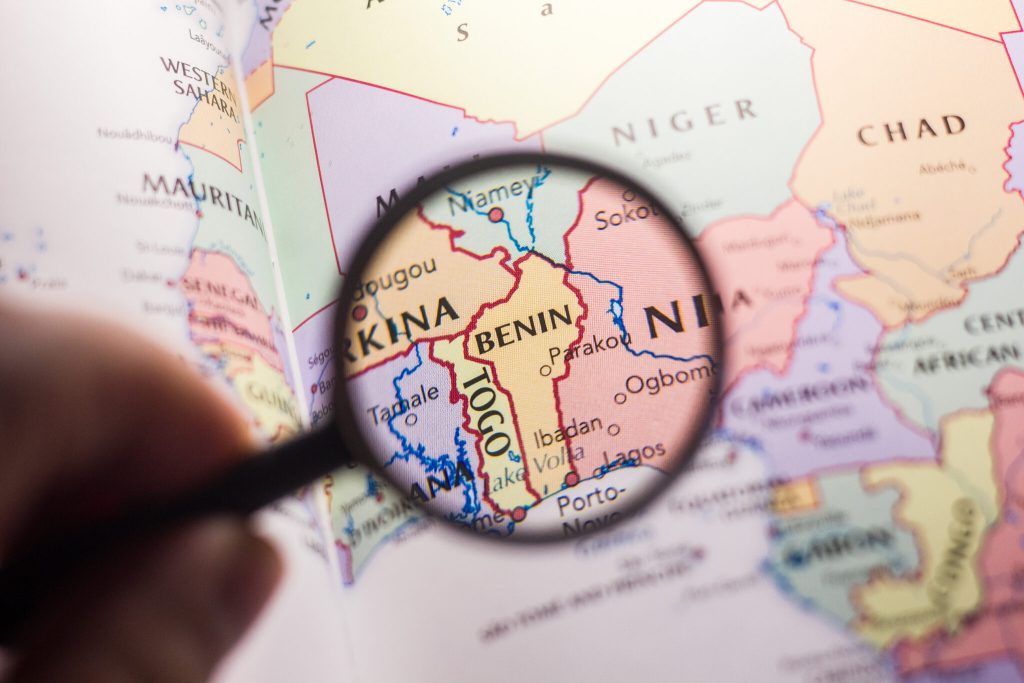
In a dramatic unfolding of international intrigue, South African prosecutors have brought to light serious allegations involving Russian financial support for an attempted escape orchestrated by Kemi Séba, a controversial social media influencer facing charges in Benin related to an alleged coup attempt. This case not only highlights the complexities of global politics but also raises critical questions regarding the role of foreign influence in domestic affairs and the intersection of finance and security.
The allegations center on a bizarre collaboration between Kemi Séba, a French-born activist known for his Black nationalist rhetoric, and Francois van der Merwe, who leads a far-right White nationalist movement in South Africa. Prosecutors claim that both individuals have established connections with Russian entities, suggesting that such alliances are emblematic of a broader strategy employed by Russia in Africa to foster instability and anti-Western sentiments. At the heart of this case lies a troubling narrative of international finance, political turmoil, and the potential for violence.
Kemi Séba, whose real name is Stellio Gilles Robert Capo Chichi, was apprehended alongside his son and van der Merwe as they prepared to illegally cross into Zimbabwe, allegedly to escape extradition to Benin. Prosecutors allege that the trio was discovered due to a police operation disguised as private security, which had been hired by van der Merwe. During the arrest, authorities seized more than 300,000 rand (approximately $18,460), purportedly linked to funds provided by Russian sources to facilitate Séba’s escape.
The Directorate for Priority Crime Investigation, commonly known as the Hawks, has requested assistance from South African financial regulators to trace the origins of this money, which they suspect may be connected to Russia’s broader patterns of support for military juntas in West Africa. These developments come against the backdrop of Russia’s involvement in various disinformation campaigns across the continent, aimed at undermining Western influence and eroding public trust in democratic institutions.
Séba’s alleged activities extend beyond mere social media posts; he has been accused of inciting violence against the French state and supporting anti-Western sentiments through his online presence. His notoriety grew substantially in 2017 when he was arrested in Senegal for burning banknotes in protest against the regional currency’s ties to France—a move that resonated with many who feel disenfranchised by the historical legacies of colonialism.
As the extradition process unfolds, both Séba and van der Merwe remain in custody, with a court hearing scheduled to address Benin’s request for extradition. Séba’s legal representation argues vehemently against the allegations, insisting on his innocence and disputing any connections to Russian operatives. Meanwhile, van der Merwe’s attorney has not publicly responded to inquiries, leaving a cloud of uncertainty hanging over the case.
This situation raises several key points for investors and traders, particularly those involved in markets sensitive to geopolitical developments:
1. **Impact on African Markets**: The implications of this case could ripple through African markets, especially in nations where Russian influence is growing. Investors should pay close attention to political developments and potential shifts in policy that may arise from increased instability.
2. **Scrutiny of Foreign Investments**: As the allegations suggest a financial connection to international players, businesses operating in or with ties to Africa may face heightened scrutiny. Understanding the sources of funding and the motivations behind foreign investments will be crucial.
3. **Geopolitical Risk Assessment**: The intersection of finance and geopolitics is becoming increasingly pronounced. Investors must factor in the potential for civil unrest or government crackdowns as nations navigate the complexities of foreign influence, especially from Russia, which has been accused of destabilizing regions for strategic gain.
4. **Monitoring Disinformation Campaigns**: The role of social media in shaping public sentiment cannot be understated. Companies should be vigilant regarding the narratives that gain traction on digital platforms, as they can influence market perceptions and consumer behavior.
In conclusion, the allegations surrounding Kemi Séba and the alleged financial ties to Russia highlight the intricate and often perilous weave of global politics, finance, and security. As the extradition case progresses, it will be essential for investors and traders to navigate these murky waters with a keen eye on developments that could impact not only the local contexts but also the broader international landscape. Understanding the motivations of foreign actors and the implications of their actions will be key in making informed decisions in a world where political and financial realms are increasingly intertwined.