
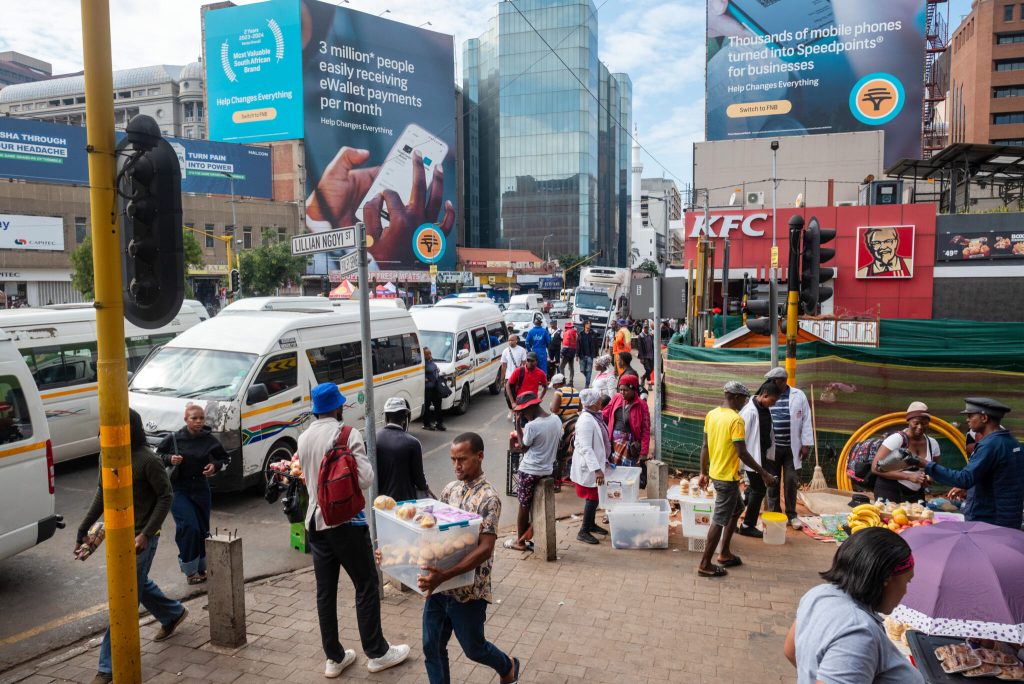
As South Africa grapples with an unemployment crisis, the latest figures reveal a troubling trend that could be influenced by international events. The nation has recorded its highest unemployment rate in four years, reaching a staggering 33.6%. This increase, noted in the recent quarterly report from Statistics South Africa, underscores the economic struggles facing the country, exacerbated by external shocks such as the ongoing conflict in the Middle East.
The rise in unemployment from 32.7% in the previous quarter to 33.6% through June marks a significant development in South Africa’s labor market. The increase comes as no surprise to economists, who had anticipated a median estimate of only 32.6%. This data reflects the first complete quarter of employment statistics following the escalation of the Iran war, a conflict that has not only heightened tensions in the region but also had ripple effects on global energy prices and economic stability.
The impact of this geopolitical conflict is palpable. With energy prices soaring, households are feeling the pinch, leading to reduced disposable income and tougher living conditions. In response, the South African Reserve Bank (SARB) raised interest rates in May, intending to combat inflation. However, these monetary tightening measures could further suppress both investment and consumer spending, creating a challenging environment for businesses and workers alike.
A closer examination of the unemployment statistics reveals that approximately 8.5 million people are now unemployed, up from 8.1 million in the prior quarter. The sectors most affected by job losses include community and social services, as well as mining. Conversely, some industries, such as trade and construction, have seen an uptick in hiring, which may provide a glimmer of hope amidst the broader economic gloom.
Key takeaways from this situation highlight several critical factors influencing South Africa’s economy. First, the interconnectedness of global events and local economies cannot be overstated. As international conflicts disrupt markets and inflate costs, countries like South Africa, which rely heavily on imports, face severe challenges. Second, the response of monetary authorities, like the SARB, plays a crucial role in shaping economic outcomes. While the SARB kept rates unchanged at 7% last month, its readiness to act if inflation persists signals a cautious approach that could either stabilize or further complicate the economic landscape.
For traders and investors, these developments present both risks and opportunities. Understanding the dynamics of South Africa’s job market and the larger economic context is essential for making informed decisions. Investors might consider sectors that are resilient or even growing, such as construction and trade, as potential safe havens during economic downturns. On the other hand, exposure to industries adversely affected by high energy costs and interest rates, like mining and community services, should be approached with caution.
Furthermore, the rising unemployment rate serves as a stark reminder of the socio-economic challenges that continue to plague South Africa. As the government navigates these tumultuous waters, the effectiveness of its policies in addressing unemployment will be critical. There is a pressing need for initiatives aimed at job creation, skill development, and economic diversification to mitigate the adverse effects of external shocks.
In conclusion, South Africa’s current unemployment crisis, exacerbated by global conflicts and internal economic policies, paints a picture of a nation at a crossroads. While the latest statistics indicate a troubling trend, they also highlight the need for a comprehensive response to foster economic resilience. For stakeholders, from policymakers to investors, understanding the nuances of this situation will be key to navigating the challenges ahead. As the global economic landscape continues to evolve, South Africa’s ability to adapt will ultimately determine its path towards recovery and growth.