
In the ever-volatile landscape of global oil markets, recent developments have sent prices on a rollercoaster ride, reflecting the intricate interplay of geopolitics, supply considerations, and trader sentiment. As of late, oil prices have shown notable sensitivity to news coming from diplomatic fronts, particularly regarding the tense relationship between the United States and Iran. This blog post delves into the factors influencing current oil prices, the implications for traders and investors, and what the future might hold for this critical commodity.
In recent trading sessions, the price of Brent crude oil experienced fluctuations, initially rising to around $90 per barrel before settling back below $88. This volatility can be attributed to a series of optimistic signals emerging from diplomatic talks involving Pakistan, the U.S., and Iran. Pakistan’s Defense Minister Khawaja Asif suggested that negotiations aimed at reducing tensions in the Strait of Hormuz, a pivotal route for global oil transportation, are progressing. Such remarks have the potential to alter market perceptions and influence trading strategies significantly.
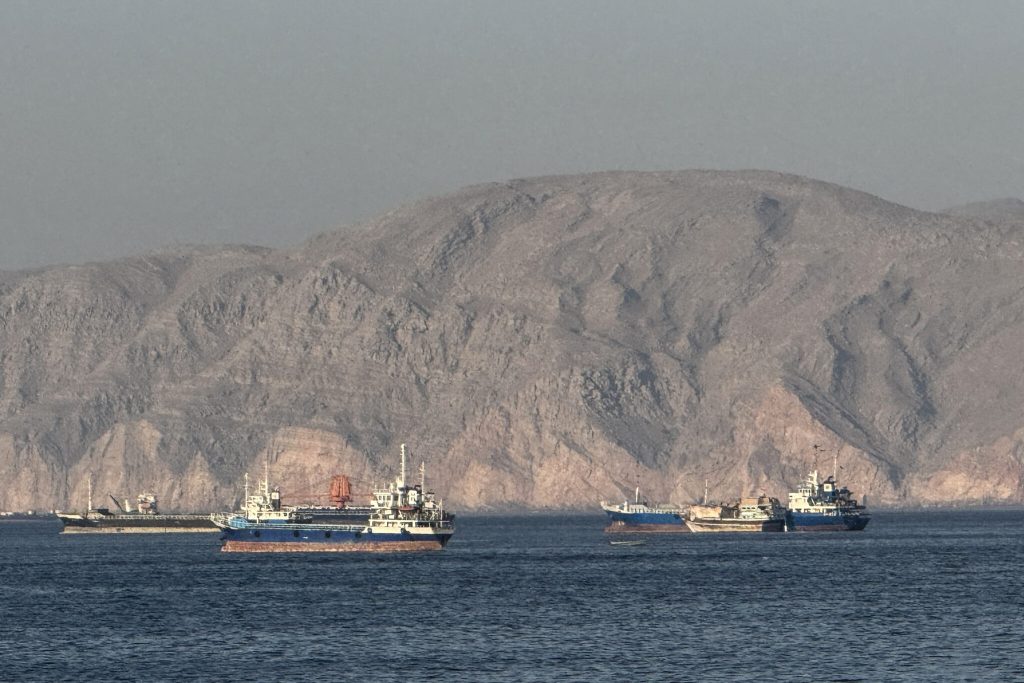
The Strait of Hormuz is a vital channel that facilitates approximately 20% of the world’s oil and gas supply. Any developments that could lead to the reopening of this critical route are closely monitored by traders and analysts alike, as any disruptions can have far-reaching effects on global oil prices. The recent surge in oil prices was exacerbated by heightened tensions following the U.S. government’s increased demands on Iran, which clouded the possibility of diplomatic resolution.
Traders have been observing the market with caution, as evidenced by the recent profit-taking that occurred after the price increases. Arne Lohmann Rasmussen, chief analyst at Global Risk Management, noted that optimistic rhetoric regarding U.S.-Iran communications prompted some traders to secure their profits, especially after a significant price rally earlier in the week. The market dynamics are further complicated by the ongoing conflict in Ukraine, which has disrupted oil supply chains and contributed to rising diesel prices across Europe.
Another layer of complexity has been added with incidents reported in Russia’s oil sector, including a fire at Rosneft’s Komsomolsk oil refinery and drone-related damages in other facilities. Such disruptions underscore the fragility of global oil supplies and the impact of geopolitical instability on pricing.
Key points to consider in this ongoing situation include:
1. **Diplomatic Efforts**: The potential for a diplomatic arrangement between the U.S. and Iran could significantly influence oil prices. Traders are keenly watching for any developments that may impact supply routes in the Middle East.
2. **Market Sensitivity**: Oil prices have proven highly reactive to news, with traders often making quick decisions based on headlines. This environment can lead to increased volatility, creating both risks and opportunities for market participants.
3. **Global Supply Challenges**: The ripple effects of the Russia-Ukraine conflict and regional tensions in the Middle East continue to strain oil supplies. This has led to increased prices and uncertainty in the market, particularly for diesel and other refined products.
4. **Economic Indicators**: Upcoming data releases from the U.S. Energy Information Administration (EIA) may provide additional context on inventory levels and market conditions, which are crucial for traders looking to gauge future price movements.
For investors and traders, these developments present a unique set of challenges and opportunities. The current oil market environment necessitates a proactive approach, where participants must stay informed about geopolitical developments and their potential impact on supply chains. Risk management strategies, including the use of stop-loss orders, may become increasingly important as traders navigate the heightened volatility.
In conclusion, the global oil market remains in a state of flux, shaped by a confluence of geopolitical tensions, supply chain disruptions, and evolving diplomatic relations. As traders and investors adjust their strategies in response to these dynamics, staying updated on developments in the Middle East and monitoring economic indicators will be vital. The potential for a diplomatic breakthrough could herald a new chapter for oil prices, but until then, the market will likely remain susceptible to rapid fluctuations driven by news and events.