
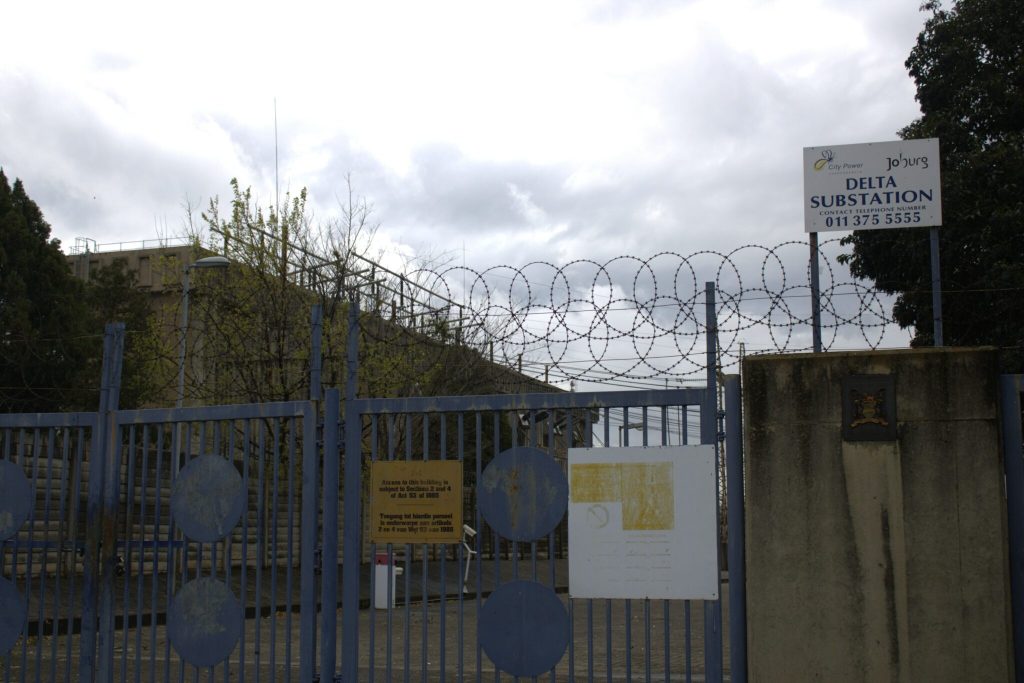
The city of Johannesburg is currently facing a significant challenge in its power supply system, grappling with a multitude of service requests due to persistent outages. This crisis, exacerbated by a combination of factors including inclement weather, aging infrastructure, and illegal connections, is placing immense pressure on City Power, the municipal entity responsible for electricity supply in the metro. In light of these ongoing issues, it is essential to examine the root causes of the power crisis, its implications for residents and businesses, and potential solutions moving forward.
City Power has been inundated with service requests, with reports indicating nearly 3,700 outage calls logged across eight service delivery centers in just one morning. The situation has been further complicated by the recent cold weather, which has not only increased electricity demand but also hampered the restoration efforts of technical teams. City Power spokesperson Isaac Mangena has acknowledged the overwhelming backlog of requests, noting that new faults are consistently being reported, making it difficult for the utility to keep pace with the rising demand for service.
A key contributor to the current crisis is the aging infrastructure that underpins Johannesburg’s power network. As the city has grown and evolved, the power supply system has not kept up, leading to vulnerabilities that are now being exposed by both environmental conditions and increasing population pressures. Compounding this issue is the prevalence of illegal connections and meter bypassing, which place additional strain on a system that is already operating beyond its intended capacity.
Moreover, the lack of adequate maintenance and investment in the electricity network has been highlighted by various stakeholders, including advocacy groups like JoburgCAN. The organization’s director, Julia Fish, emphasizes that the city must prioritize investment in infrastructure and maintenance before the onset of winter to prevent further outages. The reality, however, is that while City Power may have a healthy capital expenditure budget, its operational budget is severely constrained, limiting the utility’s ability to ensure security for the network and maintain essential services.
The implications of these outages extend beyond mere inconvenience for residents. Essential services, such as water supply, are also affected, as evidenced by the outage at the Crosby pump station, which rendered pumps inoperable and impacted local reservoirs. This interconnectedness highlights the vulnerability of urban infrastructure and the cascading effects that power outages can have on everyday life.
For traders and investors, the ongoing power crisis presents both challenges and opportunities. The instability of the power supply can deter investment in the region, as businesses seek reliable utilities to support their operations. Additionally, the rising costs of electricity and the potential need for businesses to resort to alternative, often less safe, power sources can impact profitability and operational efficiency.
However, there may also be opportunities for innovation and investment in the energy sector as the city seeks solutions to its power woes. Renewable energy projects, energy efficiency programs, and smart grid technologies could offer pathways for improving the reliability of the power supply while also addressing environmental concerns. Investors who are attuned to these trends may find avenues for growth in the burgeoning clean energy sector.
In conclusion, Johannesburg’s power crisis is a multifaceted issue that requires immediate attention and long-term strategic planning. It reflects deep-rooted challenges related to infrastructure maintenance, investment, and operational efficiency, and its ramifications extend to all residents and businesses within the metro. As City Power works tirelessly to respond to service requests and restore power, it is crucial for city officials and stakeholders to recognize the need for systemic change in how the electricity network is managed and funded. By prioritizing investment in infrastructure and exploring innovative solutions, Johannesburg can work towards a more stable and sustainable power future for all its residents.