
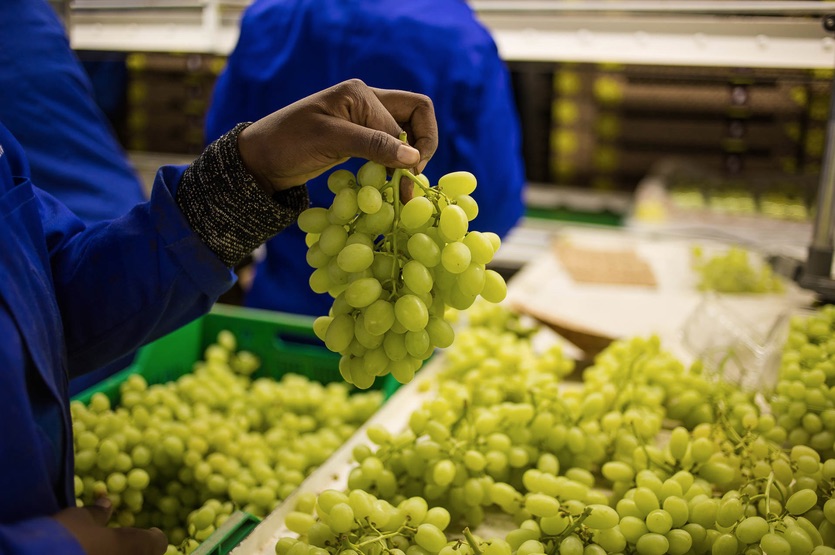
In a world where global supply chains are increasingly intertwined, the efficiency of ports remains a critical factor for exporters. South Africa’s table grape industry is currently facing significant challenges that could impact its productivity and international competitiveness. Recent discussions among industry stakeholders and government officials highlight the urgent need for improvements in port operations, particularly at the Port of Cape Town. This blog post will explore the current issues, proposed solutions, and what they mean for investors and traders in the agricultural sector.
The South African Table Grape Industry is a key player in the country’s agricultural export market. With an abundance of quality grapes produced, the industry has the potential to thrive on the international stage. However, recent discussions have revealed that outdated infrastructure, logistical bottlenecks, and inefficiencies at the Port of Cape Town are hindering export capabilities. Recognizing these obstacles, the Department of Transport has initiated conversations with Transnet, the state-owned rail and port operator, and other stakeholders to address these pressing challenges.
At a recent meeting attended by Minister Barbara Creecy, industry representatives, and Transnet leadership, the focus was on creating a collaborative approach to enhance port operations. Mecia Petersen, CEO of the South African Table Grape Industry, emphasized the importance of teamwork among all stakeholders to optimize efficiency. The agenda included three critical commitments aimed at streamlining operations, enhancing communication, and improving overall service delivery.
The first commitment is the establishment of a stakeholder forum that will have the authority to execute decisions aimed at improving port operations. This forum will include representatives from Transnet port terminals, shipping lines, and freight forwarders, with a focus on three key components: the gate, stack, and vessel operations. By fostering agile decision-making, this forum is expected to facilitate smoother processes and quicker resolutions to any issues that arise.
The second commitment revolves around season readiness, particularly crucial for the table grape context. The industry has agreed to develop a strategy that leverages a broader network of ports, including those outside Cape Town. This proactive approach includes planning to divert cargo to alternative ports when necessary, which can help mitigate disruptions caused by factors such as inclement weather. This flexibility is essential for maintaining timely deliveries to international markets and ensuring that South African grapes reach consumers at peak quality.
Finally, the longer-term vision includes a digital transformation for Transnet, focused on creating platforms that enhance data visibility throughout the supply chain. Improved access to shared data will empower stakeholders to make data-driven decisions, thereby enhancing operational efficiency and reducing delays. The push for a digital agenda is particularly relevant in today’s fast-paced market, where timely information can significantly impact competitiveness.
Key points to take away from these developments include:
1. **Collaboration is Key**: The establishment of a stakeholder forum signifies a shift towards more integrated operations, highlighting the importance of collaboration among various players in the supply chain.
2. **Flexibility and Proactivity**: The strategy to utilize a wider network of ports demonstrates a proactive approach to managing potential disruptions, which can safeguard the export of perishable goods like table grapes.
3. **Digital Transformation**: Embracing technology and data-sharing will be crucial for improving transparency and efficiency in the logistics process, enabling quicker responses to challenges.
For traders and investors in the agricultural sector, these developments hold significant implications. Enhanced port efficiency could lead to increased export volumes, potentially boosting revenue for producers and stakeholders in the supply chain. Furthermore, the emphasis on digital transformation suggests an opportunity for investors to consider technology solutions that cater to logistics and supply chain management within the agricultural space.
In conclusion, while challenges persist for the South African table grape industry, the recent engagements between government officials and industry stakeholders signal a commitment to overcoming these obstacles. By fostering collaboration, enhancing operational flexibility, and embracing digital advancements, the industry can position itself for a more prosperous future in the global market. For investors and traders, staying informed about these developments will be essential in navigating the complexities of agricultural exports and optimizing opportunities in a rapidly evolving landscape.