
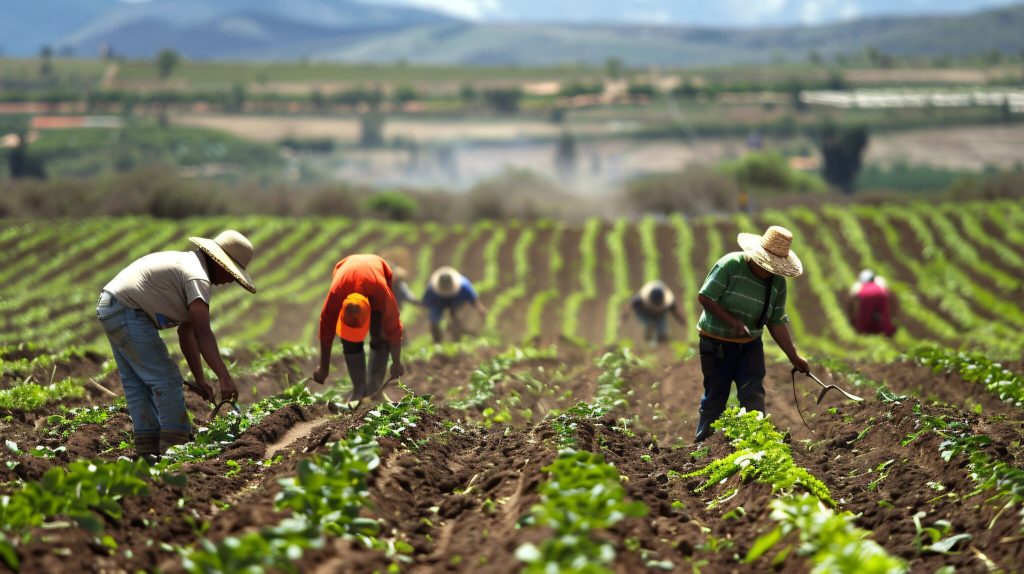
The South African table grape industry is at a pivotal moment, one that could set the stage for growth and sustainability in the face of various challenges. Recently, Mecia Petersen, the CEO of the South African Table Grape Industry, shared insights on commitments made by the government that aim to enhance the sector’s performance this season. As the industry navigates through economic uncertainties and climate-related issues, understanding the implications of these commitments is crucial for both producers and investors.
The table grape industry in South Africa is not just a significant contributor to the nation’s agricultural exports, but it also plays a vital role in job creation and rural development. With a robust global demand for high-quality grapes, the potential for growth is immense. However, this potential is contingent on the industry’s ability to adapt to challenges such as labor shortages, fluctuating market prices, and the impacts of climate change. In this context, the recent commitments from the Ministry of Agriculture signal a proactive approach to ensure the industry’s resilience and growth.
Three key commitments were highlighted by Petersen, which could reshape the landscape of the table grape industry. First, there is a renewed focus on sustainable farming practices. This includes initiatives aimed at reducing water usage and implementing environmentally friendly pest control methods. Given the increasing pressure on natural resources, adopting sustainable practices is not only beneficial for the environment but also essential for long-term profitability. Investors should take note of companies that prioritize sustainability, as these businesses are likely to attract more consumers and potentially command higher prices for their products.
Secondly, the government has pledged to enhance support for technology adoption within the industry. Embracing innovation is crucial for improving efficiency and productivity. This could involve the use of precision agriculture technologies, which help farmers make informed decisions based on real-time data. For investors, companies that leverage technology to optimize their operations may offer a competitive edge, translating to better financial performance.
The third commitment revolves around improving export logistics. The South African table grape market heavily relies on exports, and any disruption in the supply chain can have significant repercussions. By streamlining logistics and reducing bottlenecks, the government aims to facilitate smoother export processes. For traders and investors, this commitment could enhance the reliability of supply, making South African grapes a more attractive option in international markets.
The implications of these commitments extend beyond the immediate stakeholders in the grape industry. For traders and investors, understanding these developments is essential for making informed decisions. Companies that are successfully implementing sustainable practices, adopting technological advancements, and improving their logistics will likely emerge as market leaders. It is important for investors to conduct thorough due diligence, assessing not just financial statements but also the sustainability and innovation strategies of the businesses they are considering.
As the grape industry evolves, it is essential to remain aware of the broader economic context. Global demand for table grapes remains strong, particularly in markets such as Europe and Asia, where consumers are increasingly seeking fresh produce. However, competition from other grape-producing countries is fierce, and South African producers must differentiate themselves to maintain their market share. The commitments made by the government can serve as a foundation for this differentiation, allowing local producers to present a compelling value proposition to both domestic and international consumers.
In conclusion, the South African table grape industry stands at a crossroads, with significant opportunities for growth intertwined with pressing challenges. The commitments announced by the government reflect a recognition of these challenges and a willingness to take action. For stakeholders, including growers, traders, and investors, the focus on sustainability, technology, and logistics not only represents a pathway to improvement but also offers a chance to capitalize on the evolving market dynamics. By aligning strategies with these commitments, participants in the grape industry can position themselves for success in the years ahead.