
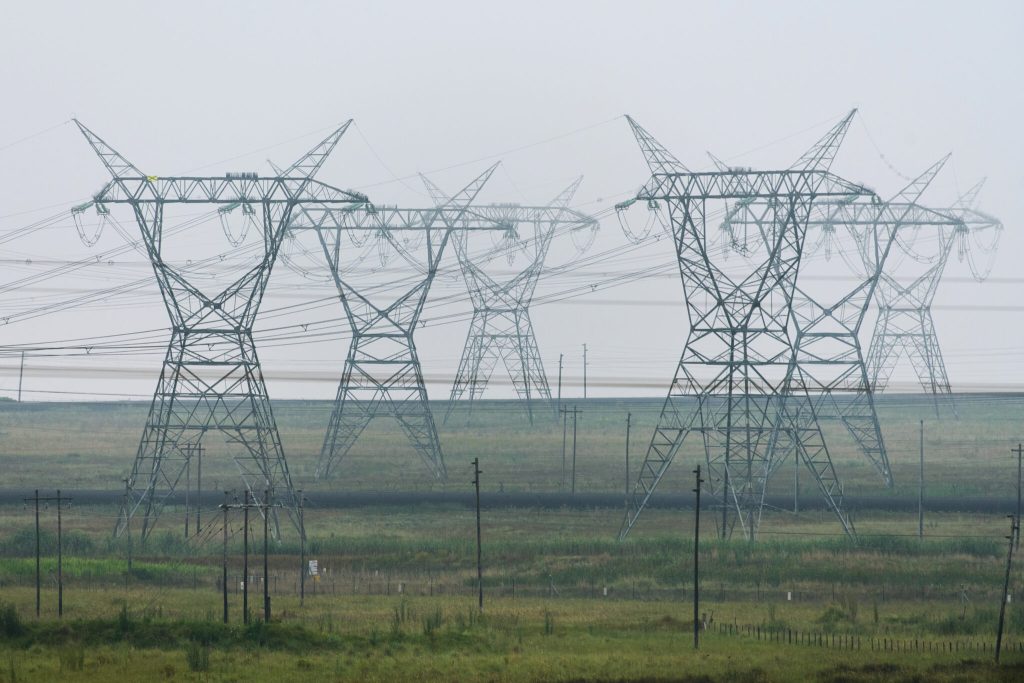
In South Africa, the energy landscape is undergoing a significant transformation, driven by Eskom’s strategic maneuvering to solidify its dominance in electricity distribution. This development, characterized by the establishment of Distribution Agency Agreements (DAAs), has started to reshape the financial dynamics for municipalities and their residents. As Eskom expands its reach, concerns are rising about the implications for municipal customers, particularly regarding electricity tariffs and service quality.
Eskom, the state-owned electric utility, has been grappling with financial distress for years, facing mounting debts and operational challenges. To alleviate some of this pressure, the utility has begun to enter into DAAs with various municipalities, effectively allowing Eskom to take over the electricity distribution function while the municipalities retain their distribution licenses. This arrangement is aimed at managing the escalating debts that municipalities owe to Eskom, which have reached staggering levels across the country.
Under the current structure, customers who purchase electricity directly from Eskom enjoy a more favorable rate of approximately R3.55 per kilowatt-hour (kWh) for a typical consumption of about 1,000 kWh per month. In stark contrast, residents within municipal distribution areas are often subjected to tariffs that are as much as 24% higher than those directly charged by Eskom. This discrepancy raises critical questions about the fairness of the distribution system and the long-term sustainability of municipal electricity services.
As Eskom aims to secure agreements with up to 30 municipalities, the utility’s market share in the distribution sector is projected to increase significantly. Presently, Eskom accounts for 55-58% of the total electricity distributed in South Africa, while municipalities manage the remaining 42-45%. The drive to enter into DAAs is largely motivated by the need to curb the soaring municipal debt to Eskom, but it also poses the risk of further financial strain on consumers who may not benefit from lower tariffs despite the utility’s expanded reach.
One notable aspect of the DAAs is the fee structure that Eskom imposes on participating municipalities. Reports indicate that municipalities signing these agreements are charged a service fee ranging from 4% to 10%. This fee is expected to be passed down to consumers, either through increased electricity tariffs or property rates, effectively negating any potential savings that the municipalities might have achieved through Eskom’s management of their electricity distribution.
Critics, including the South African Local Government Association (Salga), have raised alarms about the implications of these agreements, describing them as a “backdoor takeover” of municipal distribution by Eskom. Concerns have been voiced regarding the one-sided nature of the agreements, which have been criticized for favoring Eskom and not providing adequate protections or benefits for the municipalities involved. It has been suggested that a more balanced agreement should be formulated through discussions involving Eskom, National Treasury, and other relevant stakeholders, yet progress in this direction appears to be lacking.
The DAAs that have so far been signed, including agreements with municipalities such as Maluti-a-Phofung, Emfuleni, and Merafong, typically feature fixed terms after which the municipalities are expected to resume control. However, the agreement with Ditsobotla introduces a more complex dynamic, stipulating that the arrangement will only be terminated if both Eskom and the municipality agree that the latter has regained the capacity to manage the service effectively or has settled its substantial debt—currently approximated at R1.5 billion.
For investors and traders in the energy sector, these developments present both challenges and opportunities. The growing influence of Eskom in municipal electricity distribution may lead to a consolidation of power, potentially impacting the competitive landscape and prompting changes in investment strategies. Stakeholders will need to closely monitor how these agreements evolve, the financial health of municipalities, and the broader implications for energy pricing and service delivery.
In conclusion, the expansion of Eskom’s role in municipal electricity distribution through DAAs poses significant implications for consumers and local governments alike. While the aim is to alleviate municipal debt and ensure more efficient service delivery, the potential for increased tariffs and the concentration of power raises critical questions about the future of electricity distribution in South Africa. As the energy landscape continues to change, all parties involved—municipalities, consumers, and investors—must remain vigilant and proactive in navigating these developments.