
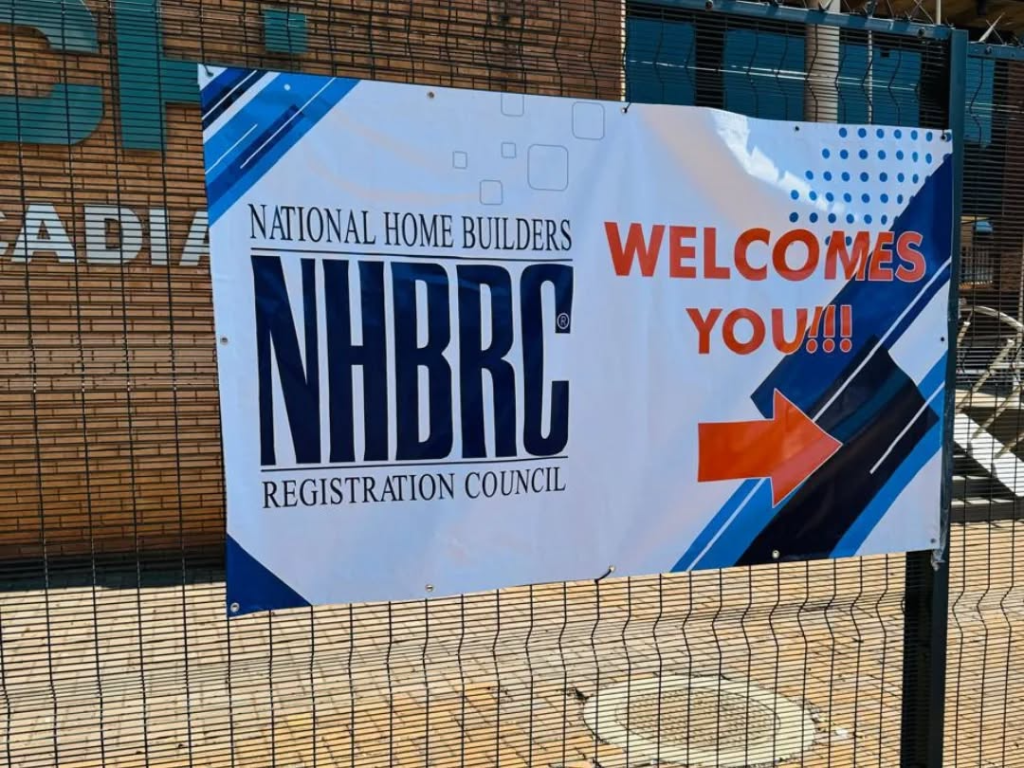
In the intricate world of home construction, regulatory bodies play a pivotal role in ensuring safety and compliance. One such entity is the National Home Builders Registration Council (NHBRC), which oversees the home building sector in South Africa. With a staggering cash and investments portfolio exceeding R11 billion, the NHBRC finds itself at a crossroads. Despite its robust financial standing, questions loom regarding its operational efficiency and accountability, especially in light of recent tragic events within the construction landscape.
The NHBRC serves as a crucial safety net for consumers, acting as the insurer of last resort for home builders. Its warranty fund is designed to protect homeowners when builders fail to correct defects or are unable to complete projects. In the 2025 financial year, the NHBRC collected an impressive R632.3 million in enrolment fees from builders and recorded an investment income of around R777 million. However, it only disbursed a mere R14 million in warranty claims, raising eyebrows about its financial practices and the appropriateness of the fees imposed on builders.
An examination of the NHBRC’s financials reveals a disconnect between its revenue generation and its claims payout. The council’s income from enrolment fees and investments dwarfs the amount it compensates homeowners for warranty claims. While the NHBRC may argue that its primary role is to prevent building defects through stringent builder registrations and inspections, the question remains: Are the current enrolment fees justifiable given the council’s substantial reserves and income?
Key Points to Consider
1. **Financial Resilience**: The NHBRC’s financial health is undeniable, with over R11 billion in cash and investments. This level of capital should ideally provide a robust safety net for homeowners, yet the low claims payout raises concerns about its operational focus.
2. **Revenue Streams**: The council earns significant income through both enrolment fees and investment returns, with its earnings from investments outpacing the costs associated with staff salaries and warranty claims. This financial model prompts a reevaluation of whether builders should continue to shoulder high fees.
3. **Regulatory Accountability**: The NHBRC’s role extends beyond financial oversight; it is tasked with enforcing standards within the building industry. The recent collapse of the Neo Victoria apartment block, which resulted in the tragic loss of 34 lives, underscores the importance of regulatory diligence. Multiple procedural violations were identified, which has led to suspensions and investigations into the NHBRC’s internal processes.
4. **Legal Repercussions**: The aftermath of the building collapse has sparked a lawsuit against the NHBRC, where victims’ families seek compensation for the loss of life. This legal challenge highlights the potential financial liabilities the council may face and raises further questions about its accountability in ensuring building safety.
Insights for Traders and Investors
For traders and investors in the construction and regulatory sectors, the situation surrounding the NHBRC serves as a crucial reminder of the importance of transparency and accountability in regulatory bodies. The financial strength of the NHBRC suggests that it could take proactive measures to enhance its operational efficiency and service delivery. Investors should closely monitor the outcomes of ongoing investigations and legal proceedings, as these could have significant implications for the council’s reputation and financial standing.
Furthermore, the NHBRC’s current model may be ripe for reform. If the enrolment fees do not align with the actual claims made, this discrepancy could prompt changes in policy or fee structures that may affect builders and their financial planning.
Conclusion
The NHBRC stands as a key player in the South African home building sector, with a financial profile that indicates substantial strength. However, the tragic events surrounding the Neo Victoria collapse call into question the council’s effectiveness in its regulatory role. As it navigates legal challenges and internal scrutiny, the NHBRC has an opportunity to reassess its operational strategies and ensure that it fulfills its mandate of protecting consumers while maintaining financial integrity.
For stakeholders in the construction industry, this period of reflection may signal impending changes that could reshape regulatory practices and financial obligations. As the NHBRC strives to balance its impressive financial resources with its responsibility to uphold safety and compliance, the lessons learned from recent events will undoubtedly influence the future of home building regulation in South Africa.