
Recent news from Western Zimbabwe has shed light on a tragic event that underscores the importance of safety in public transportation. A boat carrying over 90 individuals capsized on Lake Kariba, the largest man-made lake in the world. This incident has raised significant concerns about the safety measures in place for watercraft operating in the region, which is known for its scenic beauty but also its potential dangers.
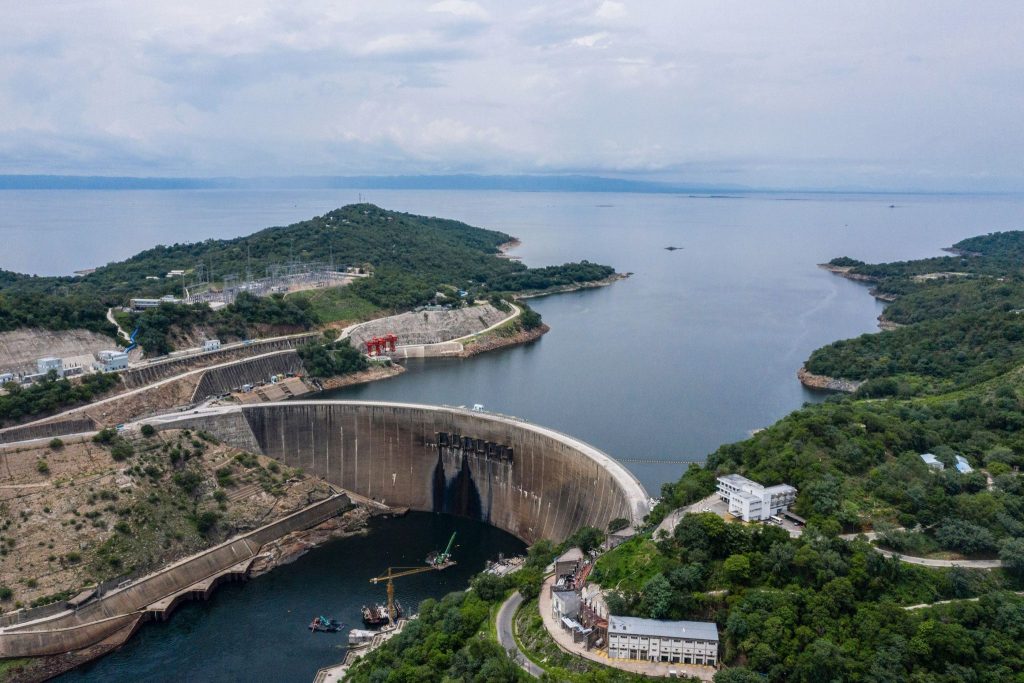
Lake Kariba, a vast expanse of water created by the Kariba Dam on the Zambezi River, serves as a vital transport route for many locals who rely on boats for their daily commuting needs. The Rural Infrastructure Development Agency operates these vessels, focusing on providing affordable transportation options for communities around the lake. However, as this unfortunate incident illustrates, the risks associated with such transportation methods cannot be overlooked.
The capsizing incident reportedly involved a boat with 90 passengers and five crew members on board. Immediate rescue operations were initiated, and local police confirmed that they were working diligently to account for all individuals involved. This event prompts a series of questions regarding the safety protocols instituted by the transport operators and the government’s role in regulating these services.
Public transport in regions like Zimbabwe, particularly in areas dependent on water travel, requires rigorous safety standards. The incident on Lake Kariba has highlighted the need for better enforcement of existing regulations and the implementation of enhanced safety measures. Boats must be equipped with sufficient life jackets, navigational aids, and trained personnel to handle emergencies effectively. Additionally, regular maintenance and inspections of the vessels can significantly reduce the risk of accidents.
The key takeaways from this tragic event extend beyond immediate rescue efforts. It serves as a reminder for stakeholders in the transport sector to prioritize safety over affordability. While providing economical transportation options is essential for low-income communities, it should not come at the cost of passengers’ safety. As this incident unfolds, it becomes crucial for both government authorities and transport agencies to engage in a collective effort to reassess and fortify safety regulations in public transportation.
For traders and investors in the transport sector, this incident could have implications for investment decisions and market perception. Safety incidents can lead to increased scrutiny from regulatory bodies, potential litigation, and a decline in public trust. Investors need to consider companies’ safety records and their responsiveness to incidents when evaluating their long-term viability. Companies that prioritize safety not only protect their customers but also enhance their reputational capital, which can be a significant differentiator in a competitive market.
Moreover, investors should keep an eye on the legislative response that may arise following this incident. If regulatory bodies decide to impose stricter safety measures, it could lead to increased operational costs for transport operators. This, in turn, might affect profitability and influence investment strategies in the sector. Additionally, a heightened focus on safety could spur innovations in transportation technology, creating investment opportunities in companies that develop safer and more efficient vessels.
In conclusion, the capsizing of the boat on Lake Kariba is a tragic reminder of the risks associated with public transportation, especially in regions dependent on water travel. It highlights the pressing need for improved safety protocols and the shared responsibility of the government and transport agencies to protect passengers. As rescue efforts continue and investigations unfold, stakeholders must reflect on the lessons learned and take proactive measures to ensure that such tragedies do not recur in the future. For investors, this incident serves as a critical indicator of the importance of safety in the transport sector and its potential impact on investment decisions. Ultimately, safeguarding human lives should always take precedence, and the transport industry must adapt to meet these essential safety standards.