
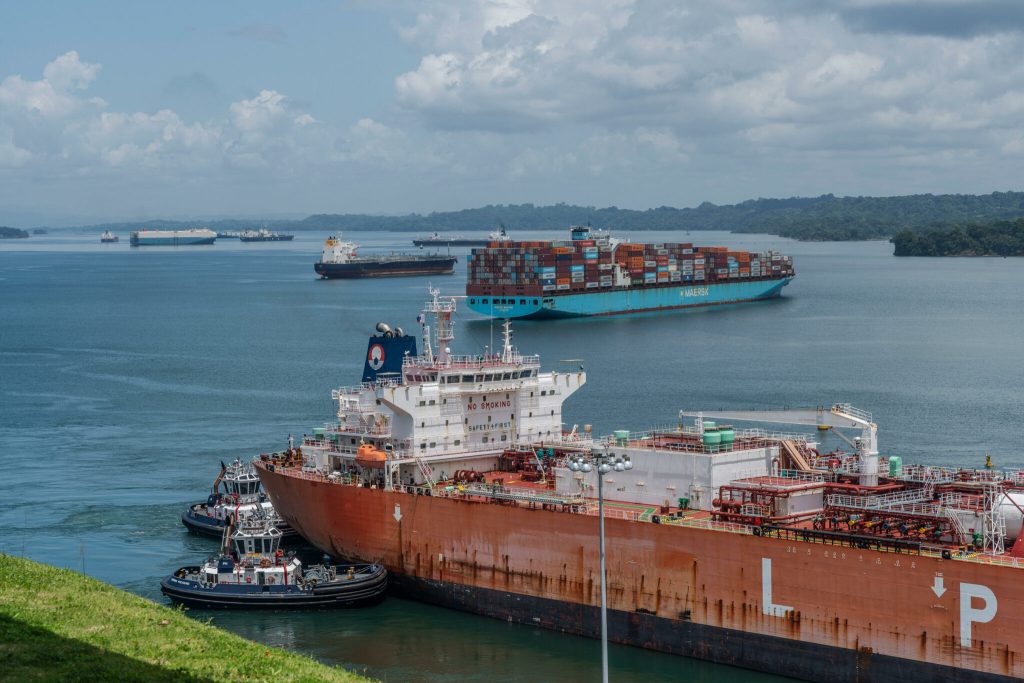
As global trade faces unprecedented disruptions, the maritime industry has been forced to adapt in ways that might have seemed unthinkable just a few years ago. One of the most striking examples of this adaptation is the recent decision by the owner of the container ship Seaspan Benefactor to pay an astonishing $4 million to cut the line at the Panama Canal. This significant sum reflects the growing urgency among shipping companies to navigate mounting delays, particularly influenced by geopolitical tensions such as the ongoing conflict in Iran.
The Panama Canal, a crucial artery connecting the Atlantic and Pacific Oceans, traditionally operates on a reservation system with a flat fee for transit. However, as the situation in the Middle East escalates, the canal has experienced significant congestion, leading to wait times that can exceed a week for vessels. The pressure on shipping routes has intensified, prompting some vessel owners to resort to an auction process that allows them to bypass the regular queue. The recent payment by Seaspan Benefactor represents a near-record high in this auction system, underscoring the lengths to which companies will go to ensure timely delivery of goods.
Historically, the Panama Canal has been integral to global shipping, facilitating the transport of vital commodities such as oil, natural gas, and chemicals. However, factors such as the Iran war have led to congestion at key transit points, including the Strait of Hormuz and the Bab el-Mandeb, which has further complicated shipping routes. As a result, traders and shipping companies have been scrambling to find alternative paths, leading to heightened demand for the Panama Canal, which is already operating at capacity.
The statistics tell a compelling story. Neopanamax vessels, which are among the largest container ships in operation, are currently facing wait times of up to ten days for transit from the Pacific to the Atlantic. This represents the longest delay recorded since May and is a direct consequence of both increased shipping traffic and maintenance outages at the canal’s locks. With these delays, shipping lines are increasingly willing to invest heavily to avoid further disruptions and ensure timely delivery of their cargo.
One of the most striking aspects of the auction process is the sheer amount of money being bid. The $4 million paid by the Seaspan Benefactor to jump the queue was more than double the average bid from the previous week. This illustrates not only the desperation of shipping companies but also the changing dynamics of global trade, where traditional pricing models are being upended by unforeseen circumstances. The Panama Canal Authority has acknowledged that the increased costs reflect shifts in supply and demand within global trade but has not provided further insights into the specific case of the Seaspan Benefactor.
The current situation is further complicated by maintenance work at the canal, which is expected to last until September. This work has affected the locks that accommodate Neopanamax vessels, limiting their capacity and contributing to the ongoing congestion. Additionally, the Panama Canal has recently reduced the maximum draft allowed for these large vessels due to lower-than-expected rainfall associated with the El Niño phenomenon. This combination of factors has created a perfect storm of delays and logistical challenges for shipping companies.
For traders and investors, the implications of these developments are significant. The increasing costs associated with shipping and the potential for further delays could lead to higher prices for goods as companies pass these costs onto consumers. Additionally, the tight supply of shipping capacity may prompt companies to explore alternative routes, which could further impact global trade patterns.
In conclusion, the willingness of the Seaspan Benefactor to pay a staggering $4 million to leapfrog the queue at the Panama Canal is not just a reflection of individual desperation; it is emblematic of broader trends in the shipping industry influenced by geopolitical tensions, logistical challenges, and evolving market dynamics. As the global trade landscape continues to shift, traders and investors must remain vigilant, adapting their strategies to navigate the complexities of this new reality. The challenges of today may well reshape the contours of shipping and trade for years to come, making it imperative for all stakeholders to stay informed and agile in their decision-making.