
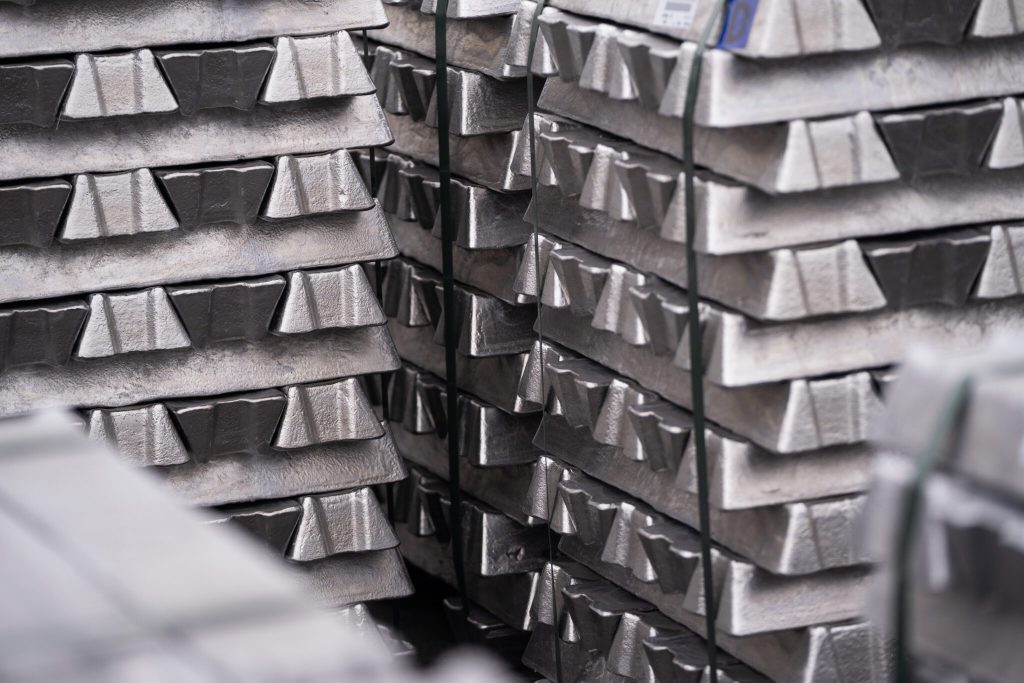
In an era marked by rising energy costs and intense global competition, the Australian aluminium industry finds itself at a crossroads. The announcement of a government bailout to support the Tomago aluminium smelter, one of the country’s largest, highlights the challenges faced by one of the most energy-intensive sectors. This financial assistance not only underscores the critical role of aluminium production in Australia’s economy but also raises important questions about the sustainability of such operations in the face of escalating operational costs.
The Tomago smelter, located in New South Wales and jointly owned by Rio Tinto Group and other partners, has been a significant player in the aluminium market for over four decades. However, recent developments signal that without support, its future could be jeopardized. The financial burden of soaring energy prices has pushed the smelter to the brink, leading to discussions between the majority owner, Rio Tinto, and both federal and state governments regarding a bailout package. Sources familiar with the matter indicate that an official announcement regarding this financial support is imminent, which will detail the specifics of the arrangement and outline the pathway forward for the smelter.
The core issue at hand is the staggering cost of energy, which accounts for more than 40% of the operating expenses at Tomago. The price of electricity has sharply increased in recent months, a trend that has adversely affected aluminium producers worldwide. This situation is exacerbated by intense competition from China, where aluminium smelters benefit from government subsidies and lower operational costs. As a result, many plants around the globe are facing closures or significant cutbacks in production, leading to a precarious state for the aluminium industry.
In response to these challenges, Prime Minister Anthony Albanese has pledged government support for the Tomago smelter, recognizing its importance to the national economy. During a visit to the facility last December, he acknowledged the pressures exerted by rising energy prices and promised assistance in order to maintain operations. The current discussions suggest that as part of the bailout, the smelter’s owners will need to invest at least A$1 billion (approximately $706 million) on maintenance and upgrades, indicating a long-term commitment to sustaining the plant’s operations.
This isn’t the first instance of government intervention in the aluminium sector; earlier this year, Rio Tinto secured A$2 billion in combined funding for another smelter in Boyne, Queensland. Additionally, other companies, such as Glencore and Trafigura, have received state support for their operations in Australia, reflecting a broader trend where the government intervenes to safeguard critical industries facing economic headwinds.
As stakeholders await the official announcement regarding the Tomago smelter bailout, several key points emerge. First, the ongoing reliance on governmental financial support raises questions about the long-term viability of energy-intensive industries in Australia. The aluminium sector must adapt to the changing energy landscape and consider diversifying energy sources or enhancing energy efficiency to mitigate the impact of high costs. Second, the global competition posed by subsidized operations in countries like China necessitates a reevaluation of Australia’s competitive positioning in the aluminium market. It may require innovation and strategic partnerships to ensure sustainability and profitability in the face of such competition.
For investors and traders, the developments surrounding the Tomago smelter present both challenges and opportunities. On one hand, the reliance on government support may signal vulnerabilities in the Australian aluminium sector that could impact stock prices and investor confidence. On the other hand, if the bailout leads to necessary upgrades and long-term stability at the smelter, it could represent a solid investment opportunity. Understanding the implications of these subsidies and the overall health of the aluminium market will be crucial for making informed investment decisions.
In conclusion, the impending bailout for the Tomago aluminium smelter shines a light on the broader challenges facing the aluminium industry in Australia. As energy prices continue to rise and global competition intensifies, the government’s support may offer a temporary reprieve. However, for the industry to thrive in the long run, a strategic focus on energy sustainability and operational efficiency will be essential. Stakeholders must remain vigilant, adapting to the evolving landscape while positioning themselves for future opportunities in a challenging economic environment.