
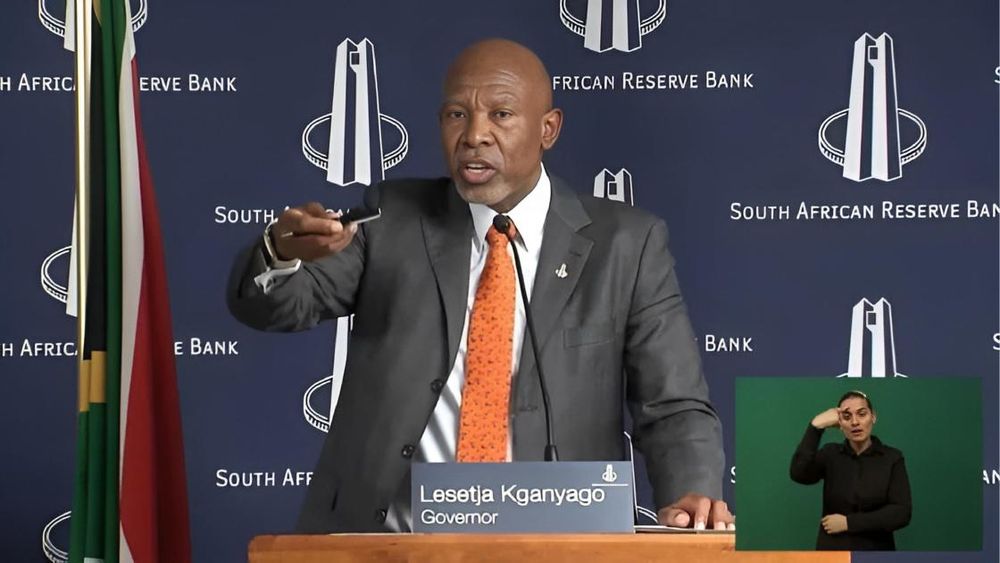
In recent news from the South African Reserve Bank (SARB), the Monetary Policy Committee (MPC) made a significant decision to maintain the prime lending rate at 10.5%. This move, albeit expected by some, underscores the delicate balance that the SARB must navigate as it seeks to manage inflation while fostering economic growth. As market participants and the general public digest this development, it’s essential to unpack the implications of this decision and what it means for borrowers, investors, and the broader economy.
The decision to keep interest rates steady is pivotal at a time when economic indicators are sending mixed signals. The MPC’s choice to maintain the current rate reflects a cautious approach towards managing inflation, which continues to hover above the SARB’s target of 3%. The committee’s deliberations were marked by a split vote of four to two, indicating divergent views among members about the necessity of adjusting rates in response to prevailing economic conditions. Governor Lesetja Kganyago emphasized that the committee’s current stance is deemed suitable for the time being, and future decisions will be made with a focus on the evolving economic landscape.
The backdrop to this decision is a complex interplay of factors influencing South Africa’s economic environment. Despite a slight improvement in the inflation outlook since the last meeting in May, the SARB has not shied away from acknowledging the persistent risks that could push inflation higher. The ongoing volatility in fuel prices, exacerbated by geopolitical tensions, poses a significant threat to the inflation trajectory. Moreover, the SARB highlighted that inflation expectations among various economic stakeholders have risen, reflecting a growing concern over sustained price increases.
Key takeaways from the SARB’s recent announcement reveal several critical insights. First, while the central bank has indicated a preference for stability in interest rates, it remains vigilant about potential upward pressures on inflation. The MPC is closely monitoring economic indicators and is prepared to adjust its stance accordingly, whether that means increasing rates or potentially easing them sooner than anticipated. The decision to keep rates unchanged suggests a prioritization of economic growth amidst rising inflation concerns, a sentiment echoed by economists following the announcement.
For traders and investors, this balancing act presents both challenges and opportunities. The fixed-income market, in particular, is likely to experience heightened volatility as market participants react to the SARB’s messaging. As Kristof Kruger, an expert in fixed income trading, pointed out, the decision to forgo a rate hike in the face of rising inflation reflects a strategic choice to prioritize economic growth over inflationary orthodoxy. This could signal to investors that the SARB is keenly aware of the broader economic context and the potential ramifications of its decisions on consumer and business activity.
Moreover, the SARB’s approach raises important considerations for those involved in sectors sensitive to interest rates. Borrowers may find some respite in the unchanged prime lending rate, as it allows for more predictable borrowing costs in the near term. However, the landscape remains fluid, and individuals and businesses alike must remain alert to shifts in monetary policy that could impact their financial planning.
In conclusion, the South African Reserve Bank’s decision to maintain the prime lending rate at 10.5% highlights the careful balancing act required in today’s economic climate. With inflationary pressures still in play and economic growth showing signs of weakness, the SARB’s approach reflects a measured response intended to stabilize the economy while keeping an eye on inflation targets. For investors and consumers alike, this situation underscores the importance of staying informed and adaptable as the SARB continues to navigate these complex economic waters. As we look ahead, the evolving landscape will require keen observation and strategic thinking from all stakeholders involved in South Africa’s economic future.