
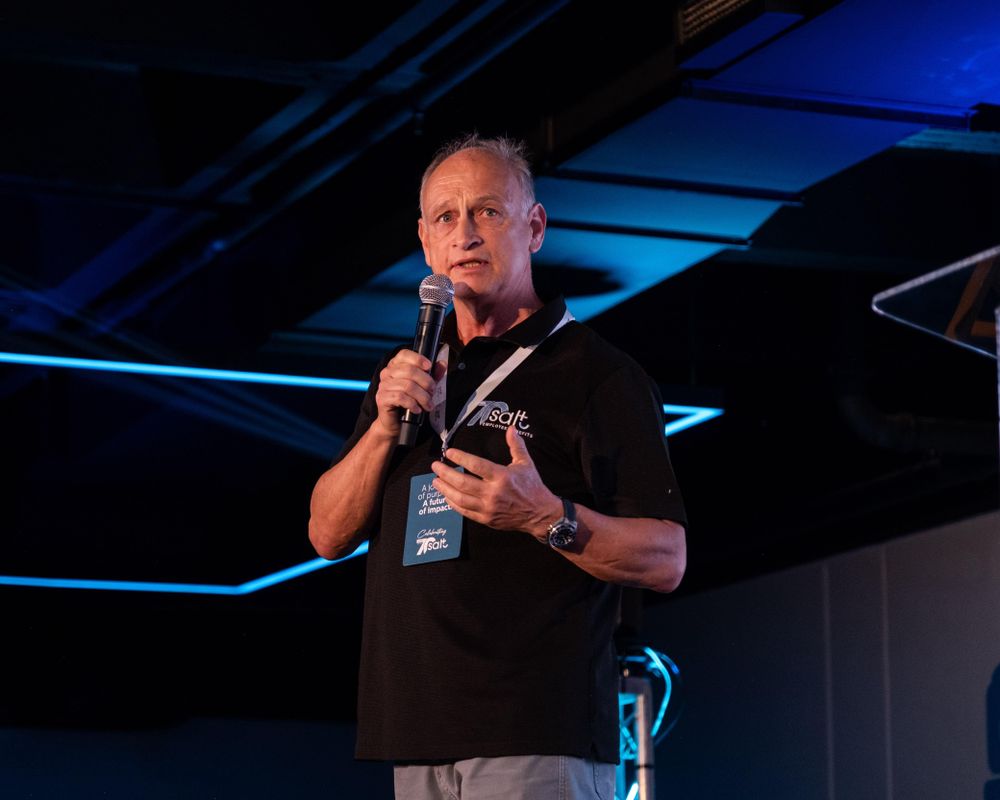
The landscape of employee benefits in South Africa is on the verge of a significant transformation, as highlighted during the recent 70th anniversary celebration of Salt Employee Benefits. At this pivotal event, the chairman, Eddie Strydom, underscored the urgent need for fundamental reforms within the employee benefits sector to enhance retirement outcomes for individuals. As compliance burdens and administrative complexities continue to escalate, it has become increasingly clear that the current system is not adequately addressing the needs of its members. This blog post delves into the pressing issues surrounding employee benefits in South Africa and examines potential pathways for reform.
Eddie Strydom’s reflections during the anniversary event serve as a wake-up call for the industry. He articulated a critical observation: while the employee benefits sector has undergone some evolution, it has simultaneously become ensnared in a web of red tape, compliance mandates, and administrative challenges. These factors detract from the primary goal of ensuring better retirement outcomes for employees. “If you don’t get to the root cause of the problem, you can do a hundred different things, but you still won’t solve it,” Strydom stated, emphasizing the importance of identifying and addressing the core issues plaguing the industry.
One of the central themes of the discussions was the importance of member representation within retirement fund boards. Strydom advocates for stronger representation through elected trustees, arguing that these representatives must be well-equipped with the necessary training to fulfill their roles effectively. This perspective echoes sentiments expressed by Jan Mahlangu, a representative from the Congress of South African Trade Unions (Cosatu), who called for at least 50% of trustees to be member representatives. Strydom supports this initiative but points out that appointing individuals without proper training risks setting them up for failure. “You have to make sure they are properly prepared. Otherwise, you’re setting people up to fail,” he cautioned, highlighting a critical gap in the current system.
The Salt Employee Benefits anniversary event also brought together a diverse group of industry leaders, trustees, labor representatives, and governance experts to discuss the future of employee benefits and retirement fund governance. This dialogue is essential, as it lays the groundwork for collaborative efforts aimed at reform. Strydom’s vision for the company has always centered around serving populations that have historically been overlooked by the financial services industry. His journey into the world of employee benefits began with his acquisition of Salt in 2010, driven by a desire to provide meaningful services to those in need.
The challenges within the employee benefits sector are multifaceted. Compliance requirements, while necessary for protecting members, have become burdensome. The current framework often prioritizes adherence to regulations over the actual needs of members, which can lead to suboptimal retirement outcomes. “We don’t do anything if it’s not in the best interests of the member. We’d rather walk away,” Strydom remarked, underscoring the need for a member-centric approach in every aspect of the industry.
Key takeaways from this discussion revolve around the necessity for structural reform in the employee benefits industry. Firstly, addressing the root causes of inefficiencies and compliance burdens is paramount. Secondly, empowering member representatives with training and resources is essential for effective governance. Lastly, fostering collaboration among industry stakeholders can lead to innovative solutions that prioritize the welfare of members.
For traders and investors, the implications of these discussions are significant. A more robust employee benefits framework could lead to improved investor confidence in the market, as well-structured retirement funds are likely to attract more participants. Additionally, companies that prioritize employee benefits may enhance their overall attractiveness to potential employees, thereby improving their talent acquisition and retention strategies.
In conclusion, the call for reform within South Africa’s employee benefits industry is both timely and necessary. As Eddie Strydom and other industry leaders emphasize, meaningful change will require a concerted effort to address structural issues, empower member representation, and streamline compliance processes. By prioritizing the needs of members and fostering a collaborative approach, the industry can pave the way for improved retirement outcomes that benefit all stakeholders involved. The journey towards reform is just beginning, but with the right focus and dedication, the future of employee benefits in South Africa can be transformed for the better.