
In a climate of rising inflation characterized by unforeseen spikes in consumer prices, the South African Reserve Bank (SARB) has taken decisive action to manage economic stability. The recent decision by the Monetary Policy Committee (MPC) to maintain the repo rate at 10.5% sheds light on the challenges faced by policymakers amid shifting economic conditions influenced by both domestic factors and international conflicts. This blog post delves into the implications of the SARB’s latest actions, the driving forces behind inflation, and what investors and traders should consider going forward.
The South African economy is currently grappling with a complex inflationary environment, which was underscored by the latest consumer inflation figures. In June, inflation rose to 5% year-on-year, surpassing the previous month’s 4.5% and exceeding market expectations. This uptick can be largely attributed to skyrocketing transport costs, which have been driven by increasing fuel prices linked to ongoing tensions in the Middle East. These developments have pushed inflation beyond the SARB’s target range of 3%—with a permissible band of one percentage point on either side—prompting a reevaluation of monetary policy.
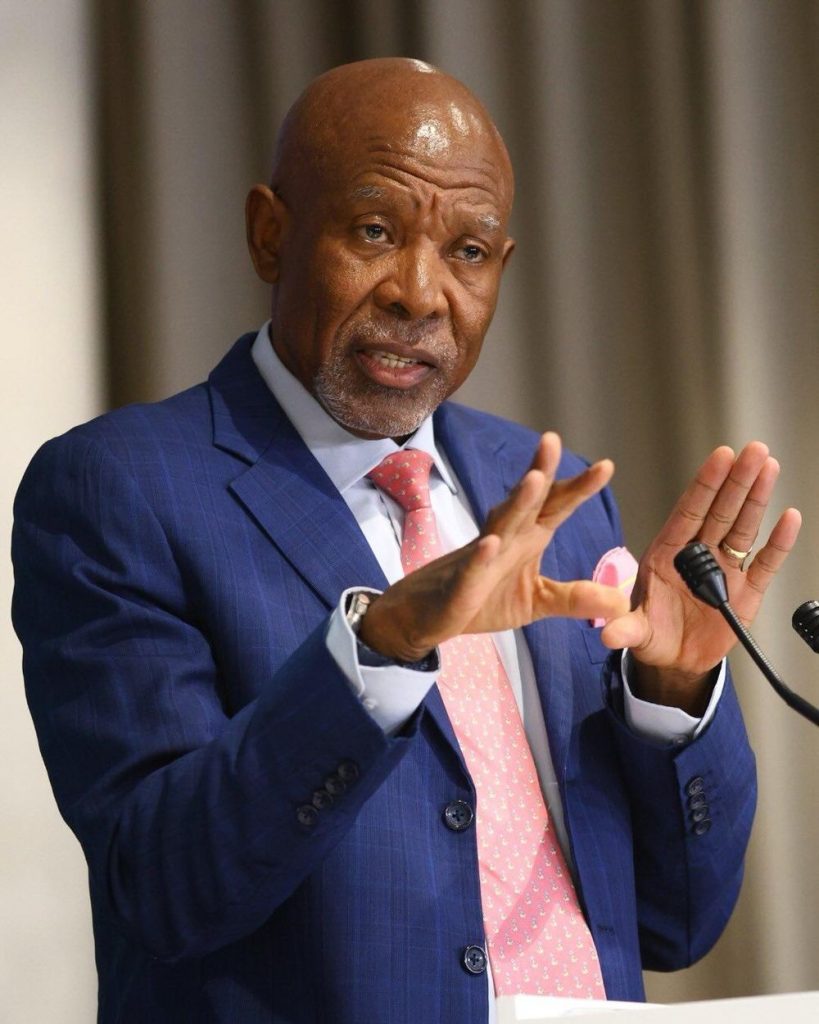
Governor Lesetja Kganyago of the SARB emphasized that while inflation is expected to rise, economic growth is projected to slow. This creates a precarious balancing act for the central bank, as it must navigate the dual objectives of controlling inflation and fostering economic growth. The latest inflation data left economists divided in their predictions about the future trajectory of interest rates, with some advocating for further hikes to curb rising inflation expectations, while others suggested that a pause might be prudent given the lack of widespread second-round effects.
Key points from the recent MPC meeting highlight the complexities surrounding monetary policy. Notably, Standard Bank Group’s Dr. Elna Moolman pointed out that the surge in inflation is predominantly linked to external factors, particularly the conflict in the Middle East, which has significantly impacted fuel prices and, by extension, public transport costs. The SARB finds itself among a select group of central banks that have proactively tightened monetary policy in response to these developments. Should the MPC opt for additional rate hikes, Moolman suggests that this may signal the conclusion of the current tightening cycle, with potential for rate reductions once oil prices stabilize.
In contrast, other economists, such as Investec’s chief economist Annabel Bishop, also anticipate a possible 25 basis point increase in interest rates, underscoring concerns related to entrenched inflationary pressures. Bishop notes that policymakers are likely to remain vigilant in managing inflation expectations, especially after discussions of a more substantial 50 basis point increase during their previous meeting in May. The prospect of a 50 basis point hike remains a risk if the SARB deems that inflationary pressures are becoming more persistent.
On the other hand, PSG’s chief economist Johann Els remains cautious, believing that the MPC may choose to keep interest rates unchanged despite the recent inflation uptick. His perspective suggests that the June inflation figures may not significantly sway the MPC’s considerations, as many of the underlying factors driving inflation are temporary and may not warrant drastic changes in policy.
For traders and investors, the current inflation scenario presents both challenges and opportunities. Those involved in the South African financial markets should closely monitor the evolving geopolitical landscape, particularly events that could influence global oil prices. Fluctuations in fuel costs can have ripple effects throughout the economy, impacting everything from transport costs to consumer spending patterns.
Moreover, keeping an eye on the SARB’s future policy decisions is crucial, as any shifts in interest rates can significantly affect asset valuations and investment strategies. With the central bank’s commitment to anchoring inflation expectations, a proactive approach to portfolio management is advisable. This could involve diversifying investments to hedge against potential inflation risks or adjusting asset allocations in response to anticipated changes in monetary policy.
In conclusion, the South African Reserve Bank’s recent decision to maintain the repo rate at 10.5% illustrates the delicate balance faced by policymakers in an inflationary environment complicated by external factors. As the economy navigates these turbulent waters, both traders and investors must remain vigilant and adaptable, closely following inflation trends and central bank signals. The ability to respond swiftly to changing economic conditions will be key to capitalizing on opportunities while mitigating risks in this dynamic landscape.