
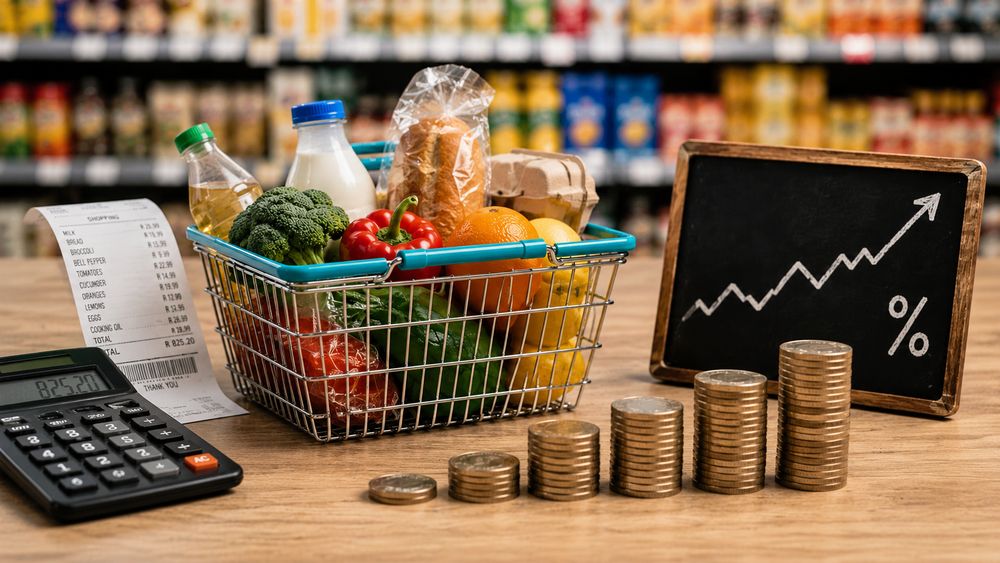
In June 2023, South Africa witnessed an unexpected rise in consumer inflation, marking a significant shift in the country’s economic landscape. While economists had anticipated a slight uptick based on rising fuel prices, the reality proved to be more pronounced, with inflation climbing to 5%—a level not seen since June 2024. The implications of this increase extend beyond mere statistics; they provide crucial insights for investors and consumers alike, as they navigate the complexities of the South African economy.
The recent inflationary spike was largely driven by soaring transport costs, which became the primary contributor to the overall inflation rate. According to Statistics South Africa, consumer prices surged by 0.7% month-on-month, reflecting steep increases in several key areas such as transport, housing, utilities, and financial services. Specifically, transport inflation rocketed to 12.7%, while the costs associated with housing and utilities rose by 5.5%. Additionally, insurance and financial services saw a notable increase of 5.9%. These figures paint a vivid picture of rising living costs, which are felt acutely by South African households.
While transport costs dominated the narrative, food inflation remained relatively stable. The annual inflation rate for food and non-alcoholic beverages registered at just 1.6%. Interestingly, certain food products, such as cereals, experienced deflation—dropping by 1.5%. However, contrasting this trend, meat prices surged by 5.1%, alongside significant increases in electricity, gas, and other fuel costs, which rose by 9.9%. This mixed bag of food price changes suggests that while some categories are becoming more affordable, others are exerting upward pressure on overall living expenses.
Economists had forecasted a rise in inflation for June, predicting levels between 4.7% and 4.8% primarily due to the anticipated increase in fuel prices. Despite the sharp rise in consumer prices, many experts believe that this uptick in inflation may be temporary rather than the beginning of a long-term trend. PSG chief economist Johann Els predicted that the inflation rate would peak at around 4.8% in June, driven largely by higher petrol prices. However, he also emphasized that the significant fuel price reductions expected in July could bring inflation down to between 4.2% and 4.3% in the following months.
The fluctuation in oil prices adds another layer of complexity to the inflation discussion. While oil prices reached around $100 a barrel during the second quarter, they subsequently decreased to approximately $74 a barrel. This drop is crucial for alleviating pressure on household budgets. However, the situation remains precarious, as recent geopolitical tensions in the Middle East have led to a rebound in oil prices, which have again climbed above $85 a barrel. For investors, this volatility underscores the need for vigilance in monitoring global oil markets, as they play a critical role in shaping inflationary trends.
From an investment perspective, the recent inflation data provides several key takeaways. First and foremost, the rising cost of living may prompt the South African Reserve Bank to adjust its monetary policy in response to changing inflation dynamics. Investors should remain attuned to potential interest rate adjustments that could impact borrowing costs and investment returns.
Furthermore, sectors that are sensitive to inflation—such as real estate, utilities, and consumer goods—may experience varying levels of pressure as costs rise. Investors should consider diversifying their portfolios to hedge against inflationary risks while also identifying sectors that may benefit from higher prices, such as commodities and energy.
In conclusion, the unexpected rise in South African inflation in June serves as a crucial reminder of the complexities inherent in the economy. While some price increases may be temporary, the broader implications for consumer behavior and investment strategies are significant. As inflation continues to fluctuate, both consumers and investors must remain vigilant, adapting their strategies to navigate the evolving economic landscape effectively. Understanding these dynamics will not only help manage current financial challenges but also position stakeholders for future opportunities in an ever-changing market.