
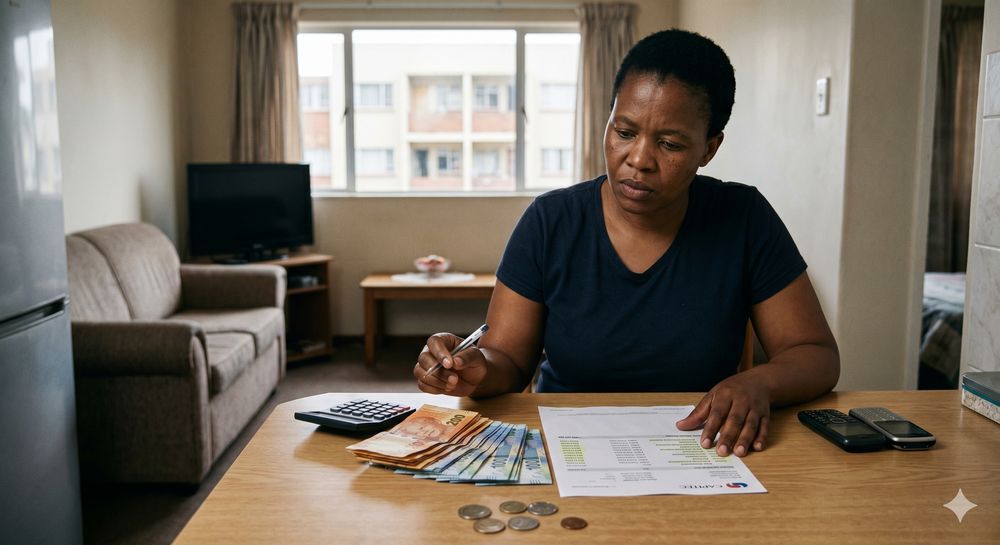
As July rolls around, South Africa observes National Savings Month, a time dedicated to reflecting on the importance of financial health and the act of saving. However, for many South Africans, the concept of setting aside money for future needs has transformed into a distant dream, often perceived as an unattainable luxury rather than a feasible goal. The financial landscape in the country is becoming increasingly complex, with households grappling with the strains of a high-cost environment. This blog post delves into the challenges faced by individuals and families in their saving endeavors and offers practical strategies to build financial resilience.
The harsh reality for many South African households is that the act of saving is often overshadowed by the pressing need to meet monthly expenses. While one might assume that a lack of discipline is the primary reason for insufficient savings, the truth lies in the mounting financial pressures that people face daily. With essentials such as food, fuel, and electricity steadily rising in price, individuals are frequently forced to make tough choices about where to allocate their limited resources. Consequently, the aspiration to save can easily slip through the cracks when the immediacy of covering basic needs takes precedence.
Recent findings from TransUnion’s Consumer Pulse Report highlight that inflation remains the foremost financial concern for a staggering 79% of South Africans. This statistic underscores the weight of the economic challenges residents are currently enduring. With approximately four in ten consumers bracing themselves to potentially miss a bill or loan payment in the upcoming months, it is evident that many households are operating without any financial cushion. Even when salaries see an uptick, these increases are often quickly consumed by the relentless rise in living costs. Essential expenditures, including bond repayments, utilities, medical bills, insurance, fuel, and groceries, are increasingly taking up a larger portion of household budgets.
The data from the South African Reserve Bank paints a concerning picture: many households are spending beyond their earnings, a trend exacerbated by escalating costs and mounting debt. In some instances, individuals are resorting to credit and depleting their savings just to navigate daily life, indicating a lack of financial stability. This alarming scenario serves as a crucial reminder of the importance of maintaining financial buffers. When unexpected expenses arise—be it a car repair or an unforeseen medical bill—those without savings can find themselves in a precarious situation, potentially leading to debt.
Amidst these challenges, National Savings Month presents an opportunity to rethink our approach to financial security. When the topic of saving arises, the focus often shifts towards long-term goals like retirement or major investments. However, prioritizing financial resilience should take precedence. Establishing an emergency fund can be one of the most impactful savings strategies a household can implement. An emergency fund acts as a financial safety net, providing peace of mind and stability during turbulent times.
Many individuals mistakenly believe that they must wait until they have a substantial amount of disposable income before they can start saving. This misconception can lead to inaction and missed opportunities. In reality, the key to successful saving lies in consistency rather than the amount saved at any given time. Even modest monthly contributions can help cultivate healthy financial habits and can accumulate significantly over time.
It is also vital to recognize the value of time when it comes to saving. While individuals often focus on the immediate dollar amount being saved, the timing of those savings plays a crucial role in their growth. The earlier one begins to save, the more time they have for their funds to grow, thanks to the power of compound interest. Hence, starting small but committing to regular savings can yield substantial benefits in the long run.
In conclusion, as we commemorate National Savings Month, it is essential to acknowledge the financial hardships that many South Africans are experiencing. The pressures of rising living costs can make saving appear daunting; however, by prioritizing financial resilience, setting achievable savings goals, and cultivating good financial habits, individuals can take significant steps towards achieving stability. Whether it’s starting an emergency fund or making small, consistent contributions, every effort counts. The journey to financial security may be challenging, but it is not impossible. Taking proactive steps today can pave the way for a more secure and financially sound tomorrow.