
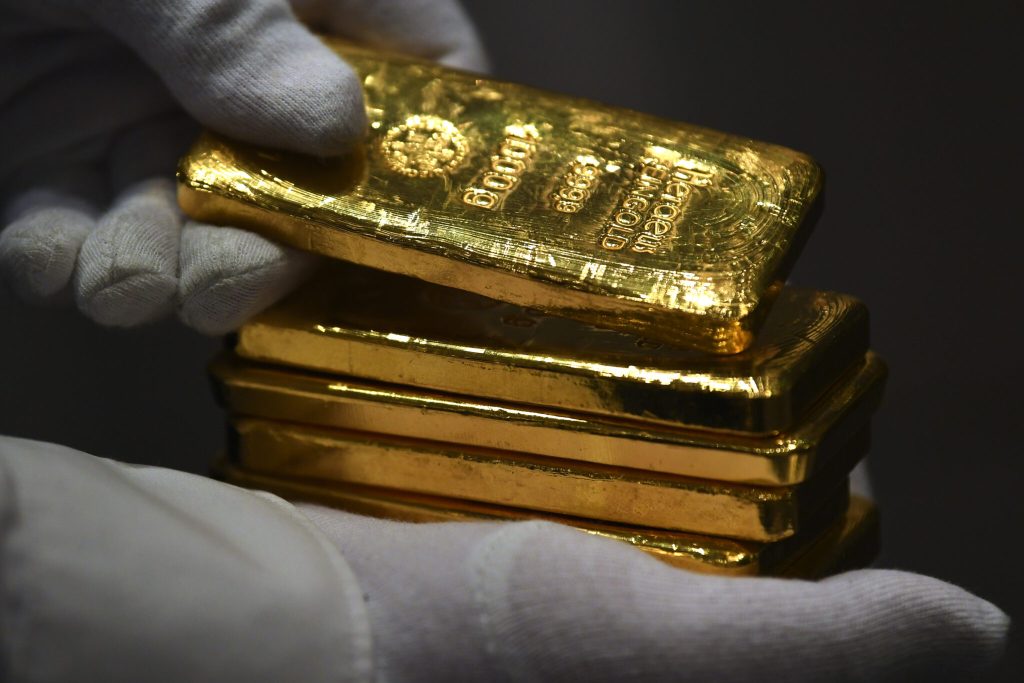
Recent developments in the financial markets have brought gold back into the spotlight, as investors closely monitor shifts in economic indicators and central bank policies. Specifically, gold prices have oscillated around the $4,400 per ounce mark, reflecting a broader sentiment of cautious optimism. This fluctuation follows a recent U.S. inflation report that has eased fears of immediate interest rate hikes by the Federal Reserve, providing a temporary lifeline for the precious metal.
As traders navigate the complexities of the market, it’s essential to understand the underlying factors influencing gold’s trajectory. The latest inflation data suggested that the inflationary pressures that had been gripping the market—particularly those stemming from energy prices due to geopolitical tensions—are showing signs of moderation. In this context, Christopher Wong, a strategist at Oversea-Chinese Banking Corp., highlighted that gold appears to be regaining its footing. He emphasized that should upcoming economic indicators continue to reflect subdued growth and inflation, gold could potentially see an upward trend, although some volatility is expected along the way.
The interplay between interest rates and gold is a critical aspect of this narrative. Typically, when interest rates rise, the appeal of non-yielding assets like gold diminishes as investors gravitate toward interest-bearing investments. However, the current economic climate suggests that the Fed may adopt a more cautious approach, particularly in light of the latest inflation figures. As the central bank gears up for its next meeting, all eyes will be on additional reports related to employment and inflation that will be released in the interim. This data will be instrumental in shaping market expectations regarding future monetary policy.
Another significant factor influencing gold prices is the ongoing geopolitical tensions in the Middle East. The conflict has historically led to spikes in energy prices, which in turn impact inflation and market stability. While the recent inflation data points toward a softening of these pressures, any resurgence in conflict could quickly reverse this trend. Traders are closely monitoring efforts by the U.S. and Iran to navigate the complexities of the situation, particularly regarding the reopening of critical shipping routes like the Strait of Hormuz.
In addition to geopolitical factors, there is also a notable increase in demand for gold from central banks, particularly in China. This renewed interest has contributed to gold surpassing the crucial $4,000-per-ounce support level in recent weeks. Factors like these indicate that investor sentiment around gold is gradually shifting, and the metal’s recent performance—crossing its 100-day moving average for the first time since April—suggests a strengthening position in the market.
Key Points to Consider:
1. **Interest Rates and Gold Correlation**: The relationship between gold prices and interest rates is crucial. Lower interest rates typically bolster gold prices, while expectations of rate hikes can pressure them downward.
2. **Geopolitical Risks**: The Middle East conflict continues to be a significant factor in pricing dynamics. Any escalation could lead to renewed inflationary pressures, impacting gold’s attractiveness as a safe haven.
3. **Central Bank Purchases**: Increased demand for gold from central banks, particularly from nations like China, is helping to support and potentially drive up prices.
4. **Investor Sentiment**: Recent trends indicate a shift in investor sentiment toward gold, as evidenced by its performance in the market and technical indicators like moving averages.
For traders and investors, the current environment presents both challenges and opportunities. As the Fed prepares for its next meeting, and with critical economic data on the horizon, it’s essential to remain vigilant. The potential for volatility remains, especially if yields or the dollar experience a rebound.
In conclusion, gold’s recent performance underscores the intricate balance between economic data, central bank actions, and geopolitical developments. As investors navigate this landscape, staying informed and adaptable will be key to making sound investment decisions. The interplay of these factors will likely shape the future of gold prices in the coming weeks, making it a focal point for market watchers and traders alike.