
In a country grappling with high unemployment rates, the eThekwini Metro has emerged as a surprising leader in the quest for job creation and economic stability. Recent data released by Statistics South Africa has highlighted a significant drop in unemployment rates in the region, sparking hope and optimism among investors, residents, and local officials. With the latest figures showing eThekwini’s unemployment rate at 21.2% for the second quarter of the year, lower than both Cape Town and the national average, it’s crucial to explore what factors have led to this positive shift and what it means for the broader South African economy.
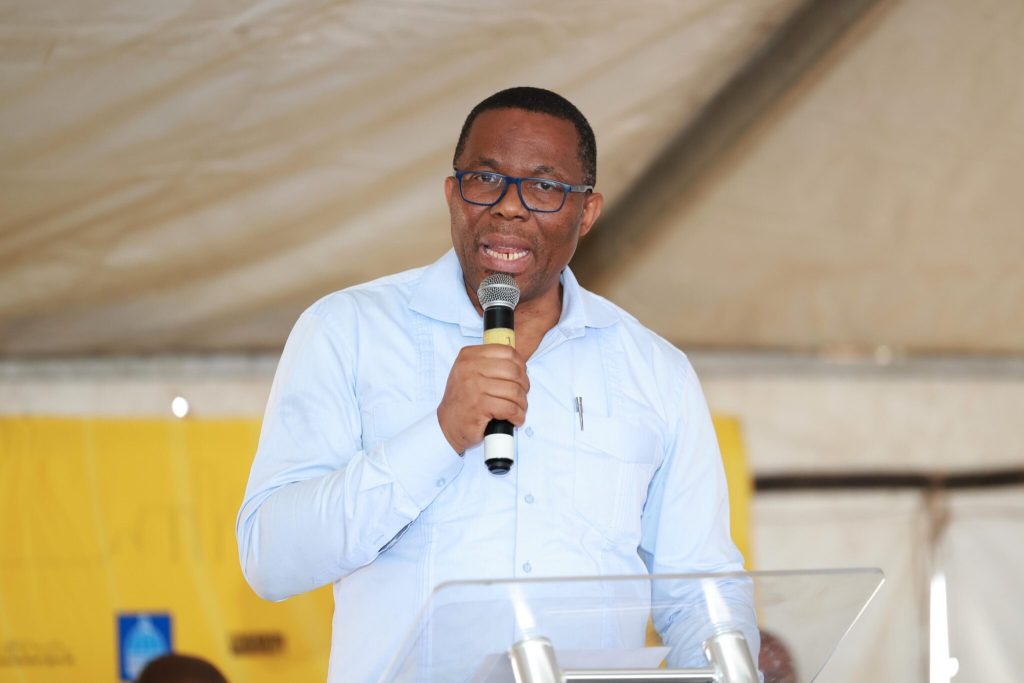
The eThekwini region, which includes the bustling city of Durban, has long been a focal point for investment and economic development. According to Mayor Cyril Xaba, the efforts to stabilize the investment environment in greater Durban are starting to yield results. The sharp decline in unemployment from 26.8% in the same quarter last year is not just a statistical anomaly; it reflects a concerted strategy to enhance infrastructure, encourage industrial growth, and support the tourism sector.
One of the critical insights from the latest employment survey is the increase in the number of employed residents, which has risen to over 1.2 million, marking a gain of 90,000 jobs compared to the previous year. This growth is particularly notable against the backdrop of a national unemployment rate that has surged to a four-year high of 33.6%. The stark contrast emphasizes not only the localized success of eThekwini but also the challenges that the rest of the country faces.
Key to understanding eThekwini’s success is the focus on improving the fundamentals of the economy. The municipality has invested significantly in infrastructure projects, with nearly R128 million allocated for the rehabilitation of strategic roads within the inner city. This investment is part of a larger Inner-City Regeneration Programme aimed at revitalizing Durban’s urban core, enhancing mobility, and improving public safety, all of which are crucial for attracting both local and foreign investment.
Moreover, the decline in the expanded measure of labour underutilization—from 44.2% to 40.2%—is indicative of a shifting labor market where fewer individuals are discouraged from seeking employment. This change not only underscores the positive trajectory of job creation but also reflects a growing confidence among residents in their ability to find work.
However, while the statistics paint a promising picture, Mayor Xaba remains realistic about the challenges ahead. Over 340,000 people in eThekwini are still seeking employment, highlighting the need for continued efforts to improve the region’s absorption rate. The municipal government is committed to sustaining the momentum by prioritizing infrastructure investment, nurturing small businesses, and fostering partnerships with the private sector to expand job opportunities.
For traders and investors, eThekwini’s economic resurgence presents both challenges and opportunities. The improving employment landscape could lead to increased consumer spending and economic activity, potentially driving growth in various sectors. However, the broader economic context—marked by rising energy prices due to global conflicts and increased interest rates set by the South African Reserve Bank—remains a critical consideration for those looking to invest in the region.
As we look ahead, the implications of eThekwini’s success are multifaceted. For investors, the city is becoming an attractive destination for investment, especially in infrastructure and urban development projects. For policymakers, the focus on job creation and economic stability serves as a model for other regions grappling with similar challenges.
In conclusion, eThekwini Metro’s recent decline in unemployment rates is a significant achievement in South Africa’s ongoing struggle with joblessness. The concerted efforts by local officials to improve infrastructure, support industries, and enhance the overall investment climate have begun to pay off, providing a glimmer of hope in a challenging economic landscape. While there is still much work to be done, the current trajectory suggests that eThekwini could serve as a beacon of hope for other metros in South Africa, showcasing the potential for sustainable economic growth through strategic investment and community engagement. As we move forward, all eyes will be on eThekwini to see if it can maintain this upward momentum and further reduce unemployment, ultimately contributing to a more robust national economy.