
In the world of luxury goods, change is a constant, and the ability to adapt can mean the difference between success and failure. A decade ago, luxury conglomerate Richemont found itself grappling with a significant decline in demand for luxury watches, compounded by an oversupply of inventory within its wholesale distribution network and the emergence of a burgeoning grey market. Rather than adopt a wait-and-see approach, Richemont’s management made bold and strategic choices that not only addressed immediate issues but also laid the groundwork for long-term success. This blog post delves into how Richemont navigated these turbulent waters and emerged as a leader in the luxury market.
The luxury sector is known for its exclusivity and high margins, but Richemont faced a crisis that threatened both. The company’s decision to take immediate action by repurchasing excess inventory from wholesalers was a pivotal moment. This move was crucial in preserving the brand’s equity and maintaining the allure that luxury brands embody. The management team recognized that the grey market, driven by wholesalers offloading stock at discounted prices, was eroding the exclusivity that luxury consumers seek.
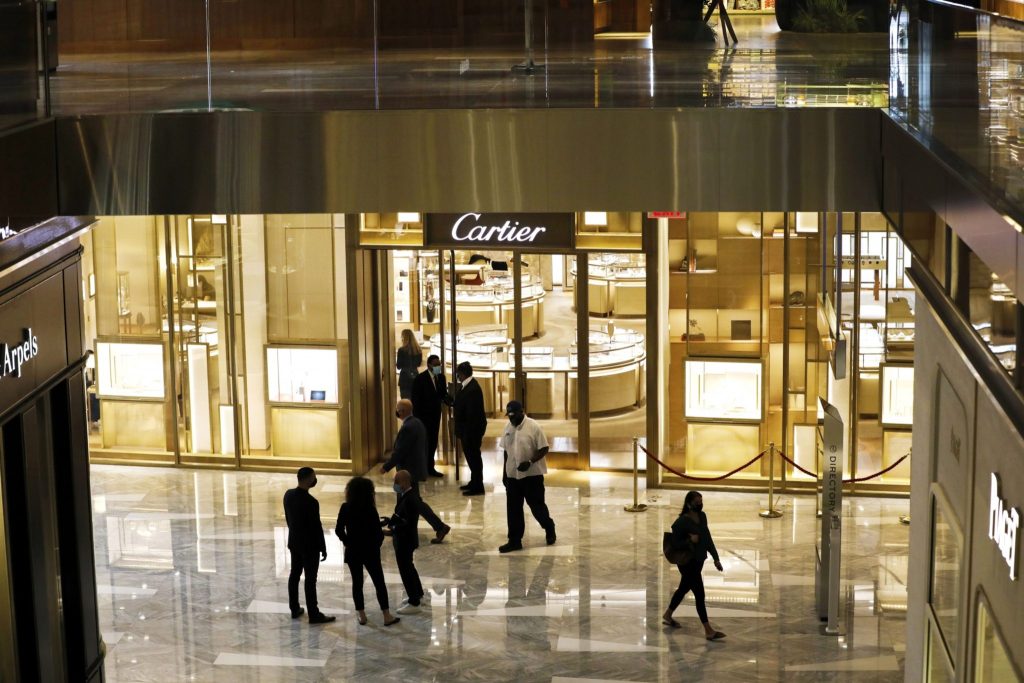
As the company made these urgent decisions, it also set its sights on a more sustainable strategy: reducing reliance on wholesale channels and focusing instead on direct-to-consumer sales. In 2015, Richemont’s sales were nearly evenly divided between wholesale and retail channels. However, as the luxury market contracted, the company took a calculated risk by investing heavily in its own retail network. This included establishing flagship stores in high-profile locations and enhancing its online presence. Despite the significant short-term costs associated with these investments, Richemont has since reaped the rewards, with direct-to-consumer sales rising to a remarkable 77% of total group sales by the 2026 financial year, a substantial increase from just 52% in 2015.
Key points that emerge from Richemont’s transformation include the importance of brand management in maintaining luxury status and the strategic shift towards direct engagement with consumers. By controlling inventory and pricing through owned retail outlets, Richemont has not only preserved its brand integrity but also gained invaluable insights into customer preferences that inform product development and pricing strategies. This direct relationship with consumers fosters loyalty and allows for a tailored shopping experience that resonates with today’s luxury clientele.
In addition to enhancing its distribution strategy, Richemont recognized the need to pivot towards more resilient product categories. While luxury watches traditionally represented a significant portion of the company’s sales, the downturn highlighted jewellery as a more stable segment. Specifically, Cartier, one of Richemont’s flagship brands, demonstrated remarkable resilience during challenging market conditions. Consequently, Richemont made a concerted effort to expand its jewellery maisons through investments in brand desirability, retail locations, and manufacturing capabilities. The result has been striking: jewellery’s contribution to group sales soared from 55% in 2016 to 74% in 2026, while specialist watches fell from 29% to just 14%.
For traders and investors, Richemont’s journey underscores a critical lesson in adaptability and foresight. The luxury goods market is not static; it is influenced by consumer preferences, economic conditions, and global events. Companies that can pivot in response to market shifts, like Richemont, are poised to thrive even amidst adversity. Investors should take note of Richemont’s strategic decisions, as they reflect a broader trend in the luxury sector where brands are increasingly prioritizing direct consumer engagement and diversifying product offerings to mitigate risks associated with market fluctuations.
In conclusion, Richemont’s proactive approach to a challenging luxury landscape serves as a powerful case study in corporate resilience and strategic planning. By taking decisive actions to protect brand equity, reduce dependency on wholesalers, and pivot towards stronger product categories such as jewellery, Richemont has not only weathered the storm but has emerged as a formidable player in the luxury market. As the global luxury sector continues to evolve, companies that embrace change and prioritize direct consumer relationships will likely find themselves on a path to sustained growth and success.