
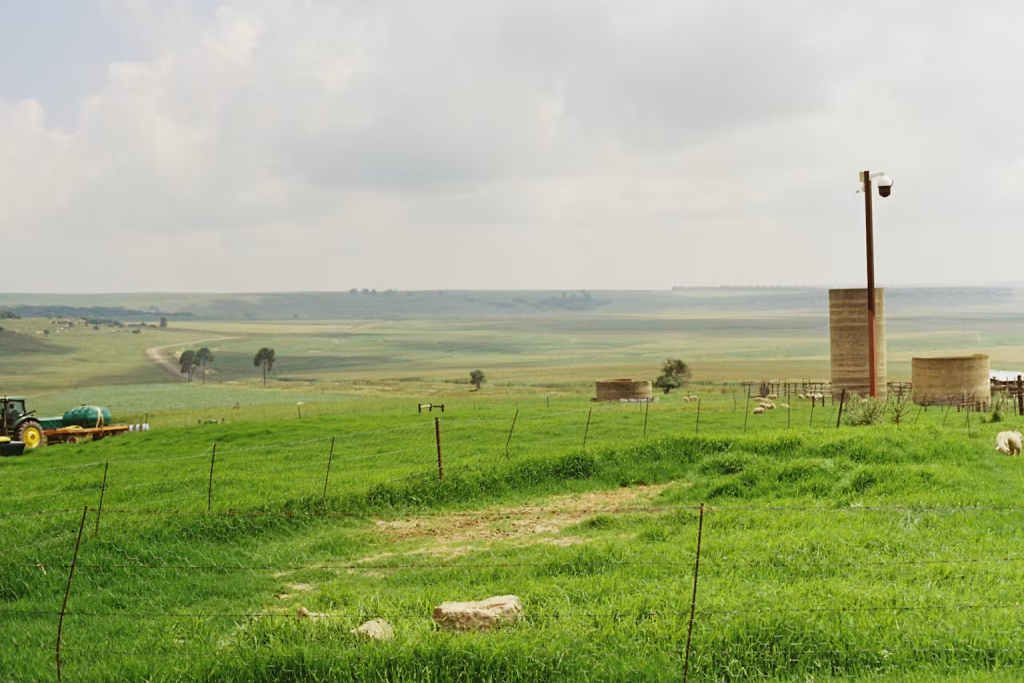
In the heart of Africa lies South Africa, a nation rich in culture and resources yet grappling with a legacy of stark economic inequality. Over three decades after the end of apartheid, the promise of equitable land distribution remains largely unfulfilled. This blog post delves into the complexities of land reform in South Africa, exploring the historical context, current challenges, and potential pathways for future progress.
At the core of South Africa’s ongoing struggle for economic equality is the issue of land ownership. The apartheid system entrenched a racial hierarchy that marginalized the black majority, confining them to ownership of a mere 13% of the country’s land while they represented 80% of the population. After the transition to democracy in the early 1990s, the newly formed government set ambitious goals to redistribute land from white owners to black South Africans. However, despite these intentions, the reality has fallen drastically short, with estimates suggesting that only 12% to 20% of the targeted land has been successfully redistributed.
The government’s initial 1995 plan aimed to transfer 30% of all white-owned land to black farmers through a voluntary and market-based approach. While this strategy allowed white landowners to choose whether to sell their property at market value, it inadvertently created barriers to meaningful change. Many landowners opted not to sell, and the market-driven approach failed to facilitate the necessary transfers on a large scale.
In my recent research as a political scientist, I sought to uncover the underlying reasons for the slow pace of land reform. Through extensive interviews with both white commercial farmers and black emerging farmers, I aimed to understand the motivations and challenges faced by each group in this complex landscape. My findings reveal a multi-faceted scenario influenced by historical legacies and current social dynamics.
One notable observation was the role that existing landowners played in shaping land redistribution. Some white farmers viewed the process as an opportunity to create a buffer zone between their properties and neighboring black communities, while others chose to integrate black farmers into their farming enterprises. These decisions were not merely economic; they were deeply intertwined with the historical context of segregation and the psychological barriers that have persisted since apartheid.
The demand for land reform is equally compelling, driven by the aspirations of landless individuals and communities seeking to reclaim their rights. The pressure for equitable land distribution has been amplified by organized land claims and advocacy from various groups. However, the execution of these demands is often mired in bureaucratic processes and political inertia, further complicating the landscape of land reform.
Key insights from my research underscore the importance of understanding the motivations behind land transfers. Economic incentives to maintain productive farms often clash with the social imperatives of addressing historical injustices. The challenge lies in creating a framework that encourages landowners to engage in the redistribution process while also ensuring that new landholders can thrive in their agricultural endeavors.
For traders and investors looking to navigate this unique environment, there are several takeaways worth considering. First, understanding the socio-political landscape is crucial when assessing investment opportunities in South Africa’s agricultural sector. The complexities of land reform mean that investment strategies should be adaptable and sensitive to ongoing changes in policy and public sentiment.
Additionally, there is potential for innovative approaches to land use that extend beyond traditional farming. Emerging farmers who harness alternative agricultural practices, such as wildlife conservation and ecotourism, may find new avenues for growth and sustainability. As the landscape evolves, investors should remain open to diverse business models that align with the country’s transformation goals.
In conclusion, the journey towards equitable land reform in South Africa is fraught with challenges, but it also presents an opportunity for innovation and growth. As stakeholders navigate this intricate terrain, it is essential to prioritize dialogue, cooperation, and a shared vision of a more just and prosperous future. By addressing the historical inequities that have shaped land ownership and fostering an inclusive environment for emerging farmers, South Africa can move closer to realizing the promise of its democratic transition. The path may be long, but the potential for meaningful change is within reach.