
The City of Johannesburg (CoJ), South Africa’s economic powerhouse, is facing a significant challenge as it grapples with a staggering R7 billion debt owed to Eskom, the national power utility. This financial burden has led to heightened discussions around potential power outages and the ongoing negotiations aimed at averting such a scenario. The situation underscores the complexities of managing municipal debt and the critical need for effective communication and strategy between the city and the utility provider.
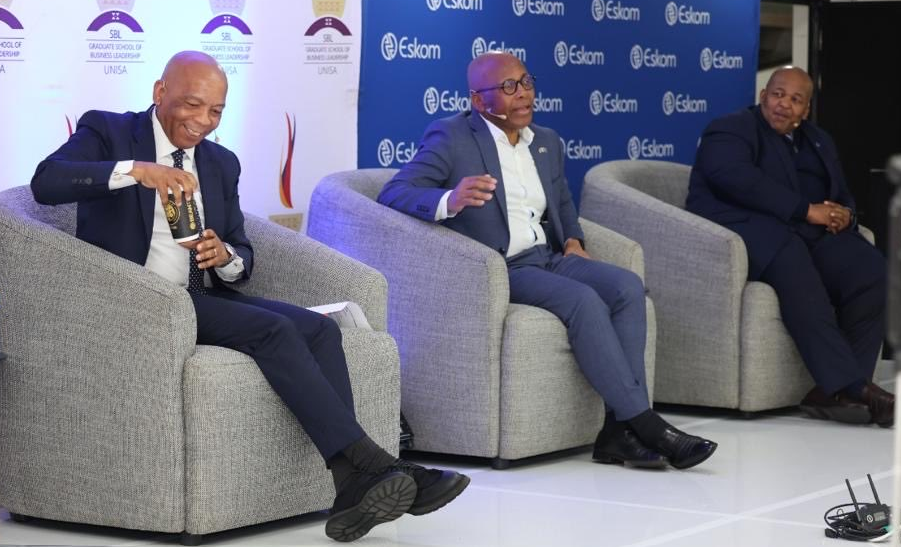
Minister of Electricity and Energy, Kgosientsho Ramokgopa, recently addressed the pressing issue in a roundtable dialogue with Eskom’s leadership. During this meeting, he confirmed the substantial debt owed by Johannesburg, which combines historical arrears with ongoing account obligations. The city’s struggle to manage this debt has persisted for years, raising concerns about the potential consequences for residents and businesses alike if Eskom decides to take action, including the dreaded power cuts.
Johannesburg’s debt to Eskom is not merely a financial statistic; it represents the challenges faced by urban municipalities in maintaining essential services while adhering to fiscal responsibilities. The implications of this debt extend beyond financial figures, affecting the daily lives of millions who rely on a stable electricity supply for both residential and commercial purposes. Ramokgopa’s plea to Eskom not to cut power to Johannesburg highlights the delicate balance between maintaining operational efficiency for the utility and the socio-economic stability of the city.
One of the key outcomes from the recent discussions is the ongoing negotiations aimed at preventing Eskom from disconnecting services. Earlier this year, Ramokgopa played a crucial role in brokering a temporary agreement that halted Eskom from taking drastic measures against Johannesburg. However, the city’s failure to meet its repayment obligations has reignited concerns, prompting Eskom to initiate the Promotion of Administrative Justice Act (PAJA) process. This legal framework allows for public consultation before any potential service interruptions can occur, raising the stakes for both the city and its residents.
The timeline for resolving this pressing issue has been extended, with Eskom evaluating the city’s compliance with its payment obligations. By August 21, the city was expected to demonstrate its commitment to addressing the historical debt, which amounts to approximately R5 billion. The unfolding situation calls for strategic financial planning and prioritization from Johannesburg’s officials, as failure to meet these obligations could lead to severe consequences for the city’s power supply.
In addition to addressing immediate debt concerns, discussions surrounding the unbundling of Eskom have resurfaced, as the government seeks to optimize the country’s electricity generation and distribution. The proposed restructuring aims to create separate entities for generation, transmission, and distribution, fostering competition and efficiency within the sector. While this initiative has garnered support from President Cyril Ramaphosa, it also raises questions about the operational and financial implications for Eskom and its stakeholders.
Eskom’s leadership has expressed concerns that transferring transmission assets to an independent operator may complicate existing financial agreements and unsettle bondholders. This situation illustrates the interconnectedness of financial decisions and their broader impacts on the electricity market in South Africa. Stakeholders, including investors and municipal leaders, must closely monitor these developments, as they could have significant ramifications for the investment landscape in the energy sector.
For traders and investors, the evolving dynamics surrounding Johannesburg’s electricity debt and Eskom’s restructuring plans present both risks and opportunities. Investors must remain vigilant about the potential for volatility in the energy market, particularly if power supply issues arise. Additionally, there may be opportunities for investment in alternative energy solutions as the government seeks to diversify the electricity generation landscape.
In conclusion, the ongoing negotiations between Johannesburg and Eskom underscore the complexities of managing municipal debt in the face of essential service delivery. As the city navigates its financial obligations, the stakes are high for residents, businesses, and investors alike. The outcomes of these discussions will shape the future of Johannesburg’s electricity supply and the broader energy landscape in South Africa. As the situation unfolds, it is crucial for all stakeholders to engage in proactive dialogue and strategic planning, ensuring a sustainable and reliable electricity supply for the economic heart of the nation.