
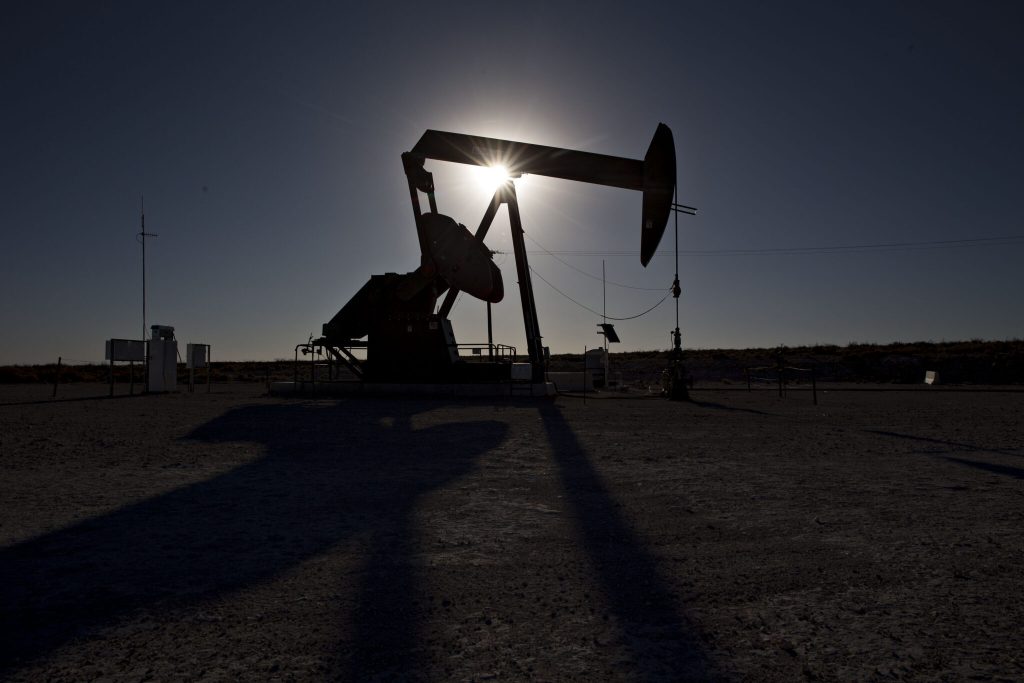
In the ever-evolving landscape of global oil markets, geopolitical tensions often play a pivotal role in shaping prices and influencing investor sentiment. Recently, the oil market experienced a notable uptick, driven largely by heightened concerns surrounding Iran and its critical role in the Strait of Hormuz, a vital shipping route for oil transport. As the U.S. government threatens to impose severe economic measures on Iran, the implications for oil prices and the broader market are profound.
The Strait of Hormuz is not just a geographical marker; it is a crucial artery through which a significant portion of the world’s oil supply travels. The U.S. has signaled its intention to apply unprecedented economic pressure on Iran, with Treasury Secretary Scott Bessent stating that these measures will be unlike anything seen before. The military presence in the region is also being ramped up, with U.S. forces prepared to escort vessels through the strait, a move aimed at ensuring the safe passage of oil tankers amidst rising threats.
Following these developments, Brent crude oil prices approached $88 per barrel, recovering from a previous decline of 2.2%. Similarly, West Texas Intermediate (WTI) hovered near $82, reflecting a general bullish sentiment in the market. The International Energy Agency (IEA) has further complicated the outlook by projecting a significant supply shortfall in the near term, with deficits in 2026 expected to be the largest in five years.
One of the key themes emerging from this situation is the ongoing dialogue between Iran and Oman regarding the reopening of the Strait of Hormuz. Despite initial optimism, negotiations have yet to yield a breakthrough, primarily due to deteriorating relations between Tehran and Washington. President Trump’s stringent demands have added another layer of complexity to these discussions, casting doubt on the potential for a diplomatic resolution.
In the midst of these geopolitical intricacies, energy analysts are grappling with the implications for oil prices. Saul Kavonic, a senior energy analyst at MST Marquee, indicates that oil prices are likely to stabilize within the $80 to $90 range for the foreseeable future. However, he cautions that the market remains vulnerable to fluctuations driven by the unpredictable nature of the ongoing conflict and the volume of oil that can safely exit the region.
Moreover, the situation has been compounded by attacks on oil tankers, with reports emerging that vessels operated by the Abu Dhabi National Oil Company were targeted recently. Such incidents not only pose immediate risks to oil supply but also contribute to a climate of uncertainty that can influence market behavior. As traders and investors assess the risks, many are adopting a cautious approach, with some opting to keep their positions in a wait-and-see mode. Rebecca Babin, a senior energy trader at CIBC Private Wealth Group, notes that this hesitancy has left a lack of underlying support in the market, allowing macroeconomic and systematic flows to dominate price movements.
For investors and traders, this period of volatility presents both challenges and opportunities. The potential for oil prices to spike in response to further escalations in the Middle East conflict could offer lucrative trading opportunities for those willing to navigate the risks. Conversely, the uncertainty surrounding geopolitical developments necessitates a careful and strategic approach to oil investments.
In conclusion, the oil market is currently experiencing significant fluctuations as geopolitical tensions escalate, particularly in relation to Iran and the Strait of Hormuz. As the U.S. government prepares to impose economic measures while enhancing military presence in the region, traders and investors must remain vigilant and adaptable. The interplay of supply, demand, and geopolitical factors will continue to shape the oil landscape, making it imperative for market participants to stay informed and prepared for rapid changes. As we move forward, the outlook for oil prices remains clouded by uncertainty, but one thing is clear: the current geopolitical climate will have lasting implications for the global oil market and beyond.