
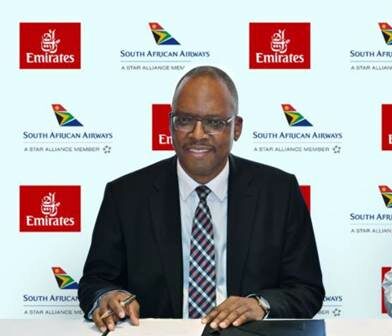
The recent decision by the South African Airways (SAA) board to place Matshela Seshibe, the acting Group CEO, on special leave just four months after his appointment raises significant questions about the airline’s leadership stability and future direction. This swift change in management follows a tumultuous period for SAA, characterized by high-profile resignations and ongoing financial challenges. In this blog post, we will delve deeper into the implications of this leadership shift, the current state of SAA, and what it means for investors and stakeholders in the aviation sector.
The airline industry has been on rocky ground, and South African Airways is no exception. Following the resignation of former CEO Prof. John Lamola and three board members in April, the airline found itself at a crossroads. Seshibe, who previously led SAA’s AirChefs division, took over the reins, but his tenure has been cut short. The SAA board’s announcement of Seshibe’s special leave was succinct but clear, emphasizing the need for governance, accountability, and stability during a critical time.
SAA’s board stated that the decision to place Seshibe on special leave was necessary to uphold the “highest standards of good governance.” This is a commendable stance, considering the airline’s troubled history marked by financial mismanagement, operational inefficiencies, and a reliance on government bailouts. However, the lack of transparency surrounding the reasons for Seshibe’s departure raises concerns among stakeholders, including employees, investors, and customers.
In the wake of Seshibe’s exit, SAA has appointed Koekie Mbeki, the Chief Legal Officer, as the acting Group CEO. Mbeki’s decade-long experience with the airline could prove invaluable as she navigates this challenging period. The board expressed confidence in her ability to provide the necessary leadership and continuity as SAA strives to execute its strategic plan and maintain operational stability. This change offers a glimmer of hope for the airline, but it also underscores the precarious nature of leadership within SAA.
Key takeaways from this situation include the following:
1. **Leadership Instability**: Frequent changes in leadership can hinder an organization’s ability to implement long-term strategies. The quick turnover at SAA emphasizes the need for a stable leadership team to steer the airline through its recovery phase.
2. **Governance and Accountability**: The SAA board’s commitment to governance highlights the importance of holding leaders accountable for their actions. Stakeholders must remain vigilant and demand transparency in decision-making processes.
3. **Strategic Continuity**: Appointing a leader with institutional knowledge, such as Mbeki, can help maintain strategic continuity. Her familiarity with SAA’s operations may facilitate smoother transitions as the airline seeks to regain its footing.
4. **Stakeholder Engagement**: The board’s emphasis on safeguarding the interests of employees, customers, and partners suggests a renewed focus on stakeholder engagement. This approach is crucial for rebuilding trust and ensuring that the airline serves its community effectively.
For traders and investors, the unfolding events at South African Airways present both challenges and opportunities. While the instability in leadership might initially deter potential investors, the commitment to accountability and governance could appeal to those looking for a long-term investment. Investors should closely monitor SAA’s strategic developments, particularly how Mbeki and the board plan to address the airline’s financial challenges and operational inefficiencies.
Additionally, the aviation sector as a whole is undergoing significant transformations, influenced by changing consumer behaviors and the ongoing impacts of the pandemic. Investors should consider how SAA’s strategies align with broader industry trends, such as sustainability initiatives and technological advancements.
In conclusion, the recent leadership changes at South African Airways reflect the complexities and challenges facing the airline as it attempts to navigate a tumultuous environment. While the departure of Matshela Seshibe raises concerns about stability, the appointment of Koekie Mbeki as acting Group CEO may provide the continuity needed to guide the airline toward recovery. As investors and stakeholders, it is essential to remain engaged and informed about SAA’s strategic direction and the broader aviation landscape, as the challenges and opportunities ahead will shape the future of the airline and its impact on the industry.