
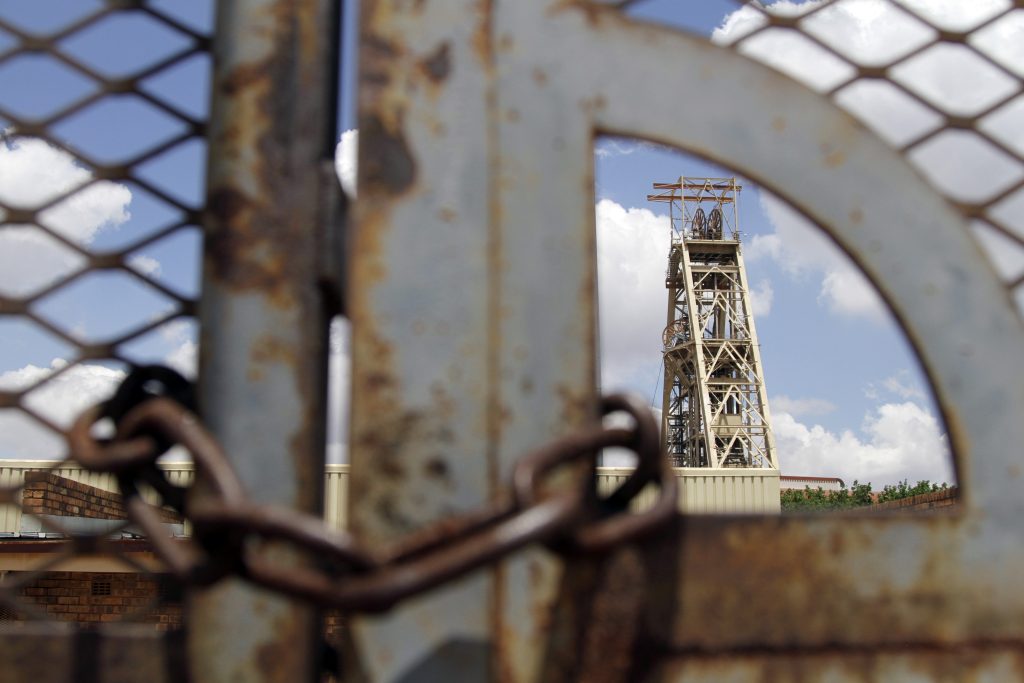
The recent tragic deaths of fourteen suspected illegal miners following a rockfall at a disused mine near Rustenburg have reignited the debate about the safety of abandoned mining sites in South Africa. With eight more individuals hospitalized and fears that others may still be trapped, this incident highlights a pressing issue: the lack of accountability and regulation surrounding these hazardous areas. As the mining industry shifts from traditional underground operations to surface mining due to resource depletion, the question of who is responsible for securing these abandoned sites becomes increasingly urgent.
In South Africa, mining operations are governed by a range of legislative frameworks designed to ensure both environmental safety and social responsibility. The Constitution enshrines the right to a safe and healthy environment, which should compel mining companies to take the necessary steps to safeguard abandoned sites. The Minerals and Petroleum Resources Development Act mandates that companies holding mining rights retain responsibility for environmental management and site rehabilitation. This includes obtaining an official closure certificate when operations cease.
Despite the existence of this legislation, a significant gap remains between the law and its enforcement. The reality is that many mining companies fail to meet their obligations, often leaving abandoned mines vulnerable to exploitation by illegal miners, commonly referred to as “zama zamas.” This lack of oversight puts lives at risk and exacerbates the environmental degradation caused by mining activities.
David van Wyk, a mining analyst and researcher at the Benchmarks Foundation, emphasizes that the regulations are in place but are rarely applied or enforced. He points out that as traditional mining becomes less viable, numerous shafts are closing, leaving behind not only a dangerous environment but also thousands of unemployed workers. Although companies are required to implement social and labor plans that provide skills training for displaced workers, many have not fulfilled these obligations, despite tax deductions for such initiatives. This is a critical shortfall, as it leaves former miners with limited options for alternative employment.
Another layer of complexity is brought by the National Environmental Management Act (NEMA), which imposes a lifetime duty of care on companies for any environmental damage caused. The consequences of mining extend beyond the immediate area; underground operations can compromise water systems and geological stability, potentially leading to seismic events. Rustenburg, with its history of seismic activity, serves as a stark reminder of the broader impacts of mining negligence.
Key takeaways from this tragic incident include the urgent need for more stringent enforcement of existing regulations and a thorough re-evaluation of the responsibilities of mining companies once they cease operations. There is a clear necessity for government agencies to step up and ensure compliance with the law, holding companies accountable for the safety and environmental integrity of abandoned sites.
For traders and investors in the mining sector, this situation serves as a cautionary tale. The risks associated with investing in mining operations that may lack proper oversight or regulatory compliance are significant. Potential investors should conduct thorough due diligence, examining not just the financial health of mining companies but also their adherence to safety and environmental regulations. As public sentiment shifts toward greater environmental responsibility, companies that fail to prioritize these aspects may find themselves facing legal challenges and reputational damage, which could impact their bottom line.
In conclusion, the tragic deaths at the Rustenburg mine underscore a systemic failure in addressing the safety of abandoned mining sites in South Africa. While legislation exists to protect the environment and ensure the welfare of communities affected by mining, the lack of enforcement and accountability remains a considerable obstacle. As the industry evolves, it is imperative for regulators, mining companies, and stakeholders to work collaboratively to secure these hazardous areas and provide adequate support for displaced workers. Only through concerted efforts can we prevent future tragedies and foster a safer mining environment for all.