
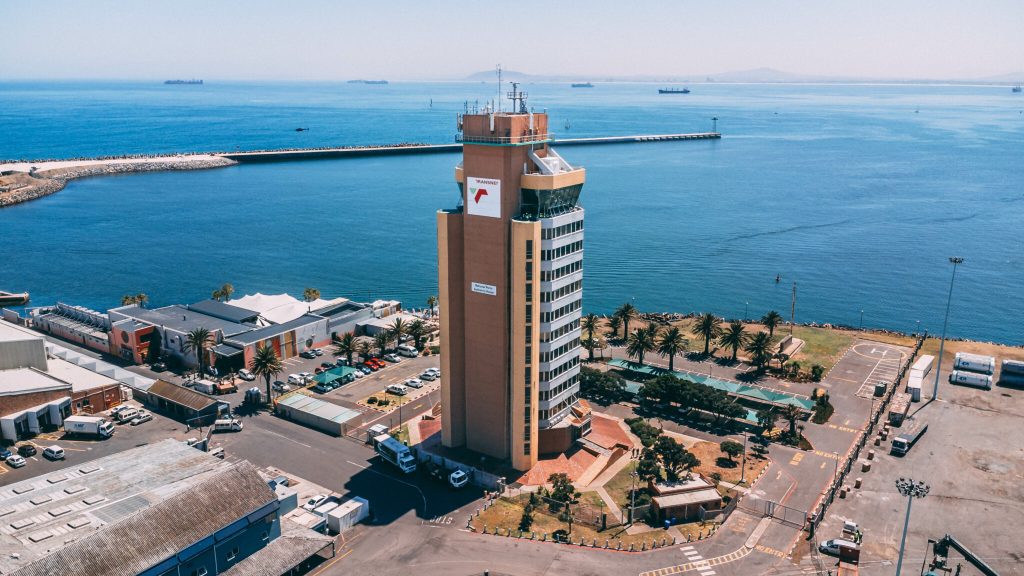
As South Africa braces for its upcoming deciduous fruit export season, a significant shift in operational strategy is underway at the Port of Cape Town. After experiencing substantial setbacks in the previous season due to extreme weather conditions, the Department of Transport, along with state freight utility Transnet, is pivoting from a narrow focus on isolated issues to a comprehensive governance model aimed at enhancing the entire value chain. This proactive approach not only seeks to mitigate potential bottlenecks but also aims to ensure the seamless flow of goods from producers to international markets.
The backdrop for this shift is stark. The previous season was marred by severe weather events, with wind speeds exceeding 100 km/h on 32 different days during November and December. This created significant operational hurdles, disrupting loading schedules and impacting the timely export of fruit. Despite significant investments totaling R2 billion in new port equipment, the core operational challenges remained unaddressed. When favorable weather conditions did arise, the port was unable to capitalize on these brief windows due to insufficient dock labor, leading to missed opportunities and financial losses.
In response to these challenges, Transport Minister Barbara Creecy has outlined a transformative strategy that emphasizes collaborative governance across the supply chain. This approach involves the expansion of port “war rooms” beyond Transnet’s internal operations, integrating private supply chain stakeholders, including producers, freight agents, and shipping lines. By fostering a unified operational framework, the aim is to enhance data visibility and performance management throughout the logistics network.
One of the key operational reforms being implemented involves labor and infrastructure restructuring to maximize throughput during short operational windows. Minister Creecy highlighted the critical need for readiness when weather conditions improve. “The key issue is when the wind stopped. Can you get all hands on deck immediately?” she stated. To address this, Transnet is reorganizing labor schedules to ensure that stevedores remain available during the peak season, preventing the loss of crucial loading time. Furthermore, the port plans to supplement its workforce by bringing in additional stevedores from Durban and Gqeberha, ensuring that operations can resume quickly as soon as weather permits.
The acknowledgment of climate change as a persistent reality is also central to this new strategy. Minister Creecy emphasized the need for operational resilience in the face of unpredictable weather. “We have to develop our operating systems to such a point that we can operate even if there is extreme wind,” she remarked, reinforcing the importance of adaptability in port operations.
Moreover, the establishment of a “port community of practice” has been proposed by private freight agents and shipping lines. This initiative aims to facilitate collaboration among competing commercial entities, moving beyond a singular focus on Transnet assets. A joint operational war room will be created to oversee data sharing and performance tracking across the entire supply chain, allowing for a more integrated approach to logistics management.
As part of this initiative, stakeholders are currently finalizing baseline information-sharing protocols, setting the stage for long-term improvements. There are plans to implement an AI-backed IT system that will enhance communication and operational efficiency, ultimately leading to better decision-making across the value chain.
Key takeaways from this strategic overhaul include the importance of collaborative governance in addressing complex logistical challenges and the necessity for ports to adapt to changing climate conditions. By integrating private sector stakeholders into the operational framework, the Port of Cape Town is poised to not only improve its immediate responsiveness but also to establish a model for future resilience.
For traders and investors, this shift offers valuable insights into the evolving landscape of South Africa’s export capabilities. Understanding the logistics and operational challenges faced by key ports can inform investment decisions related to agricultural exports and supply chain management. As the government and industry stakeholders work together to enhance port efficiency, there may be new opportunities for growth within the logistics and transportation sectors.
In conclusion, the impending deciduous fruit season presents both challenges and opportunities for South Africa’s export landscape. With the implementation of a comprehensive governance model that prioritizes collaboration and operational readiness, the Port of Cape Town is taking significant steps to ensure that it can meet the demands of international markets. This strategic transformation not only aims to prevent export bottlenecks but also positions the port as a leader in adapting to the realities of modern logistics in an ever-changing climate.