
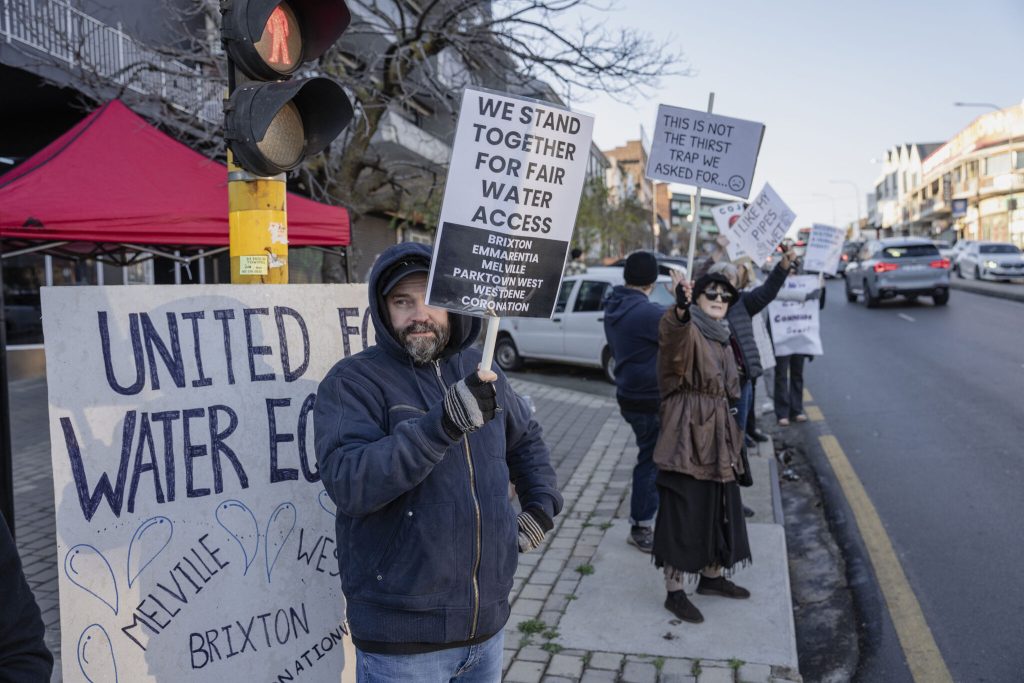
In recent years, the issue of water scarcity has risen to the forefront of public concern in many regions of the world. Johannesburg, South Africa, has become a glaring example of how inadequate water systems can affect daily life and the economy. With residents enduring prolonged periods without water, the situation has become critical, leading to protests and growing discontent among the populace. The ongoing water crisis in Johannesburg reveals not only the immediate impacts on daily living but also sheds light on larger systemic issues that affect the city’s infrastructure and economy.
The water crisis in Johannesburg is not merely a hiccup in service delivery; it represents a fundamental failure of the city’s infrastructure. Many residents in areas serviced by the Commando water system have experienced a staggering 50 days without reliable access to water this year alone. The frustrations voiced by residents like Simon Banda, who lament the daily struggle of carrying heavy water containers in search of a running tap, highlight the human toll of this crisis. Zsofia Borsanyi echoed this sentiment, asserting that access to water should be recognized as a basic human right rather than a privilege.
The Melville Residents Association (MRA) has been vocal about the plight of the community, emphasizing that the inability to access clean water has severely disrupted daily activities such as cooking, cleaning, and maintaining hygiene. The MRA has also pointed out that while residents suffer from these outages, they continue to receive bills reflecting increasing water charges, which adds to their frustration. This paradox of being charged for a service that is frequently unavailable speaks volumes about the disconnect between municipal management and the residents who rely on these essential services.
So, what are the underlying causes of this water crisis? Several factors contribute to the disruption of water supply in Johannesburg. Mechanical failures, electrical issues, illegal connections, and ongoing maintenance all play a role in the frequent outages experienced by residents. Ingrid Bester, from the Water Crisis Committee, highlighted that regardless of the reasons for the interruptions, the end result is a significant lack of water for extended periods, leaving residents in a state of uncertainty.
Johannesburg Water, the entity responsible for managing the city’s water supply, has acknowledged the complexity of the Commando system, describing it as highly sensitive to various disruptions. For instance, a recent power outage at the Delta substation severely hindered recovery efforts at the Crosby Pump Station, further complicating the situation. The city’s response has included plans for long-term upgrades to the water infrastructure, including the construction of a new Crosby Reservoir and a bulk pipeline, as well as necessary repairs to existing reservoirs.
The statistics surrounding Johannesburg’s water supply issues are alarming. According to the Gauteng Water Security Dashboard, the city recorded over 50,000 water pipe leaks within a year—an average of nearly 140 leaks per day. Even more concerning is the report from the Auditor-General, which indicated that Johannesburg lost over 207 billion liters of water during the 2025 financial year alone. This staggering figure translates into a revenue loss of approximately R10.3 billion over four years, raising questions about the effective management of the city’s water resources.
Key takeaways from the ongoing crisis include the urgent need for improved infrastructure investment and maintenance. The financial implications of neglecting water systems are profound, not only impacting residents but also affecting the overall economy of Johannesburg. The city risks losing potential investment and growth opportunities when essential services like water supply are unreliable, leading to broader economic consequences.
For traders and investors, the situation in Johannesburg serves as a critical reminder of the importance of stable infrastructure in supporting economic activity. The ongoing water crisis can deter investment, increase operational costs for businesses, and potentially lead to a decline in property values as residents seek more reliable living conditions elsewhere. Investors should pay close attention to how local governments respond to such crises and how they manage their resources, as these factors can heavily influence market dynamics.
In conclusion, the water crisis in Johannesburg is a multifaceted issue that not only affects the daily lives of residents but also poses significant risks to the city’s economic stability. The frustrations of individuals and communities underscore the urgent need for systemic changes and infrastructure improvements. As Johannesburg navigates these challenges, it serves as a cautionary tale for other cities facing similar water supply issues, emphasizing the necessity of robust management and investment in essential services. Addressing these crises effectively will not only enhance the quality of life for residents but also pave the way for economic growth and development in the long term.