
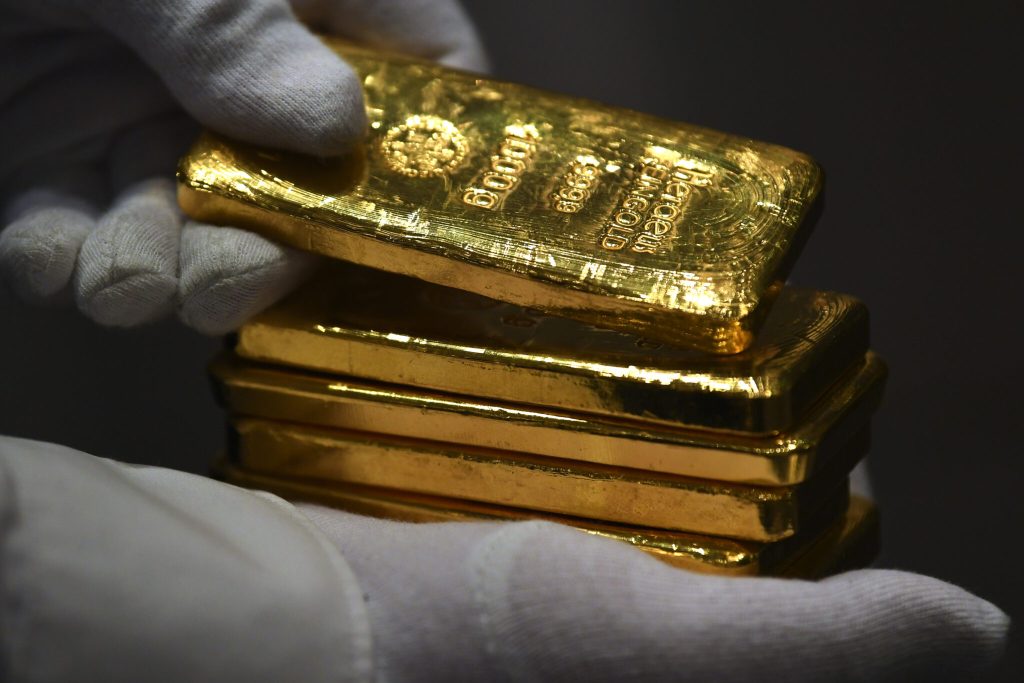
In recent weeks, gold has captured the attention of traders and investors alike as it experiences a notable uptrend, driven by a combination of weakening economic indicators and geopolitical tensions. With the price of gold hovering around $4,400 an ounce, it’s essential to understand the factors contributing to this rise and what it may signal for the future of this precious metal.
The price of gold has been on an upward trajectory, marking a two-week advance that has been largely influenced by a decline in U.S. retail sales data. This downturn in consumer spending has led to a weaker U.S. dollar, making gold more affordable for international buyers. As the dollar depreciates, commodities priced in dollars, such as gold, become cheaper for those holding other currencies, thereby boosting demand.
The latest data from the U.S. painted a concerning picture, revealing dips in both consumer sentiment and retail sales figures. This information has stirred speculation about the Federal Reserve’s next moves regarding interest rates. Typically, rising interest rates create headwinds for non-yielding assets like gold, as they tend to push investors toward interest-bearing investments. However, the current economic indicators suggest that an imminent rate hike may not be on the horizon, easing some concerns and allowing gold to flourish.
As the dollar showed signs of weakness, dropping by 0.2% recently, gold’s allure has intensified. The yield curve, which reflects the difference between long-term and short-term Treasury yields, is also steepening, indicating shifting investor sentiment. However, while gold’s recent rally is encouraging, it is crucial to recognize that the volatility surrounding the global energy supply remains a significant concern. Renewed tensions in the Strait of Hormuz, coupled with potential new sanctions on Iran, continue to pose risks to stability in the region, further complicating the economic landscape.
Investor interest in gold has surged, particularly from central banks, with notable purchases coming from China. The yellow metal’s ability to break above the critical $4,000-an-ounce threshold has sparked renewed enthusiasm, with last week’s gains helping it surpass the 100-day moving average for the first time since April. This technical milestone has set the stage for further potential upside, but analysts caution that gold will need to decisively break the $4,400 mark to confirm a sustained bullish momentum.
Justin Lin, an analyst at Global X ETFs, remarked on the current market dynamics, stating, “The recent bounce, while mostly driven by technical factors, has also priced in most of the positive catalysts from the past week.” He warned that without a clear new catalyst, gold might trade in a relatively flat range. Investors will be closely watching the upcoming minutes from the Federal Reserve’s July policy meeting, which are expected to provide further insights into rate considerations and may impact gold’s trajectory.
For investors looking to capitalize on gold’s movements, understanding the interplay of economic indicators and geopolitical dynamics is critical. Key takeaways from the current situation include the importance of monitoring U.S. economic data, particularly retail sales and consumer sentiment, as these figures significantly influence the Federal Reserve’s monetary policy decisions. Additionally, keeping an eye on global tensions, especially in critical regions like the Strait of Hormuz, can provide insights into potential price fluctuations.
In conclusion, gold’s recent performance underscores its role as a safe-haven asset in times of economic uncertainty. With the U.S. economy showing signs of stress and geopolitical tensions on the rise, gold remains a favored choice for investors seeking stability. As traders navigate this complex landscape, staying informed about both domestic and international developments will be crucial in making wise investment decisions. As always, prudent risk management and a diversified portfolio remain key strategies in the pursuit of financial resilience.