
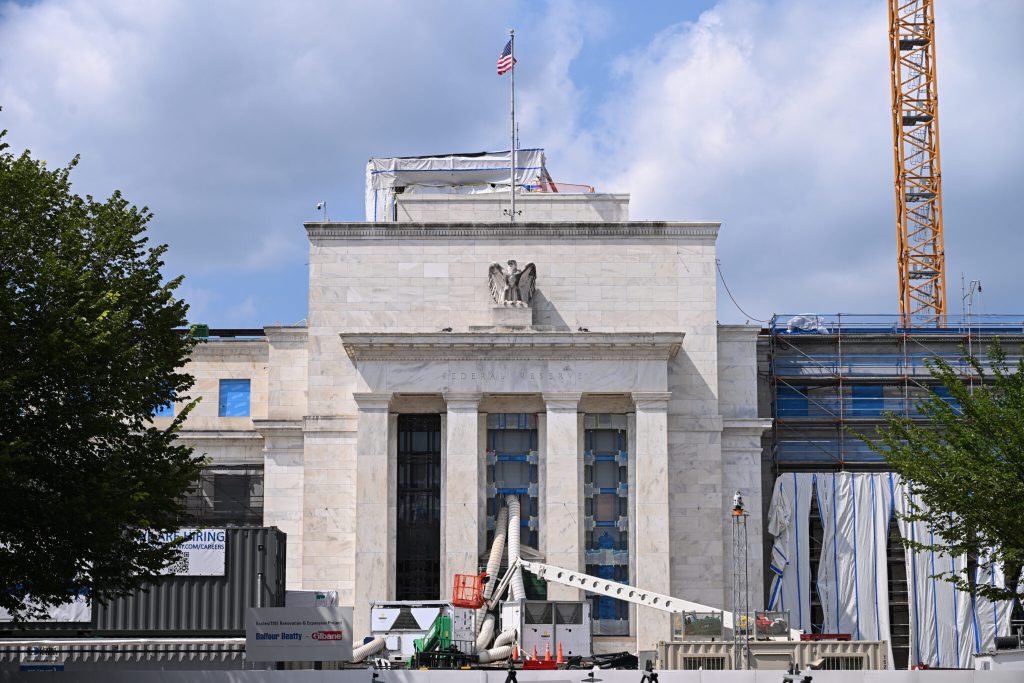
In recent weeks, the financial landscape has been marked by a notable shift in expectations regarding interest rate hikes by the Federal Reserve. As inflation in the United States shows signs of cooling, analysts are reevaluating their predictions for future monetary policy adjustments. According to insights from Goldman Sachs, the prevailing market assumptions may be overly aggressive, especially concerning anticipated increases in interest rates. This blog post delves into the implications of these developments for investors and traders, offering a comprehensive overview of the current economic climate and its potential impact on financial markets.
The Federal Reserve’s monetary policy decisions have far-reaching consequences, not only for the U.S. economy but also for global financial markets. As the largest economy in the world, the actions taken by the Fed can influence interest rates, investment strategies, and economic growth across the globe. Recently, Goldman Sachs’ chief economist Jan Hatzius highlighted that market predictions for impending interest rate hikes may not align with the current economic indicators.
A key factor influencing this shift is the recent data showing a decline in inflation, alongside disappointing retail sales and employment figures. Hatzius noted that this combination of softer economic indicators has significantly reduced the likelihood of a rate increase during the Fed’s September meeting. With inflation cooling, the expectation that the Fed would take a hawkish stance on interest rates appears increasingly unrealistic.
In light of these developments, some traders have begun to reposition their expectations, pushing back the anticipated timing of the next quarter-point rate hike to January, a shift from previous forecasts that had suggested a December increase. This reassessment underscores the dynamic nature of market sentiment and the importance of staying informed on economic trends. Goldman Sachs argues that while the market is moving away from aggressive rate-hike bets, there remains potential for further adjustments in expectations as the economic landscape continues to evolve.
One of the critical areas of focus for investors is the bond market, particularly U.S. Treasury securities. The Fed’s policy decisions play a crucial role in shaping yields on government bonds, which are often seen as a safe haven for investors. The current environment presents a complex scenario for Treasury investors, who are caught between cooling inflation, which typically favors bond ownership, and ongoing fiscal concerns stemming from heavy government borrowing.
The tension between these competing forces may keep long-term yields elevated, even as inflation pressures ease, ultimately dampening the typical rally that would accompany a slowdown in price growth. For instance, yields on two-year Treasury notes have remained above 4%, reflecting the market’s uncertainty regarding future Fed actions. As investors weigh the likelihood of rate hikes against improving inflation data, the Treasury curve is expected to steepen further in response to these developments.
From an investor’s perspective, the key takeaway here is the importance of adaptability. The evolving economic indicators necessitate a careful reassessment of investment strategies, particularly in relation to fixed-income assets. As the market recalibrates expectations regarding the Fed’s monetary policy, investors must remain vigilant and responsive to changes in economic data that could signal shifts in interest rate trajectories.
Moreover, traders should consider the implications of potential budgetary challenges on longer-maturity debt, as persistent fiscal concerns could lead to increased compensation demands from buyers. This dynamic may serve to create volatility in the bond market, emphasizing the need for strategic positioning and risk management.
In conclusion, the current economic climate presents a unique set of challenges and opportunities for traders and investors alike. With inflation showing signs of cooling and market expectations for Federal Reserve rate hikes adjusting accordingly, it is essential for market participants to remain informed and agile. The interplay between inflation data, government borrowing, and interest rate expectations will continue to shape the financial landscape, making it crucial for investors to stay ahead of the curve and adapt their strategies as necessary. As we move forward, keeping a close eye on economic indicators and market sentiment will be vital for navigating this increasingly complex financial environment.