
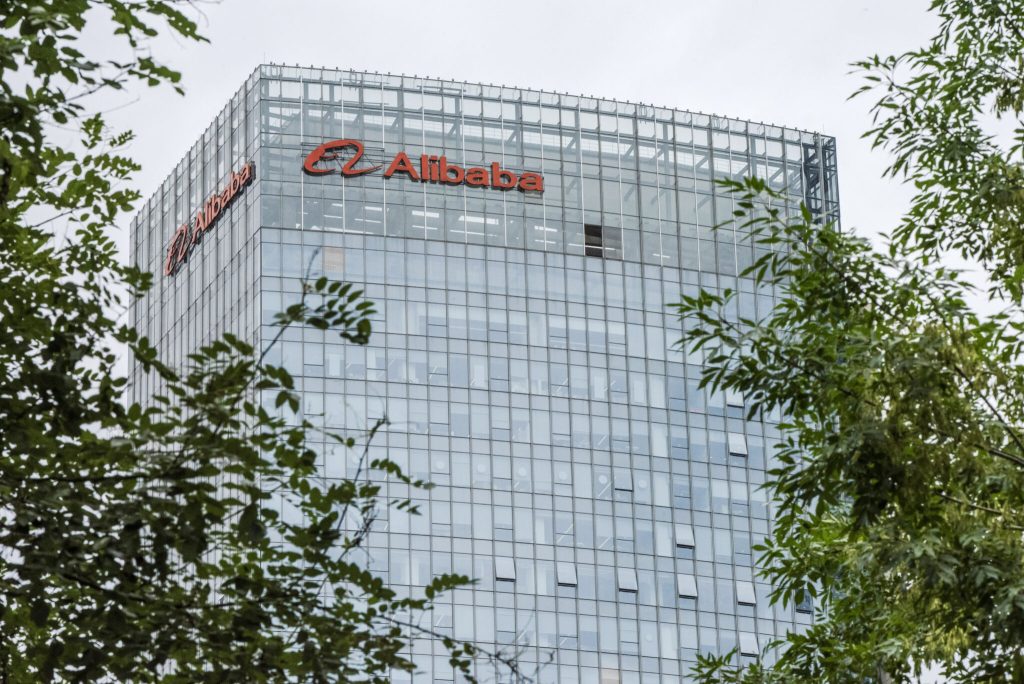
In the rapidly evolving landscape of technology, few trends have captured the attention of investors and analysts alike as much as the surge in artificial intelligence (AI). As companies race to innovate and deploy AI technologies, the financial implications of this competition are becoming increasingly evident. Chinese tech giants such as Alibaba, Baidu, and Kuaishou Technology are at the forefront of this battle, facing not only the challenges of technological advancement but also the mounting financial pressures that accompany them. In this blog post, we will delve into the current state of AI competition among these firms, the financial implications of their strategies, and what investors should keep an eye on moving forward.
The AI race among tech companies is characterized by high stakes and even higher costs. As firms strive to carve out their niches in this cutting-edge field, they are investing heavily in research and development (R&D) to create robust AI models and applications. For instance, Alibaba has recently unveiled Qwen3.8-Max, its most advanced AI model yet, which reportedly boasts capabilities that rival those of American competitors. This move not only positions Alibaba as a leader in the AI sector but also raises questions about the sustainability of such extensive financial commitments.
While the Chinese market presents unique advantages for AI companies—such as a vast user base eager for technological adoption—there are significant hurdles to overcome in terms of profitability. According to Bloomberg Intelligence, the focus for many of these companies remains on user adoption rather than immediate financial returns. This long-term view can lead to short-term financial strain, as companies like Kuaishou may see their margins tighten due to aggressive AI investments.
Baidu, another major player in the AI arena, is also grappling with its own set of challenges. The company is contemplating a spinoff of its AI chip unit, Kunlunxin, a move that some analysts believe may not have a positive impact on its earnings in the near term. This reflects a broader trend in the tech industry, where companies are often forced to make tough decisions about resource allocation and divestiture in order to remain competitive.
In the electric vehicle (EV) sector, Xiaomi is experiencing its own growth challenges. The recent launch of its Skynomad sport utility vehicles has fallen short of market expectations, raising concerns about pricing strategies and margin pressures. As competition in the EV space heats up, Xiaomi will need to reassess its approach to maintain its market position. Conversely, Geely Automobile Holdings Ltd. has reported stronger vehicle exports, which may bolster its financial performance in the coming months, highlighting the contrasting fortunes of companies within the same industry.
As these companies navigate the complexities of AI competition and the broader tech landscape, investors are left with several key takeaways. Firstly, it is essential to recognize that the pace of AI development comes with significant financial costs. Investors should be cautious of companies that are heavily investing in AI without a clear path to profitability. Secondly, the focus on user adoption over immediate returns signifies a shift in how tech companies are prioritizing their resources. This could lead to volatility in stock prices as companies report their financial results in the coming quarters.
For traders and investors, understanding the nuances of each company’s strategy will be critical. Monitoring financial disclosures, R&D expenditures, and market responses to new product launches can provide valuable insights into which firms are effectively navigating the financial pressures of AI competition. Additionally, keeping an eye on broader economic indicators, such as retail sales and inflation rates, will help contextualize the challenges these companies face within the larger economic landscape.
In conclusion, the race for AI supremacy among Chinese tech giants is more than just a technological contest; it is a complex financial endeavor that requires careful navigation. As companies like Alibaba, Baidu, and Kuaishou continue to invest heavily in AI, the implications for their financial health will be significant. Investors should remain vigilant, focusing on the long-term potential of these firms while being aware of the short-term financial pressures that may arise. The coming months will be pivotal in determining how these tech giants will balance innovation with profitability in an increasingly competitive market.