
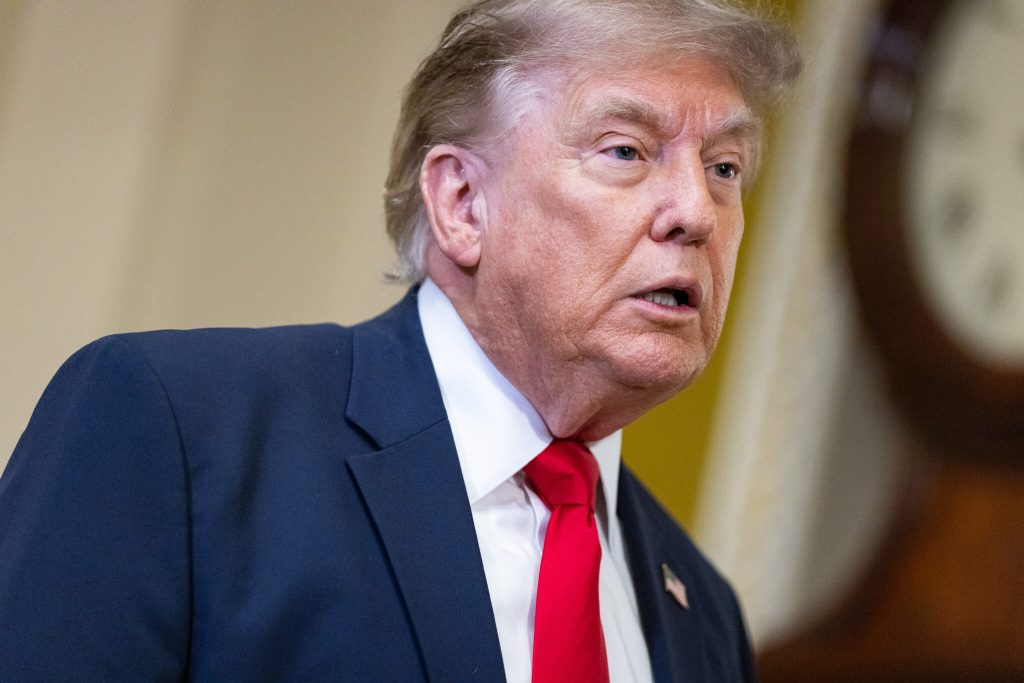
The geopolitical landscape in the Middle East has always been fraught with tension, but recent events have escalated worries over the potential for conflict that could have far-reaching economic consequences. One of the most critical waterways in the world, the Strait of Hormuz, has become a focal point for international relations and oil trade, especially in light of the ongoing tensions between the United States and Iran. President Donald Trump’s recent comments regarding Oman and the potential for military action if the nation interferes with U.S. operations in the region have sparked new fears about an escalating conflict. Understanding these developments is essential for investors and traders alike, as the implications for oil prices and global markets are significant.
The Strait of Hormuz is a narrow passage that connects the Persian Gulf to the Gulf of Oman and the Arabian Sea, serving as a vital conduit for approximately 20% of the world’s crude oil supply. With such a substantial volume of oil passing through this strait, any disruption—whether due to military action, political instability, or environmental factors—can lead to dramatic fluctuations in oil prices. The recent rhetoric from President Trump, in which he threatened to bomb Oman should they impede U.S. efforts to blockade Iranian vessels, underscores the precarious balance of power in the region. This statement, made during a phone interview with Fox News, illustrates the high stakes involved as the U.S. attempts to apply pressure on Iran amidst ongoing tensions.
The conflict between the U.S. and Iran has been prolonged and complex, lasting nearly six months without a clear resolution. Diplomatic efforts aimed at fostering constructive dialogue and peace have stagnated, while intermittent clashes continue to disrupt the flow of oil and other essential commodities. The escalating military posturing and threats have caused oil prices to surge, adding to the economic pressure felt not only in the U.S. but globally. For investors, this situation presents both challenges and opportunities, as the volatility in oil prices can create significant trading prospects.
One key takeaway from this ongoing situation is the direct correlation between geopolitical events and market performance, particularly in the energy sector. As tensions rise, traders must closely monitor news related to the Strait of Hormuz and U.S.-Iran relations, as these developments can lead to swift price changes in crude oil. For example, any military engagement or blockade that impedes the flow of oil is likely to result in immediate spikes in oil prices, which can have broader implications for stock markets and economies worldwide.
Furthermore, the pressure on President Trump’s Republican Party ahead of the upcoming midterm elections adds another layer of complexity. The administration’s handling of the Iranian conflict and its impact on the domestic economy will be scrutinized by voters, which could influence political dynamics in the U.S. Investors should be aware of how political sentiment can affect market behavior, especially in an election year where economic performance is a critical factor for voters.
For traders and investors looking to navigate these turbulent waters, several strategies can be employed. First and foremost, keeping abreast of real-time news updates and geopolitical analyses is crucial. Utilizing tools such as economic calendars and market sentiment indicators can help traders make informed decisions based on market movements. Additionally, diversifying portfolios to include commodities like oil, as well as equities that may benefit from rising oil prices, can provide a buffer against market volatility.
Moreover, options trading on oil futures can be a strategic way to hedge against potential price spikes caused by geopolitical tensions. By leveraging options, traders can protect their investments while capitalizing on the potential for substantial gains in a volatile market.
In conclusion, the situation in the Strait of Hormuz is a poignant reminder of how interconnected global events can influence financial markets. As tensions between the U.S. and Iran continue to unfold, traders and investors must remain vigilant, adapting their strategies to manage risk while seeking opportunities in the ever-changing landscape of oil prices and geopolitical dynamics. The implications of these developments extend beyond the immediate region, affecting economies and markets worldwide, making it imperative for market participants to stay informed and proactive.