
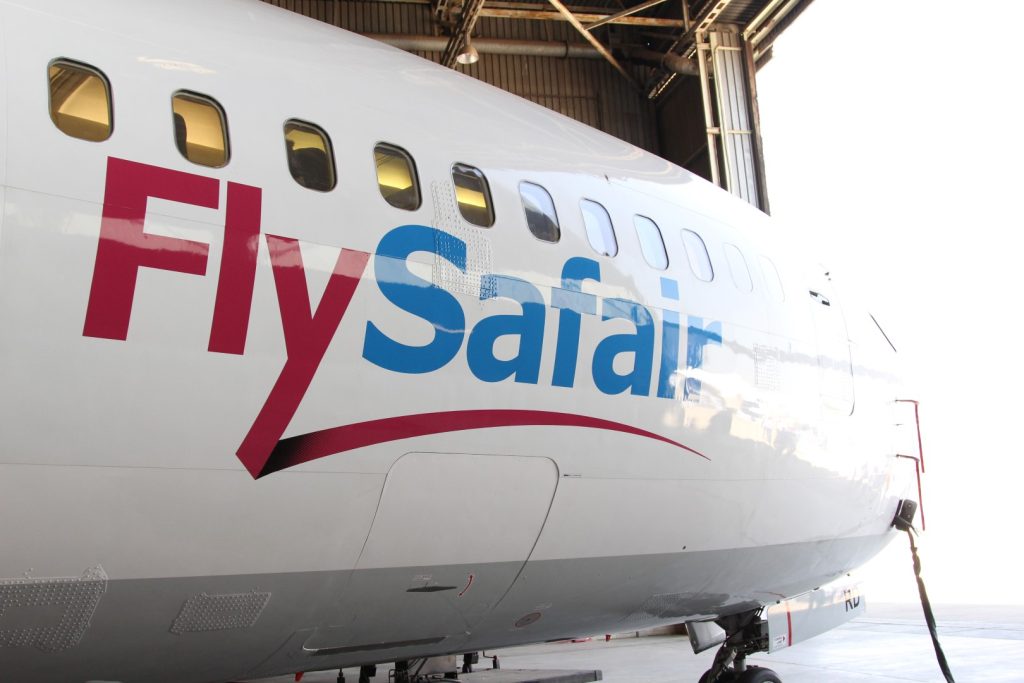
In a significant move that could reshape the South African aviation landscape, CemAir, a privately-owned airline, has voiced strong opposition to Harith Aviation’s proposed acquisition of FlySafair. This development, which has captured the attention of industry stakeholders and regulators alike, raises important questions about competition, market dynamics, and the implications for consumers. As the Competition Tribunal weighs the merits of this case, it is essential to delve into the details and understand the potential ramifications of such a merger.
The backdrop of this dispute involves Harith Aviation’s plans to acquire FlySafair, a prominent player in the domestic airline market. CemAir has taken the bold step of petitioning the Competition Tribunal to intervene, arguing that the merger poses a threat to competition and could result in negative consequences for consumers and other airlines. Advocate Dwight Snyman, representing CemAir, articulated the airline’s concerns during a recent tribunal session, emphasizing that the acquisition should be evaluated carefully due to its broader implications in the aviation sector.
One of the main points raised by CemAir is the need for structural conditions that would ensure FlySafair’s operational independence from Lanseria International Airport and any associated aviation infrastructure interests. Snyman contended that simply imposing behavioral undertakings would be insufficient. Instead, he argued for objective, measurable, and enforceable conditions that could effectively mitigate potential anti-competitive effects stemming from the merger. Suggested remedies included implementing independent governance structures for Lanseria Airport, establishing enforceable information barriers, and ensuring transparent criteria for slot allocation and tariffs.
The Competition Commission had previously recommended that the tribunal conditionally approve the transaction, contingent on Harith Aviation’s commitment to fair practices in information sharing and service provision at Lanseria Airport. This recommendation reflects the Commission’s acknowledgment of the potential risks associated with the merger, particularly given Harith’s existing interests in the airport infrastructure where FlySafair operates.
From CemAir’s perspective, the merger represents more than just an acquisition; it brings to light the intricate relationships within the South African aviation value chain. The interconnections between Harith Aviation, FlySafair, and Lanseria Airport create a scenario where economic interests could align in ways that might disadvantage competitors. Snyman’s assertion that the tribunal should consider ownership relationships collectively rather than in isolation underscores the complexity of the situation. This approach seeks to ensure that the economic dynamics at play do not stifle competition or lead to discriminatory practices against other airlines.
Key takeaways from this ongoing situation include the importance of maintaining a competitive marketplace in the aviation sector and the potential impact of mergers and acquisitions on consumer choice and pricing. The scrutiny of such transactions by regulatory bodies is crucial to safeguarding fair competition and ensuring that no single player can dominate the market to the detriment of others.
For traders and investors, the developments surrounding Harith’s acquisition of FlySafair serve as a reminder of the volatility inherent in the aviation industry. Mergers can create opportunities for growth and expansion, but they also come with risks, particularly when regulatory approval is uncertain. Investors should remain vigilant and assess the potential outcomes, as well as the broader market implications, before making decisions based on this evolving narrative.
In conclusion, the challenge posed by CemAir to Harith Aviation’s acquisition of FlySafair highlights the delicate balance between growth ambitions and the need for competitive integrity in the aviation market. As the Competition Tribunal deliberates on this matter, the broader implications for the industry will be closely monitored by stakeholders across the board. The outcome of this case could set critical precedents for future mergers and acquisitions within South Africa’s aviation sector, shaping the landscape for years to come. Ultimately, the focus should remain on fostering a competitive environment that benefits consumers while allowing airlines to thrive in a challenging economic climate.