
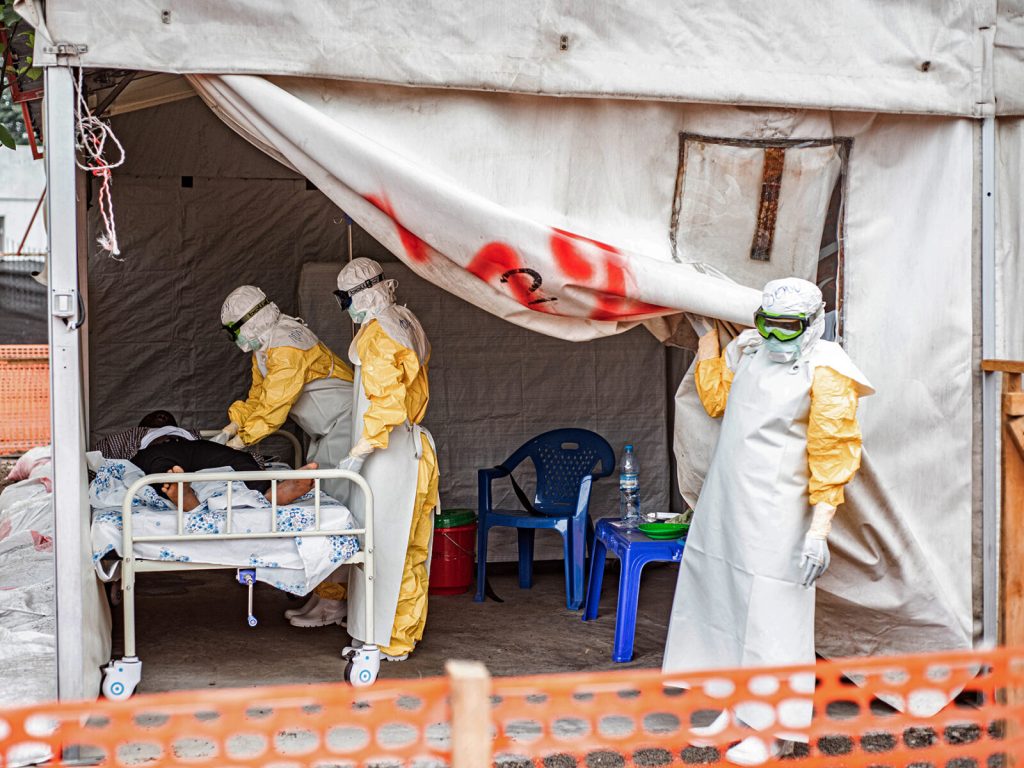
The ongoing Ebola epidemic in the eastern region of the Democratic Republic of Congo (DRC) has raised serious concerns about the management of financial resources and the overall trustworthiness of the response efforts. With more than 5,000 confirmed cases and over 2,300 deaths reported, the situation has intensified scrutiny over how funds are allocated and utilized in combating the outbreak. As international partners mobilize significant financial aid, the critical need for transparency and accountability in financial dealings has never been more pronounced.
The DRC is currently grappling with what many observers describe as the world’s fastest-growing Ebola outbreak. The Africa Centres for Disease Control and Prevention (Africa CDC) has identified financial accountability as a priority in the response efforts. This comes in the wake of allegations and suspicions regarding the potential profiteering from the outbreak, which have severely undermined the cooperation required from local communities to effectively manage the crisis. The distrust within these communities is not unfounded; reports highlight issues such as delayed payments to health workers, some of whom have not received their salaries for almost the entire duration of the outbreak.
As of early August, international partners had already mobilized over $420 million to address the epidemic. However, the effectiveness of this funding is compromised by the lack of timely and transparent payment processes. The World Health Organization (WHO) and Africa CDC have emphasized the necessity of equitable compensation for frontline workers, who are essential in the fight against the virus. They have stated unequivocally that no response effort can succeed if health workers remain unpaid and inadequately protected, as this could lead to a breakdown in essential services.
One of the most pressing issues facing health officials is the local belief that the Ebola crisis is being exploited for profit. This perception has been bolstered by various community feedback mechanisms that have surfaced concerns about health care quality in treatment centers. Many families are hesitant to seek medical help for their sick relatives, fearing that they may not receive the care they need, or worse, that they might become part of a financial scheme designed to benefit others.
The narrative surrounding the “Ebola business” has infiltrated local conversations, complicating the efforts of health authorities. The DRC’s government, along with Africa CDC and WHO, has acknowledged the urgent need for financial transparency. They have agreed to implement a system that tracks funding from donors down to the local level, ensuring that every dollar reaches the intended beneficiaries. This initiative aims to eliminate duplication of efforts and ensure that implementing organizations can demonstrate tangible results.
A significant challenge in the current response is the legacy of the previous Ebola outbreak from 2018 to 2020, during which allegations of misappropriation of funds and corruption ran rampant. Reports surfaced of the then-health minister embezzling more than $400,000 in Ebola funds, further eroding public trust. Such incidents have created an atmosphere of skepticism towards health initiatives, making it difficult for authorities to engage the community effectively.
The insights from this current outbreak reveal a crucial lesson for both traders and investors in the health sector. Financial accountability is not merely a regulatory requirement; it is vital for the very survival of response efforts during pandemics. Investors should recognize that transparency builds trust, which is fundamental to community cooperation, especially in a crisis. Engaging local stakeholders and ensuring that they are part of the decision-making process can enhance the efficacy of health interventions.
In conclusion, the Ebola outbreak in the Democratic Republic of Congo is not merely a public health issue; it is a complex interplay of trust, financial accountability, and community engagement. As the African CDC and WHO work towards ensuring that funds are managed transparently and equitably, it is imperative that local communities are engaged genuinely in the response efforts. Only through cooperative efforts and a commitment to financial integrity can the DRC hope to contain this outbreak and restore faith in its health system. For investors and stakeholders in the health sector, this situation serves as a poignant reminder of the critical importance of accountability and community trust in achieving sustainable outcomes in health crises.