
In the world of finance, the intricate relationship between accounting practices and investment strategies cannot be overstated. For years, investors have relied on the data produced by accountants to make informed decisions. However, as accounting standards evolve, particularly with the shift from historical cost to fair value accounting, the potential for miscommunication between these two groups becomes a pressing concern. This change, rooted in the International Financial Reporting Standards (IFRS), raises critical questions about how investors interpret financial statements and the true value of their investments.
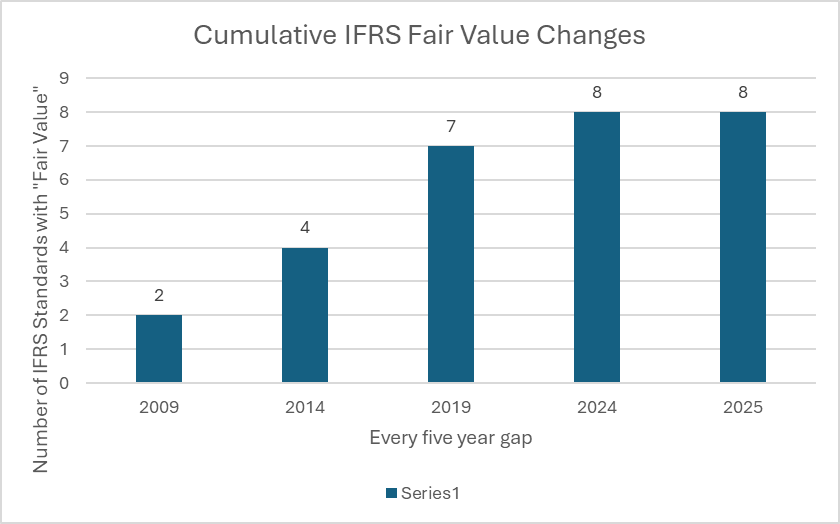
Over the last two to two-and-a-half decades, IFRS has undergone significant transformations, steering the focus increasingly towards fair value accounting. This approach prioritizes the balance sheet over the income statement, fundamentally altering how financial statements are constructed and interpreted. Understanding this shift is essential for investors who may not have a deep background in accounting but rely on financial data to guide their investment strategies.
Fair value accounting represents a method where assets and liabilities are recorded at their current market values rather than their historical costs. This change aims to provide a more accurate snapshot of a company’s financial health, but it also introduces a degree of complexity that can confuse investors. Historically, many investors used key financial ratios, such as the Price-to-Book (P/B) ratio and the Price Earnings (P/E) ratio, to gauge the attractiveness of stocks. These ratios rely heavily on the accuracy of the book value and earnings figures derived from historical costs.
However, as fair value accounting has gained prominence, these figures can become inflated or distorted. For instance, if an asset is written up to reflect its fair market value, the apparent net asset value (NAV) may not accurately represent the cash flow that the asset can generate. Consequently, a company may exhibit a low P/B ratio, suggesting it is undervalued, when in reality, this figure is influenced by accounting practices rather than genuine market conditions.
Furthermore, the problem extends to earnings metrics as well. When fair value adjustments are applied, they can significantly impact reported earnings, potentially obscuring the company’s actual profitability. Investors relying solely on these figures may misinterpret a company’s financial health, leading to misguided investment decisions.
The implications of these shifts are profound, particularly as they also affect other critical financial metrics like Return on Equity (ROE). As the accounting landscape evolves, traditional methods of evaluating company performance may no longer be as effective. Cash flow statements, often seen as a reliable measure of a company’s financial viability, are not immune to these changes either. For example, IFRS 16 introduces complexities in how lease payments are categorized, further complicating the assessment of free cash flow—a metric fundamental to investment analysis.
For investors, this evolving accounting landscape means that relying solely on historical financial ratios may lead to misguided conclusions. A thorough understanding of the underlying accounting principles and their impact on financial statements is essential. As the accounting profession and investment community continue to diverge in their interpretations of value, investors must adapt their strategies accordingly.
Key takeaways from this shift include the importance of critically evaluating financial statements in the context of current accounting standards. Investors should be wary of traditional financial ratios that may no longer provide an accurate picture due to the influence of fair value accounting. Additionally, understanding the nuances of cash flow statements and how they are affected by new accounting standards can provide deeper insights into a company’s financial performance.
For traders and investors navigating this landscape, the following insights are crucial:
1. **Educate Yourself**: Familiarize yourself with the changes in IFRS and how they impact financial reporting. This knowledge will empower you to make informed decisions.
2. **Look Beyond Ratios**: Don’t rely solely on P/B or P/E ratios. Consider a company’s cash flows, asset valuations, and the context of its financial statements.
3. **Engage with Financial Reports**: Delve deeper into the notes and disclosures in financial reports to understand how fair value adjustments are affecting reported figures.
4. **Adopt a Flexible Strategy**: Be prepared to adjust your investment strategy as accounting standards continue to evolve and impact valuation metrics.
In conclusion, the transition from historical cost to fair value accounting represents a significant shift in the financial landscape, one that has far-reaching implications for investors. As the relationship between accountants and investors grows more complex, being equipped with the right knowledge and tools is essential. By understanding these accounting principles and their potential impact on financial statements, investors can navigate this evolving terrain more effectively, ultimately leading to better-informed investment decisions.