
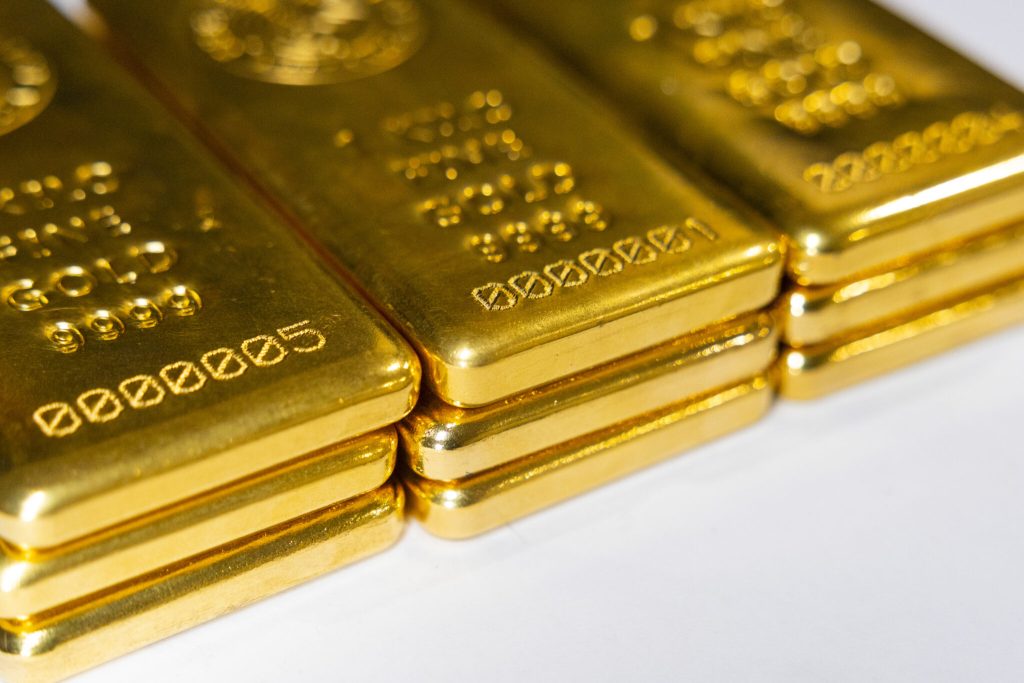
In recent weeks, gold has demonstrated remarkable resilience, maintaining its value near the critical threshold of $4,400 an ounce. This stability comes on the heels of shifting economic indicators and fluctuating monetary policies, particularly those emanating from the Federal Reserve. With reduced expectations for interest rate hikes, gold has become more accessible to a broader range of buyers, prompting a renewed interest in this age-old safe-haven asset.
As the financial landscape evolves, it’s crucial for both traders and investors to understand the underlying factors that have influenced gold prices and what they might indicate for the future. This blog post will delve into the key elements that are shaping the current gold market, and offer insights that could guide investment decisions moving forward.
The dynamics affecting the gold market are multifaceted. Recently, the U.S. dollar has shown signs of weakness, primarily due to softer economic data that have led to a reassessment of the Federal Reserve’s monetary policy. This shift in sentiment has diminished the likelihood of additional interest rate hikes before the end of the year, a significant change from just a week prior when such increases were considered more probable. The impact of this shift is pivotal; as the dollar weakens, gold becomes cheaper for foreign buyers, thus boosting demand.
One of the principal drivers behind gold’s recent price stability is the decline in U.S. Treasury yields, particularly those on long-term bonds. The 30-year Treasury yield has surged to its highest level in almost two decades, a reflection of growing concerns regarding government spending and inflation. Such an environment can paradoxically create a supportive backdrop for gold, as investors often turn to this precious metal as a hedge against rising government debt and inflationary pressures. As noted by Ole Hansen, head of commodity strategy at Saxo Bank, the reduction in both the dollar’s strength and interest rate hike expectations are alleviating some of the headwinds that previously pressured gold prices.
However, the market remains vigilant about potential monetary tightening, which typically exerts downward pressure on non-yielding assets like gold. Compounding this uncertainty are geopolitical tensions, particularly in the Middle East, where renewed fighting has escalated concerns about stability in the region. The ongoing strife, coupled with remarks from U.S. officials regarding diplomatic relations with Iran, has added to the market’s volatility. The Strait of Hormuz, a critical shipping lane, remains a focal point of these tensions, affecting global trade and energy prices.
Despite these challenges, gold has recently managed to rebound above the $4,000 mark, buoyed by increasing demand from investors and central banks, especially in China. This renewed interest underscores gold’s status as a safe-haven asset during turbulent times. The metal’s ability to surpass its 100-day moving average for the first time since April is a technical indicator that traders are closely monitoring, as it may signal further bullish momentum.
Looking ahead, traders and investors should pay close attention to the upcoming release of minutes from the Federal Reserve’s July policy meeting. These documents could provide invaluable insights into the central bank’s future rate path and overall economic outlook. Additionally, remarks from Fed Chairman Kevin Warsh at the Jackson Hole symposium later this month will likely be scrutinized for any hints regarding monetary policy adjustments.
As we analyze the current state of gold, there are several key takeaways for investors:
1. **Weak Dollar Benefits Gold**: A declining U.S. dollar makes gold more affordable for international buyers, potentially increasing demand.
2. **Interest Rate Projections Matter**: The diminishing likelihood of interest rate hikes is a boon for gold, which thrives in low-interest-rate environments.
3. **Long-Term Treasury Yields Influence**: Rising yields on long-term bonds can create a complex landscape for gold, as they reflect investor sentiment about inflation and government debt.
4. **Geopolitical Tensions Impact Markets**: Ongoing global conflicts can heighten demand for gold as a safe haven, reflecting its enduring appeal in times of uncertainty.
In conclusion, gold’s recent stability amidst fluctuating economic indicators and geopolitical unrest illustrates its enduring role as a safe-haven asset. As traders and investors navigate this complex landscape, understanding the interplay between monetary policy, currency strength, and global tensions will be essential. While the future of gold remains uncertain, its historical significance as a hedge against volatility is likely to endure, making it a crucial component of any diversified portfolio.