
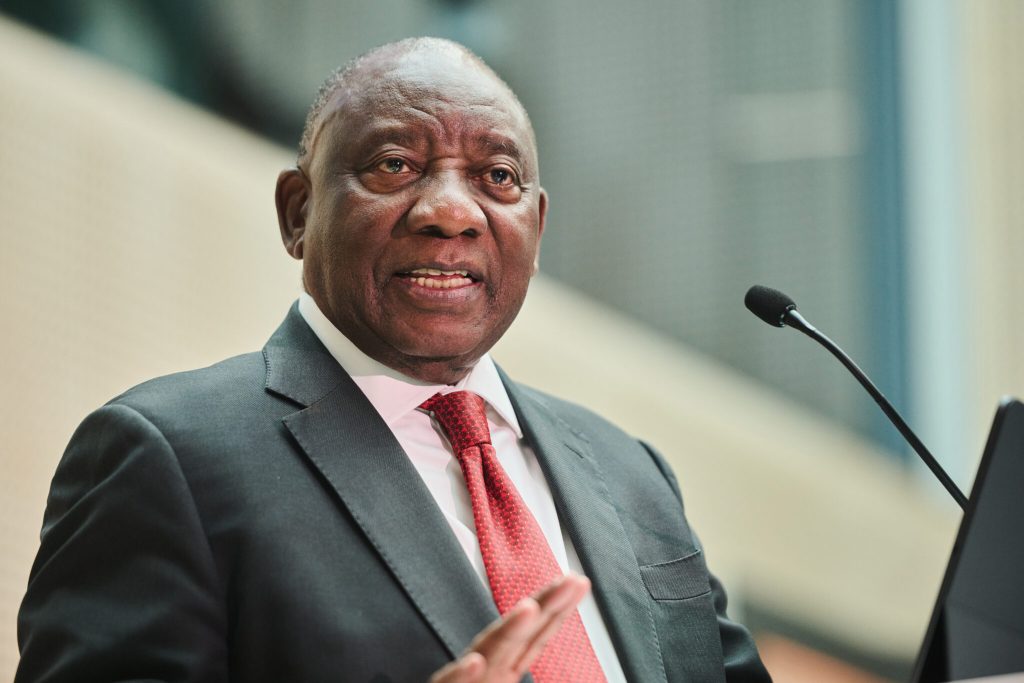
As South Africa takes the helm of the Southern African Development Community (SADC) by hosting the 46th Summit in eThekwini, the focus shifts toward enhancing regional economic integration. In a world characterized by economic instability and geopolitical tensions, the significance of such collaboration has never been more pronounced. This summit presents an opportunity for South Africa and its neighboring nations to forge a path toward a more interconnected and resilient regional market, ensuring job creation and improved living standards for millions.
The SADC comprises 16 member states, collectively home to approximately 400 million people. The region is blessed with abundant natural resources, a youthful demographic, and the potential to produce essential goods and services for its citizens. However, despite these advantages, intra-regional trade remains alarmingly low, accounting for only about 20% of the total trade among member countries. This statistic highlights a critical gap in regional economic collaboration and underscores the pressing need for action.
At present, the challenges posed by global conflicts and economic disruptions are impacting trade flows and driving up prices for essential commodities like fuel, grain, and fertilizers. As a result, the urgency for SADC member countries to prioritize economic integration becomes even more evident. For South Africans, SADC membership goes beyond foreign policy; it is intrinsically linked to job creation, industrial growth, infrastructure development, and the overall well-being of the populace.
One of the most significant obstacles to achieving a robust regional economy is the high level of dependence on imports for goods and services. For instance, while Southern Africa is rich in critical minerals, the region often exports raw materials only to import finished products, such as batteries. This situation illustrates the need for a more self-sufficient economic model that prioritizes local production and consumption.
The establishment of a common market within SADC is crucial for addressing these challenges. No single country can effectively tackle issues such as energy production, infrastructure development, and climate change in isolation. Collaborative efforts are essential to create integrated systems that facilitate the movement of goods, services, and people throughout the region. Current initiatives like the Maputo, North-South, Trans-Kalahari, Beira, and Lobito corridors aim to bolster trade and transport networks, but more needs to be done to ensure these corridors function as vital arteries of commerce.
The Southern African Power Pool exemplifies the potential benefits of regional cooperation in energy management. By sharing electricity resources, member countries can enhance their energy security and support economic activities across borders. However, there is still work to be done to expand this network and ensure affordable, reliable energy for all nations within the community. Similar collaborative approaches are necessary for managing shared water resources, ensuring sustainable access for industries and populations alike.
In addition to improving infrastructure and resource management, SADC must also focus on reducing barriers to trade. This includes lowering costs related to communication and financial transactions, which currently hinder inter-country commerce. Streamlining processes and enhancing connectivity will make it easier for businesses to engage in trade, ultimately benefiting consumers and fostering economic growth.
For traders and investors, the implications of SADC’s renewed commitment to economic integration are profound. A more interconnected regional market presents opportunities for businesses to expand their operations, access new customer bases, and optimize supply chains. The potential for increased intra-regional trade can lead to the emergence of new industries and job creation, making Southern Africa an attractive destination for investment.
Additionally, as regional economies strengthen and diversify, they can better withstand global economic fluctuations. Investors increasingly seek stability and resilience in their portfolios, and a collaborative SADC framework can provide a more secure environment for investment.
In conclusion, South Africa’s role as the incoming chair of the SADC presents a pivotal moment for the region. By prioritizing economic integration and collaboration, member states can address the challenges posed by global disruptions and work toward a more sustainable and prosperous future. The potential benefits of a unified approach to trade and resource management are immense, and the time to act is now. As South Africa leads the charge in eThekwini, the focus on building a dynamic regional market will undoubtedly yield significant dividends for the economies and citizens of Southern Africa.