
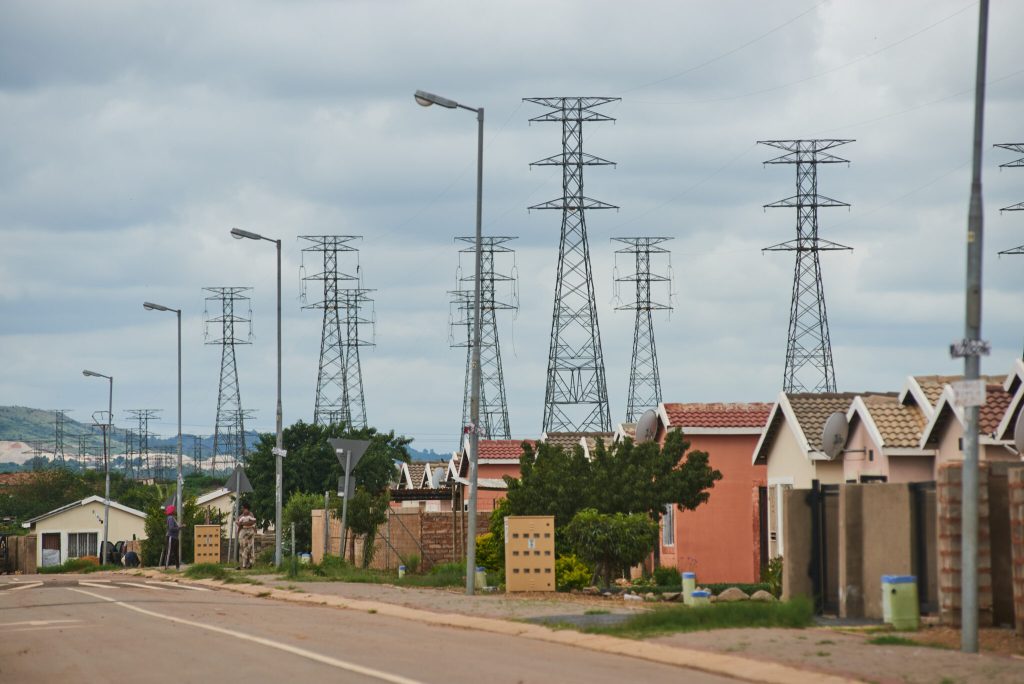
In a bold move aimed at revitalizing its struggling energy sector, South Africa has announced significant reforms to its electricity-tariff framework, marking the most substantial revision in nearly twenty years. As the country grapples with the repercussions of an aging energy infrastructure and the overwhelming burden of load shedding, these proposed changes could pave the way for a more sustainable and competitive energy market. Electricity Minister Kgosientsho Ramokgopa recently outlined the framework for these reforms, emphasizing the need for transparency, competition, and a clear pricing structure that reflects the realities of electricity supply.
The urgency of these reforms stems from the ongoing challenges faced by Eskom, South Africa’s state power utility. For over a decade, the country has endured recurring power outages due to systemic inefficiencies and a reliance on a singular state-owned entity. As part of a broader strategy to dismantle Eskom’s century-long monopoly, the proposed changes aim to unbundle the utility into three distinct entities responsible for generation, transmission, and distribution. This restructuring is expected to encourage private sector participation and ultimately lead to improved service delivery and reliability.
The proposed tariff changes include the introduction of a decade-long pricing forecast, which aims to provide consumers and businesses with greater predictability regarding future electricity costs. Additionally, the new framework will implement unbundled tariffs, allowing for a more nuanced understanding of where costs are incurred within the electricity supply chain. This approach is intended to enhance transparency in pricing and help customers make informed decisions about their energy consumption.
A significant aspect of the proposed reforms is the extension of the negotiated pricing agreement program beyond the mining sector, which has traditionally been the primary beneficiary of such arrangements. By broadening access to these agreements, the government hopes to create a more equitable pricing landscape that can benefit various industries and ultimately stimulate economic growth. The National Energy Regulator of South Africa (NERSA) has already approved substantial tariff increases, with a reported average rise of 9% for municipal distributors and an 8.8% increase for customers supplied directly by Eskom. These hikes have placed additional financial strain on households and businesses, underscoring the need for a comprehensive review of the existing pricing structure.
One of the main objectives of this tariff overhaul is to create a pricing mechanism that accurately reflects the costs associated with electricity generation, transmission, and distribution. By delineating these costs and integrating them into a cohesive framework, the government aims to foster a competitive market that encourages innovation and investment. Furthermore, the proposed changes are expected to strengthen regulatory oversight, ensuring that pricing mechanisms are consistently applied and transparent.
As South Africa embarks on this ambitious reform journey, key takeaways for traders and investors include the potential for new opportunities in the energy sector. The unbundling of Eskom presents a unique chance for private players to enter the market, potentially reshaping the competitive landscape. Investors should pay close attention to developments surrounding the new tariff structures, as these changes may influence the profitability and operational dynamics of existing and emerging energy companies.
Moreover, the proposed reforms may have broader implications for economic growth in South Africa. With energy shortages having stunted growth for years, a more efficient and competitive electricity market could provide the necessary foundation for businesses to thrive. The government’s commitment to reform indicates a recognition of the critical role that energy plays in economic development, and the potential for a revitalized sector to contribute to broader economic recovery.
In conclusion, South Africa’s proposed changes to its electricity-tariff framework represent a pivotal moment in the country’s energy landscape. By unbundling Eskom and enhancing tariff transparency, the government aims to create a more competitive, equitable, and efficient electricity market. For traders and investors, these reforms signal new opportunities and the promise of a more resilient economy. As the nation navigates this transition, the successful implementation of these reforms will be crucial for overcoming the challenges that have long plagued South Africa’s energy sector. The coming months will be critical in shaping the future of electricity pricing and the overall health of the economy.