
The geopolitical landscape surrounding U.S.-Iran relations has recently become even more complex, particularly regarding the critical Strait of Hormuz, a vital passage for global oil shipments. Following President Donald Trump’s decision not to pursue a renewal of the ceasefire agreement with Iran, tensions in the Middle East have escalated, resulting in fluctuations in oil prices and uncertainty in the markets. This blog post will delve into the implications of this stalemate and what it means for traders and investors.
With the ceasefire agreement signed in June now officially lapsed, President Trump has made it clear that he does not intend to negotiate an extension. This agreement had provided a short window of opportunity for both parties to come to a lasting peace deal, but frequent violations from both sides rendered it ineffective, leading to its eventual expiration. Without a renewed agreement, the situation remains precarious, with ongoing military activity and threats from both the United States and Iran.
The Strait of Hormuz is a particularly contentious area, as it serves as a conduit for about 20% of the world’s oil and gas supply. Following the collapse of the ceasefire, Brent crude oil prices surged by 1.1%, reaching $91.85 per barrel—the highest level seen in over three weeks. However, this spike was short-lived, with prices retracing to around $91 as market optimism diminished. The fluctuating oil prices are indicative of the broader uncertainty surrounding U.S.-Iran relations and the potential for escalated conflict in the region.
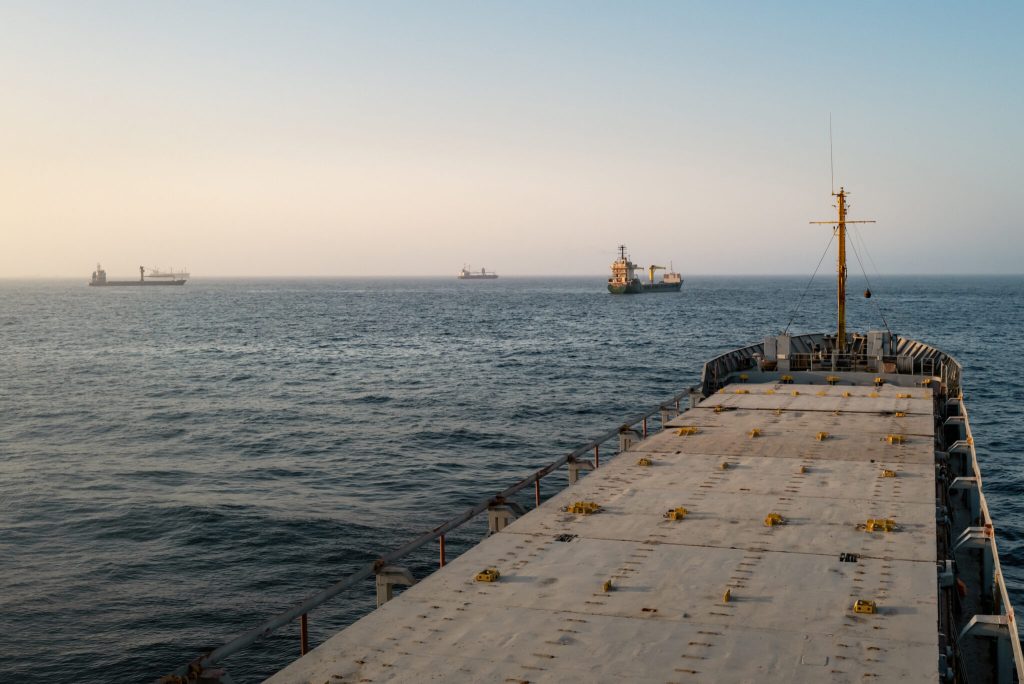
The current situation has raised significant concerns regarding the safety and security of maritime traffic in the Strait of Hormuz. Recent attacks on vessels transiting the region have underscored the risks involved, and the U.S. has demanded that free passage through this crucial waterway be restored. Iran, on the other hand, has indicated that it intends to manage traffic in cooperation with Oman, further complicating the dynamics of the situation.
Key takeaways from this ongoing conflict include the enduring volatility of oil prices in response to geopolitical tensions and the complexities of international negotiations. Traders should be particularly aware of the potential for sudden price movements as news breaks regarding military actions or diplomatic developments. The situation highlights the importance of remaining vigilant and informed about the intricate relationships between nations and how they can impact financial markets.
For investors, the stalemate represents both challenges and opportunities. The uncertainty surrounding oil prices could lead to increased volatility in energy stocks, offering opportunities for traders who can navigate quick market movements. Conversely, the risk of further escalation in military conflict could present significant downsides for those heavily invested in oil and gas industries. It is essential for investors to adopt a cautious approach, considering both the potential rewards and risks associated with geopolitical developments.
The broader implications of these developments extend beyond just the oil markets. The ongoing conflict underscores the fragility of international relations and the potential for economic repercussions that can affect global markets. The war, which ignited on February 28 when U.S. and Israeli forces conducted airstrikes against Iranian targets, has since spiraled into a complex web of military engagements across the Middle East. Economic analysts are now describing this situation as an “economic war of attrition,” where both sides appear committed to outlasting each other in hopes of forcing concessions.
In conclusion, the decision not to revive the ceasefire agreement has significant ramifications for the geopolitical landscape and global oil markets. As tensions remain high in the Middle East, traders and investors must stay informed about the evolving situation, considering both the potential for volatility and the risks associated with prolonged conflict. The dynamics surrounding the Strait of Hormuz will continue to play a pivotal role in shaping oil prices and influencing market sentiment, making it crucial for market participants to remain agile and responsive to the ever-changing geopolitical climate.