
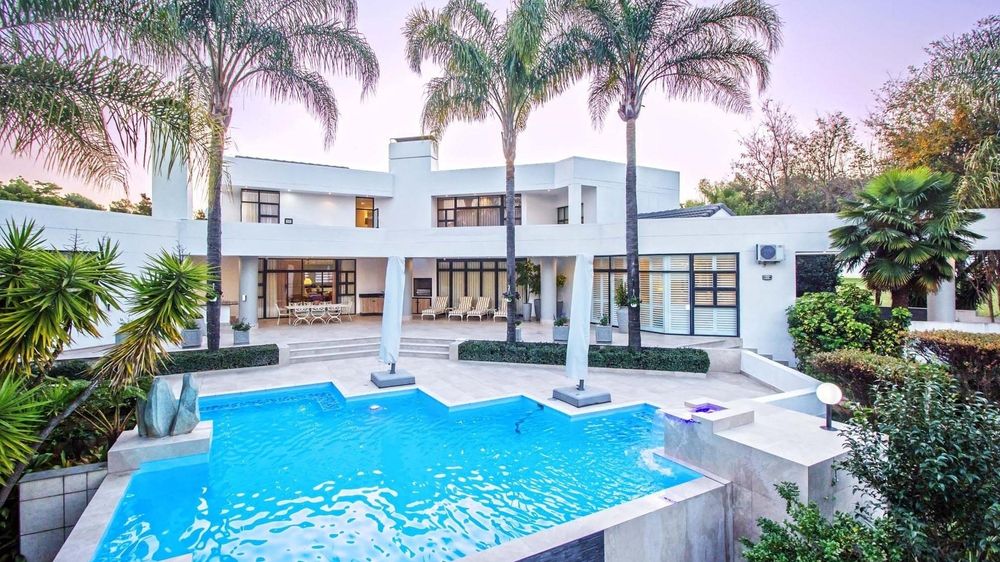
As the world navigates through fluctuating economic landscapes, certain real estate markets demonstrate remarkable resilience, particularly in regions favored by affluent buyers. One such area is Gauteng, South Africa, where luxury residential estates are increasingly capturing the attention of high-net-worth individuals. This trend signifies not only a shift in buyer preferences but also reflects broader economic dynamics impacting the property market.
In recent months, Gauteng’s residential property sector has shown encouraging signs of growth, as evidenced by rising home loan approvals despite the challenges posed by increased deposit requirements. According to a report from BetterBond, the number of home loans granted surged by 4.1% year-on-year in July, marking a significant 28% increase compared to the same month in 2024. These statistics reveal a robust appetite for property investment, particularly in the luxury segment.
The average property price across the board stands at approximately R1.7 million, while first-time buyers are also making headlines with an average purchase price of just over R1.4 million—an all-time high for this demographic. In exclusive areas like Dainfern Golf Estate in Sandton, the median property price has reportedly increased by 17%, now sitting at R6.3 million. This uptick highlights the growing desirability of luxury estates within the region.
One significant factor contributing to this market resilience is the improvement in affordability due to interest rate reductions that began in late 2024. Alongside this, the average income of homebuyers has risen by an impressive 14% over the past two years, enabling more individuals to enter the property market. The average home loan for first-time buyers is now around R1.2 million, with a deposit requirement of 13.2% of the purchase price. Although there has been a slight increase in average deposit amounts, the overall burden remains lighter compared to previous years, having decreased by 21% from its peak in late 2022.
The luxury market in Gauteng is not confined to a single area. Estates like Blair Atholl Golf & Equestrian Estate in Lanseria offer properties ranging from R10 million to an astounding R67 million, catering to a diverse range of affluent buyers. Lightstone’s data indicates that estates constitute 16.7% of all property transactions in Gauteng, but they represent a staggering 28.6% of the total transaction value—over R35 billion. This disparity underscores the premium buyers are willing to pay for the exclusivity and amenities that come with estate living.
Notably, properties priced above R4 million account for 11.2% of transactions within these estates, juxtaposed with just 4.14% across the broader Gauteng market. The typical transaction value within these estates stands at R2.37 million, significantly higher than Gauteng’s overall average of R1.3 million. The allure of luxury estates is clear, as they provide not only high-end living spaces but also enhanced security and superior services, which are increasingly prioritized by discerning buyers.
The upward trend in the luxury real estate sector also extends to the Western Cape, where the hospitality and luxury markets are thriving. The demand for high-end properties in both Gauteng and the Western Cape suggests that investors and buyers are actively seeking secure, upscale living environments that offer a blend of comfort and exclusivity.
Key takeaways from the current market trends include:
1. Growing Affluence: The increase in average homebuyer income has made luxury properties more accessible to a wider range of buyers.
2. Resilient Luxury Market: Even amidst economic fluctuations, luxury estates are holding their value and seeing increased demand.
3. Shift in Buyer Preferences: There is a clear trend toward gated estates, as buyers prioritize security, amenities, and community living.
4. Significant Transaction Values: Luxury estates are not just popular; they account for a substantial portion of the market’s overall transaction value.
For traders and investors, the current landscape presents a unique opportunity. Those looking to enter the luxury property market should be mindful of the increased demand and the resilience exhibited by high-value estates. Investing in such properties may yield favorable returns, particularly in a climate where buyers are willing to invest in quality and security.
In conclusion, the luxury residential market in Gauteng is witnessing a notable transformation, driven by shifts in buyer demographics and preferences. With increasing homebuyer incomes and a resilient market, high-net-worth individuals are gravitating towards exclusive estates that promise not only lavish living but also a sense of community and security. As this trend continues, it will be interesting to observe how it shapes the landscape of South Africa’s real estate market in the coming years.