
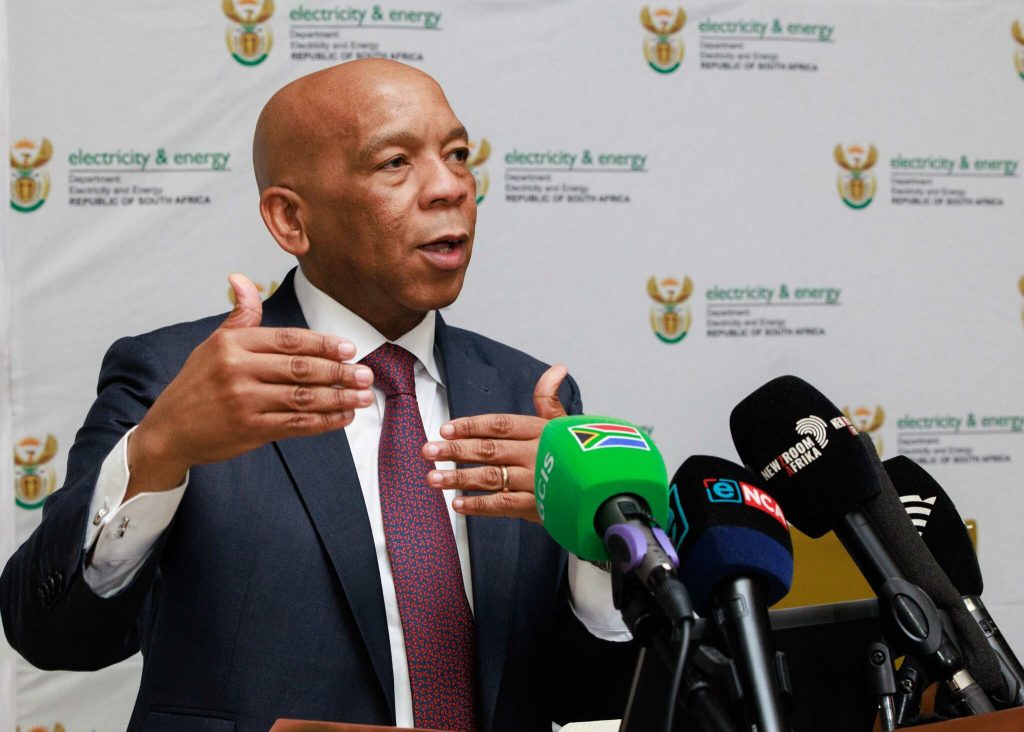
The recent announcement by South Africa’s Minister of Electricity, Dr. Kgosientsho Ramokgopa, regarding the revised electricity pricing policy marks a significant moment in the country’s energy landscape. This policy, currently in its draft phase, aims to address the evolving dynamics of electricity consumption and the ongoing challenges faced by both consumers and providers. As the country prepares for the formal gazetting of this policy, it is crucial to understand its implications and the context in which it has been introduced.
In recent years, South Africa has experienced dramatic shifts in electricity consumption patterns, largely driven by socio-economic changes and the pressing realities of energy supply constraints. The Minister highlighted these changes in a media briefing earlier today, emphasizing the necessity for a new pricing framework that reflects current realities. The last comprehensive electricity pricing policy was established in 2008, and since then, the landscape has evolved significantly, necessitating a fresh approach.
One of the primary factors driving the need for a revised policy is the changing consumption profile of households across different socio-economic strata. For instance, even in lower-income households, there is an increasing reliance on electricity for modern conveniences. Many now own multiple electronic devices, such as cellphones, televisions, and refrigerators—access to which was less common in 2008. This shift has placed additional pressure on the existing electricity supply system, which has struggled to keep pace with growing demand.
Conversely, wealthier households are beginning to diversify their energy sources, largely in response to the frequent power outages—commonly referred to as load shedding. As a result, many affluent consumers are investing in alternatives like rooftop solar panels, reducing their dependency on the national utility, Eskom. This trend is part of a broader movement towards a more decentralized energy model, reflecting a global shift in how energy is generated and consumed.
The introduction of a wholesale electricity market is another pivotal development. This change allows for multiple electricity generators to participate in the market, fostering competition and innovation. However, it also necessitates a clear and comprehensive pricing policy that governs how electricity is bought and sold in this new landscape. The proposed policy aims to establish these rules, ensuring that all market participants—ranging from large generators to small-scale residential users—are treated fairly and transparently.
One of the most alarming statistics shared during the briefing was the drastic increase in electricity tariffs since 2008, which have surged by approximately 907%. In contrast, inflation during the same period has only risen by about 150%. This disparity has created an untenable situation for many South Africans, eroding their disposable income and increasing the financial burden on households already grappling with economic challenges.
Key takeaways from the Minister’s briefing include the recognition of changing consumption patterns, the need for a pricing policy that reflects current realities, and the importance of establishing a competitive electricity market. These elements are crucial for creating a sustainable energy future for South Africa.
For traders and investors, these developments present both challenges and opportunities. As the government pushes for a more efficient and equitable pricing structure, there may be potential for investment in renewable energy sources and technologies. The growing trend towards solar energy, for instance, could offer attractive returns for those willing to engage in this sector. Investors should remain vigilant to how the formalization of this pricing policy unfolds, as it will likely influence the operational landscape for energy producers and consumers alike.
In conclusion, South Africa’s revised electricity pricing policy is a necessary response to the significant changes that have occurred since the last policy was implemented. By addressing the evolving dynamics of energy consumption and market participation, the government aims to create a more equitable and sustainable framework for electricity pricing. For consumers, this could mean relief from crippling tariff increases, while for investors, it presents new avenues for growth in a rapidly changing energy sector. As this policy progresses through the gazetting process, all stakeholders must stay informed and engaged with the developments that will shape the future of electricity in South Africa.