
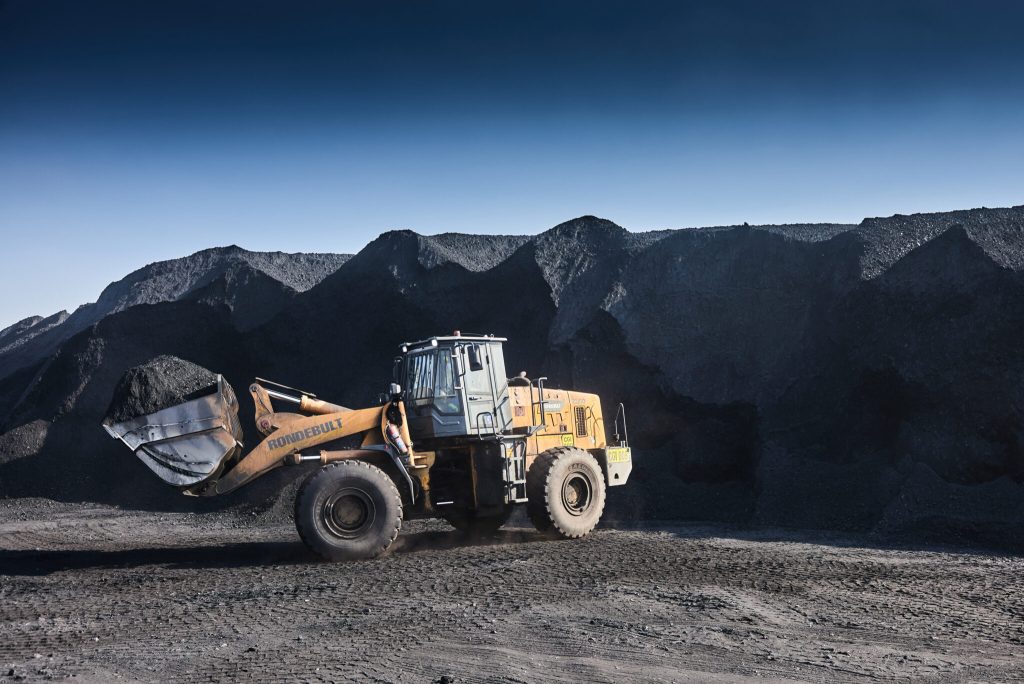
The coal industry, often under scrutiny for its environmental impact and economic viability, is witnessing a resurgence thanks to improved logistics and infrastructure performance. Recent financial results from Thungela Resources, one of the leading coal producers, indicate a remarkable recovery and suggest a brighter future for the sector. In this blog post, we will delve into the factors contributing to this resurgence, the implications for investors and traders, and what the outlook for coal might be in the coming months.
The coal market has faced numerous challenges over the years, including fluctuating prices, regulatory pressures, and shifting public perception regarding fossil fuels. However, recent data suggests a turning point, particularly for companies like Thungela Resources, which has reported impressive financial outcomes for the first half of 2026. Their headline earnings per share skyrocketed by 150% to reach R4.80, while the interim dividend nearly tripled, jumping from R2 to R5.50 per share. This financial upswing is not just a stroke of luck; it reflects a combination of strategic maneuvers and a favorable market environment.
A significant driver of Thungela’s success has been the improvement in the performance of Transnet Freight Rail (TFR), South Africa’s main rail freight operator. The company recorded a net profit of R1.4 billion, bolstered by a non-cash gain of approximately R1 billion from the sale of mining rights and the release of environmental provisions. These factors have allowed Thungela to optimize its operations and increase coal sales, despite production levels remaining steady during the same period.
The increase in export sales is particularly noteworthy. Thungela’s total export sales, including third-party coal, rose by around 12%, climbing from 6.6 million tonnes to 7.4 million tonnes. This growth is attributed to better rail services provided by TFR, which allowed Thungela to sell an additional 1.1 million tonnes of coal beyond what their own South African mines could produce. The company also managed to sell roughly 600,000 tonnes of third-party coal, highlighting the collaborative nature of the coal supply chain.
Despite these achievements, the rail performance still has room for improvement. TFR’s annualized performance on the coal corridor rose to 59.9 million tonnes, up from 56.8 million tonnes in the previous year. While this is an encouraging trend, it remains below historical levels. However, experts believe that with continued enhancements in rail logistics and management, TFR could reach its target of 75 million tonnes per year by 2028 or even earlier.
Jan Havenga, a logistics professor at Stellenbosch University, notes the positive changes within TFR under new management. He highlights innovative solutions being implemented, such as the redistribution of the locomotive fleet and new agreements with original equipment manufacturers. These strategies have also led to improvements in manganese exports, which have surged from 2 million tonnes to 16 million tonnes in recent years, with a target of 20 million tonnes on the horizon.
Despite the positive developments in the coal and manganese sectors, challenges persist, especially in container rail lines, which have yet to fully recover to pre-COVID levels. This discrepancy underscores the need for continued investment and focus on the logistics sector as a whole.
For traders and investors, the recent performance of Thungela Resources and the overall improvement in TFR present a compelling case for re-evaluating the coal industry. The combination of enhanced rail logistics and rising global coal prices offers an opportunity for potential growth. Investors should closely monitor the developments in this space, particularly how companies adapt to market demands and regulatory pressures.
In conclusion, the coal industry appears to be on a path to recovery, driven by improved rail performance and strategic operational decisions. While challenges remain, particularly in public perception and environmental scrutiny, the financial results from companies like Thungela Resources suggest that there is still value to be found in coal production. As we move forward, staying informed about the evolving landscape of the coal market will be key for investors looking to capitalize on potential opportunities. The coming months will be crucial in determining whether this resurgence can be sustained and what it means for the overall energy market.