
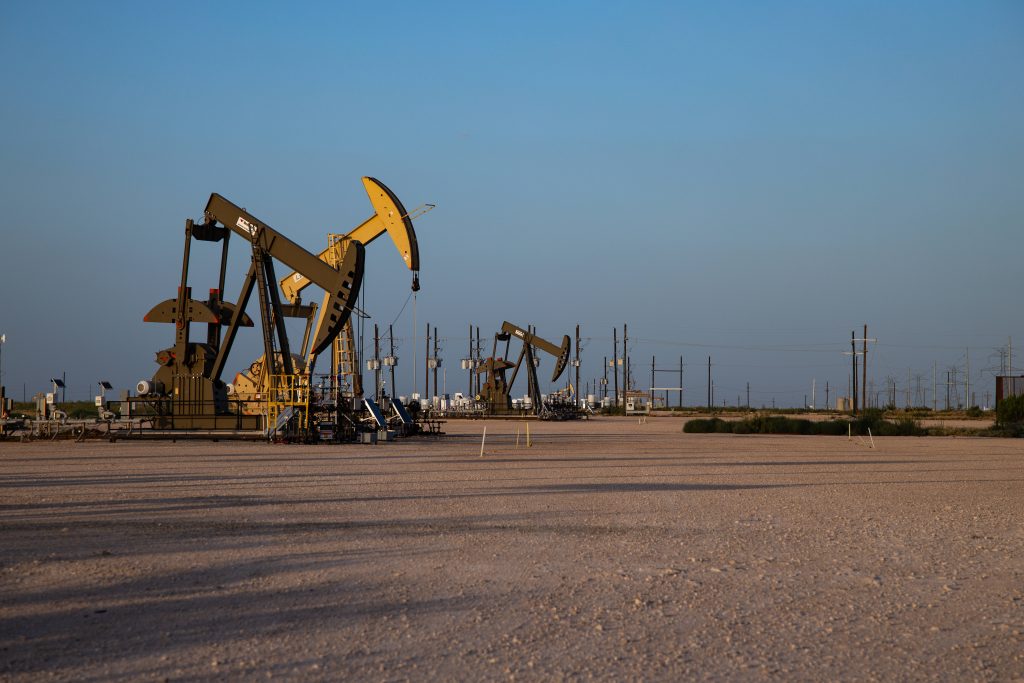
In recent weeks, oil prices have experienced a notable surge, marking a significant trend that investors should closely monitor. As geopolitical tensions between the United States and Iran continue to escalate, the market is responding to the uncertainty and potential supply disruptions. The implications of this rise in oil prices are far-reaching, affecting not only the energy sector but also inflationary pressures and overall economic stability.
As of now, Brent crude oil is nearing the $92 per barrel mark, having gained approximately 4.5% over the past few trading sessions. West Texas Intermediate (WTI), the primary benchmark for U.S. oil, is hovering around $86 per barrel. This upward trajectory has sparked concerns and speculation among traders and analysts alike, especially as U.S. President Donald Trump has confirmed that there are currently no negotiations taking place with Tehran regarding the ongoing conflict. The situation remains tense, particularly concerning the management of the crucial Strait of Hormuz, a vital waterway for oil transportation where Iranian and U.S. interests clash.
The backdrop of this oil price surge is rooted in the prolonged conflict between the U.S. and Iran that began in late February. As the situation remains unresolved, the potential for further disruptions looms large. The market is already feeling the ripple effects; the war between Russia and Ukraine has further tightened global energy markets, especially following attacks on key refineries. As a result, product prices—especially for diesel—have surged even more dramatically than crude oil, putting additional financial strain on a variety of sectors including transportation and agriculture.
Priyanka Sachdeva, the head of market insights at Phillip Nova Pte, noted that the next phase of oil price movements may be dictated less by sensational news headlines and more by the market’s apprehension of being on the wrong side of physical supply trades. Factors contributing to this sentiment include expected restrictions on oil flows through the Strait of Hormuz, which could lead to greater volatility in prices.
As the U.S. government signals its intention to increase economic sanctions against Iran, the stakes are high. Treasury Secretary Scott Bessent has indicated that a new package of stringent measures may be announced soon, which could further escalate tensions in the region. The United Arab Emirates (UAE), a key player in the Gulf region, has also announced the suspension of all trade and financial transactions with Iran, citing regional escalations. This move underscores the increasing isolation of Iran and the potential for further disruptions in oil supply routes.
Compounding these geopolitical factors is a concerning trend in U.S. oil inventories. The latest report from the American Petroleum Institute (API) revealed a modest draw in nationwide crude holdings, including at the critical hub in Cushing, Oklahoma. Additionally, stockpiles of distillates, which encompass diesel, are also reported to be declining. With global diesel markets facing significant tightness due to disrupted flows from the Middle East and Russia’s suspension of exports, the situation is poised to impact consumers and businesses alike.
The margin for refining oil into diesel has surpassed $100 per barrel in the U.S., setting record highs that could further elevate fuel prices. In Europe, gasoil prices have also seen an uptick, with futures climbing approximately 1% to $1,312.25 per ton, reflecting the broader trend of rising energy costs.
For traders and investors, the current landscape presents both opportunities and risks. The ongoing geopolitical tensions, combined with tightening supply and increasing demand, could create a volatile trading environment. Investors should remain vigilant and consider hedging strategies to mitigate potential losses from sudden price swings. Additionally, monitoring inventory levels and geopolitical developments will be crucial for making informed investment decisions.
In conclusion, the recent surge in oil prices serves as a reminder of the interconnectedness of global markets and the significant influence of geopolitical events. As tensions between the U.S. and Iran continue without resolution, the energy sector is likely to remain under pressure, with implications for inflation and economic stability. Stakeholders in the oil market must stay informed and agile to navigate the complexities of this evolving situation.