
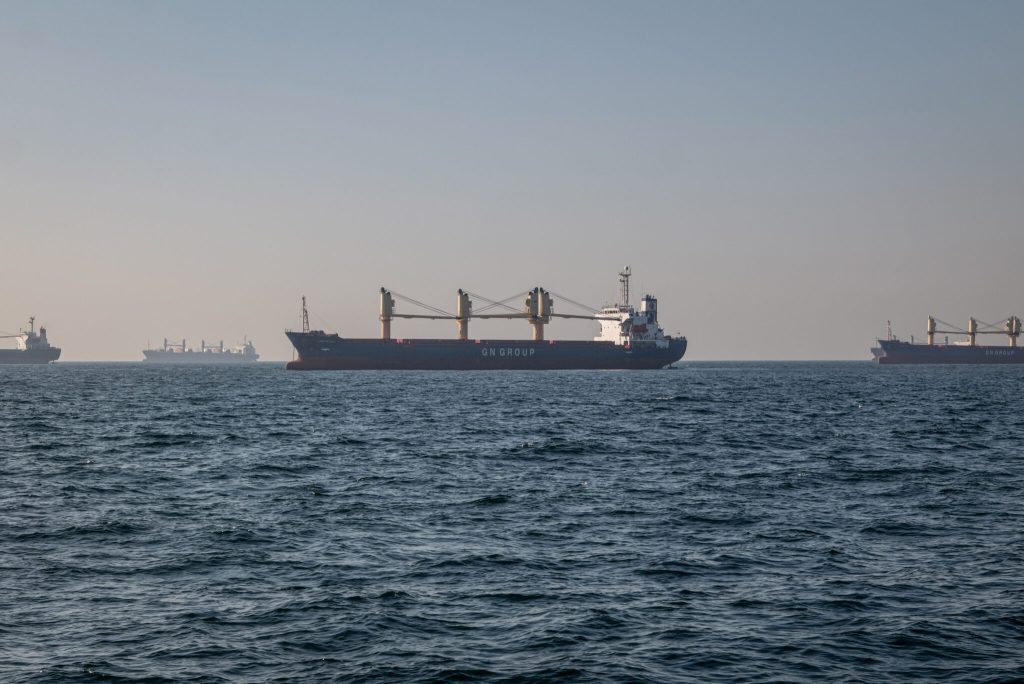
In recent weeks, the Black Sea region has become a battleground not only for military engagements but also for economic stability. The ongoing conflict between Russia and Ukraine has escalated to the point where commercial shipping, particularly grain exports, is now under direct threat. The increase in attacks on grain vessels near key Russian ports such as Novorossiysk and Tuapse has raised alarms about the potential ramifications for global food supplies and market dynamics. With both countries being significant players in the wheat market, this situation warrants a closer examination.
The Black Sea has traditionally served as a crucial corridor for grain shipments, with Russia and Ukraine collectively accounting for more than 25% of the world’s wheat exports. However, the recent spate of attacks is a clear indication that the geopolitical tensions in the region are now spilling over into commercial activities. According to reports from individuals familiar with the situation, five grain ships have already been targeted, raising serious concerns among traders and investors about the security of shipping routes.
These attacks mark a worrying escalation in hostilities, as they are the first confirmed incidents involving grain vessels in proximity to Russian ports. On a single Tuesday morning, four vessels were struck, while an additional ship was attacked the previous day. Notably, the Victoria V, a Russian-flagged bulk carrier, was targeted while preparing to load wheat at Novorossiysk. Another vessel, the Fehu, which had just departed from the same port with a cargo of wheat, was also hit but managed to continue its journey. Meanwhile, the Elina B, after loading a substantial quantity of wheat, fell victim to a drone strike, and the Necibe was attacked at Tuapse. The situation escalated further with the Anna S, a Liberian-flagged ship, suffering a drone strike that disabled it while en route to Novorossiysk.
The implications of these attacks are profound. Since July 10, drone assaults have effectively paralyzed shipments from Russia’s Azov Sea ports, which are responsible for a quarter of the nation’s grain exports. The recent attacks have prompted three terminals at Novorossiysk to suspend operations, marking one of the most severe disruptions seen since the onset of the conflict. This disruption comes at a critical time, as countries around the world are grappling with food security issues exacerbated by the COVID-19 pandemic and climate challenges.
For traders and investors in the agricultural commodities market, these developments signal a potential shift in pricing dynamics. With the uncertainty surrounding grain availability from Russia and Ukraine, market volatility could increase. Traders should closely monitor the situation, as further escalations might not only affect grain prices but also impact other commodities linked to agricultural production.
Several key takeaways emerge from this crisis. First, the vulnerability of global supply chains to geopolitical tensions is underscored. Stakeholders must recognize that conflicts can disrupt not just immediate trade but also longer-term market stability. Second, the importance of diversifying supply sources becomes evident. Countries reliant on grain imports from the Black Sea region may need to consider alternative suppliers or invest in domestic agricultural capabilities to mitigate risks. Lastly, investors should remain vigilant and adaptive, as the ongoing conflict could create both challenges and opportunities in the commodities market.
For traders and investors, this crisis serves as a reminder of the interconnectedness of global markets and the potential for unforeseen events to disrupt established patterns. It is crucial for market participants to stay informed about geopolitical developments and adjust their strategies accordingly. Risk management practices, including hedging and diversification, should be prioritized to navigate the uncertainties that lie ahead.
In conclusion, the attacks on grain ships in the Black Sea represent a critical juncture for global food supply and market stability. As the conflict between Russia and Ukraine continues to evolve, its implications for international trade cannot be overstated. Stakeholders in the agricultural sector must remain vigilant and proactive in addressing the challenges posed by this ongoing crisis, as the ripple effects may extend far beyond the immediate region. The world is watching closely, and the next moves by both nations will undoubtedly shape the future of global grain markets.