
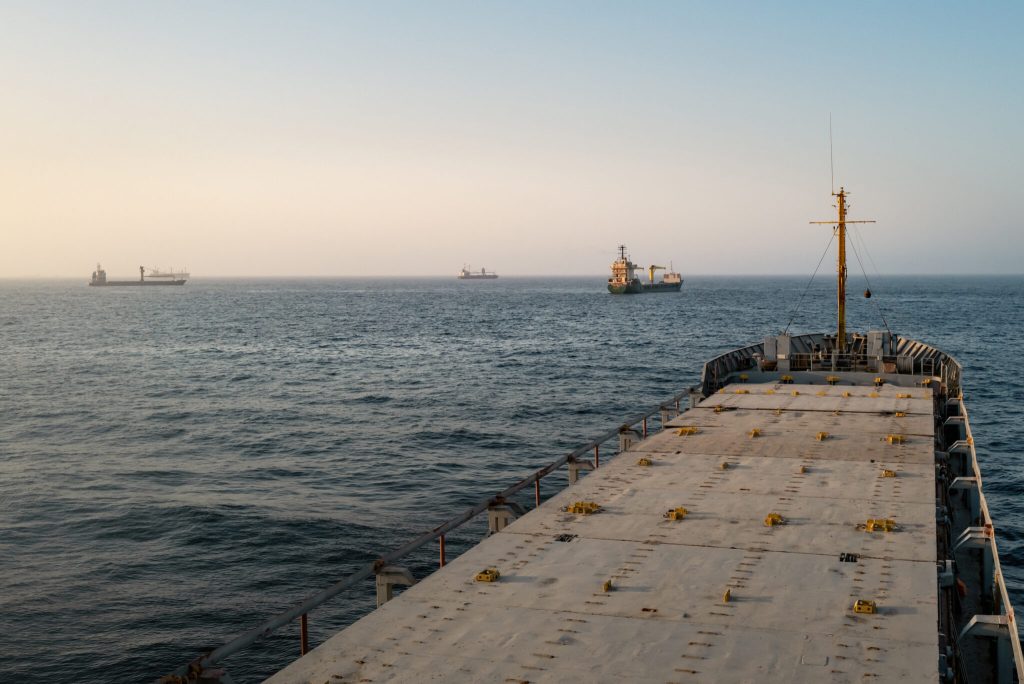
As the geopolitical landscape in the Middle East continues to evolve, the Strait of Hormuz remains a critical focal point for global oil transportation and international diplomacy. Recent statements from U.S. President Donald Trump have shed light on the current state of affairs between the United States and Iran, leaving many investors and analysts pondering the implications for oil prices and trade routes.
The Strait of Hormuz is a narrow passage that connects the Persian Gulf to the Gulf of Oman, serving as a vital corridor for approximately 20% of the world’s oil and liquefied natural gas shipments. With tensions between the U.S. and Iran escalating, the stability of this waterway is paramount not only for regional security but also for the global economy.
Recent events have thrust the region into uncertainty. President Trump has asserted that there are currently no ongoing discussions with Iran regarding the Strait of Hormuz or broader diplomatic relations. This comes in the wake of a memorandum of understanding signed in June, which aimed to facilitate negotiations for a peace deal between the two nations. However, that agreement has expired without any plans for renewal, leaving the situation precarious. The U.S. administration’s lack of dialogue with Iran raises concerns about the future of trade, navigation, and overall security in the region.
The United Arab Emirates (UAE) has taken a significant step in response to escalating hostilities, announcing a halt to trade and financial transactions with Iran. This decision follows Iran’s reported missile attacks targeting the UAE, marking an alarming shift in the already fragile dynamics of Middle Eastern relations. Although Iranian officials have denied involvement in these missile launches, the damage has been done, and confidence in regional stability is waning.
Amid this backdrop, oil prices have seen a notable increase, with Brent crude surpassing $91 a barrel. The market’s reaction reflects heightened concerns over the potential disruption of oil flows through the Strait of Hormuz. Historically, any threat to this critical maritime corridor has resulted in spikes in crude prices, as traders brace for the possibility of supply constraints.
Key Points to Consider:
1. **Increased Oil Prices**: The price of Brent crude has risen significantly amid fears of conflict and instability in the region. Investors should keep a close watch on these price movements as they can greatly affect profitability and investment strategies in oil-related sectors.
2. **Trade Disruptions**: With the UAE suspending trade with Iran, the economic ramifications may extend beyond the two nations, impacting global supply chains and trade routes. Companies reliant on Middle Eastern oil should prepare for potential disruptions and consider diversifying their sources.
3. **Geopolitical Risks**: The ongoing tensions between the U.S. and Iran present a complex risk landscape for investors. The lack of dialogue and rising military threats could lead to further escalations, necessitating careful risk management strategies.
4. **Shipping Safety Concerns**: Recent incidents involving attacks on vessels in the Strait of Hormuz have raised serious concerns about the safety of maritime transportation. Shipping companies may need to adjust routes or enhance security measures to safeguard their operations.
Investor Insights:
For traders and investors, the situation in the Strait of Hormuz underscores the importance of geopolitical awareness in decision-making. Economic indicators and oil prices will likely remain volatile as the situation develops. Monitoring news updates and understanding the implications of diplomatic relations can provide valuable context for investment strategies.
Moreover, investors should consider the potential for increased military presence from the U.S. and its allies in the region, which could impact shipping routes and safety. Diversifying investment portfolios to include assets that may perform well in times of geopolitical uncertainty, such as gold or defense stocks, may also be prudent.
In conclusion, the Strait of Hormuz represents more than just a vital shipping lane; it is a barometer of international relations and economic stability. As tensions between the U.S. and Iran persist, the global oil market will remain closely tied to developments in this region. Investors must navigate these turbulent waters with caution, arming themselves with knowledge and strategic foresight to mitigate risks and capitalize on opportunities in an ever-changing landscape.