
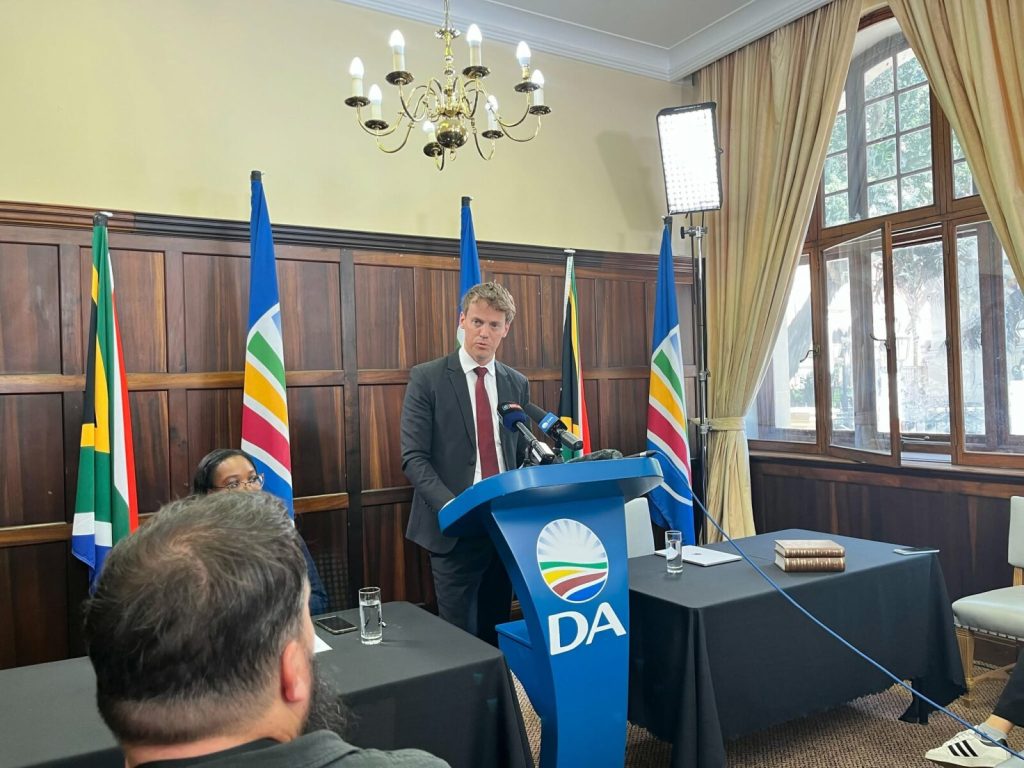
In recent weeks, the political landscape in South Africa has been rocked by allegations of financial misconduct involving a prominent member of the Democratic Alliance (DA). Mark Burke, a senior Member of Parliament and chair of a fintech company, has found himself at the center of a storm following explosive claims that his company, Kastelo, engaged in systematic violations of the country’s exchange control regulations. With the potential for vast implications for both Burke and the DA, this situation raises critical questions about financial ethics and governance in the political arena.
At the heart of these allegations is Kastelo, a fintech and cryptocurrency arbitrage trading provider that has been accused of externalizing a staggering R4 billion unlawfully. This situation escalated after the Johannesburg High Court dismissed Kastelo’s appeal to unfreeze its bank accounts, which had been frozen as part of an investigation by the South African Reserve Bank (SARB). The court’s decision, delivered by Acting Judge S. Johnson, not only denied Kastelo’s request but also imposed punitive costs on the company, indicating the seriousness of the charges it faces.
The SARB’s investigation, which has been described as thorough and revealing, paints a troubling picture of financial operations that go beyond mere regulatory oversights. According to a significant affidavit from a Reserve Bank investigator, there is compelling evidence to suggest that Kastelo misused its clients’ allowances to facilitate the movement of funds offshore for its own gain. Specifically, it alleges that the company exploited clients’ single discretionary allowances and foreign investment allowances without their knowledge, opening offshore accounts in their names and misrepresenting its compliance activities to the central bank.
The implications of these allegations are profound, particularly given Burke’s role within the DA. As the party’s federal finance chair, he is responsible for overseeing internal financial controls and ensuring accountability within the organization. His involvement in a company accused of such serious financial improprieties raises significant ethical questions, especially for a political party that positions itself as a champion of transparent governance and financial discipline.
The Economic Freedom Fighters (EFF), a rival political party, has been quick to seize upon these developments, accusing the DA of hypocrisy. The EFF has characterized the allegations against Burke as not merely administrative errors but as serious financial crimes involving unauthorized use of clients’ funds and deception aimed at the central bank. They argue that such actions contradict the DA’s self-proclaimed commitment to clean governance, leaving the party vulnerable to accusations of moral and ethical failures.
Moreover, the African National Congress (ANC) has joined the chorus calling for Burke’s immediate removal from any finance-related parliamentary committees, highlighting the gravity of the situation and the potential for reputational damage to the DA. This political pressure underscores how financial misconduct allegations can ripple beyond individual accountability, affecting party dynamics and public trust in political institutions.
As the investigation unfolds and the scrutiny intensifies, several key points emerge for traders and investors to consider. First, the allegations against Kastelo point to the risks associated with investing in fintech companies that may operate in regulatory gray areas. Investors should remain vigilant and conduct thorough due diligence when engaging with such firms, particularly in sectors vulnerable to regulatory changes.
Second, the situation serves as a stark reminder of the importance of ethical governance in both political and corporate arenas. The fallout from these allegations could resonate within the broader context of South Africa’s political landscape, influencing public perceptions of financial integrity and accountability.
Lastly, for traders and investors, this scenario illustrates the interconnectedness of finance and politics. The actions of political figures can have far-reaching consequences for the markets and investment climates, making it essential to stay informed about potential political risks when making financial decisions.
In conclusion, the allegations surrounding Mark Burke and Kastelo represent a significant moment in South Africa’s financial and political landscape. As the investigation by the SARB progresses, the implications for Burke, the DA, and the fintech sector will likely continue to unfold. For investors, this situation serves as a crucial reminder to prioritize ethical considerations and regulatory compliance while navigating the complex interplay between finance and politics. The outcome of this case may very well shape future governance standards and investor confidence in South Africa’s evolving financial landscape.