
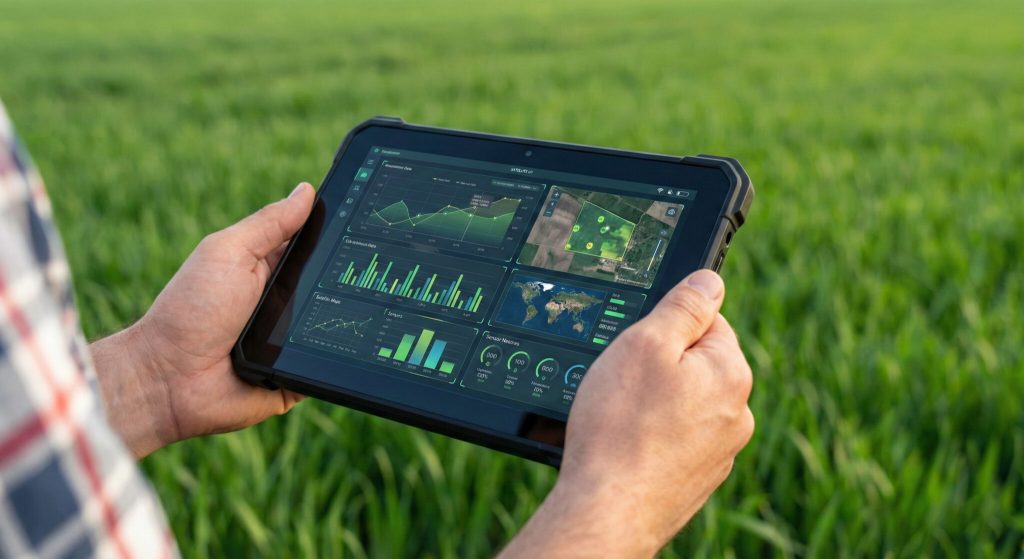
In an era where technology permeates every facet of life, agriculture is no exception. The adoption of innovative farming techniques is transforming traditional practices into more efficient, data-driven operations. One of the most significant advancements in this realm is precision agriculture, a concept that is rapidly gaining traction among farmers worldwide. This blog post will delve into the principles of precision agriculture, its practical applications, and the potential benefits it offers to farmers and investors alike.
Precision agriculture, often referred to as smart farming, is a modern agricultural management approach that leverages technology to optimize field-level management regarding crop farming. By employing various tools and techniques, farmers can collect vast amounts of data related to soil health, crop conditions, and environmental factors. This data is then analyzed to make informed decisions that enhance productivity while promoting sustainability.
At its core, precision agriculture integrates several cutting-edge technologies, including GPS, drones, sensors, and data analytics software. By harnessing these technologies, farmers can monitor and manage their crops and livestock with unparalleled precision. For instance, in crop production, precision agriculture can streamline processes such as planting, irrigation, fertilization, and harvesting. In livestock management, it enhances animal health monitoring, feed efficiency, and environmental condition tracking.
One of the most compelling aspects of precision agriculture is its ability to provide actionable insights through data analysis. Consider the example of a fruit orchard or vineyard. By utilizing drone technology in conjunction with global positioning systems (GPS) and geographic information systems (GIS), farmers can generate highly accurate maps of their fields. These maps allow them to monitor soil moisture levels, nutrient content, and even crop health. By analyzing these data points, farmers can make better decisions regarding irrigation schedules, fertilization practices, and pest control measures.
The financial implications of precision agriculture are noteworthy. Many farmers are discovering that the implementation of precision techniques can lead to increased profit margins. While initial investments in technology may seem daunting, the potential for improved efficiency and lower operational costs often outweighs these expenses. By optimizing resource use—such as water, fertilizers, and pesticides—farmers can not only enhance their yields but also reduce waste, ultimately leading to greater financial sustainability.
Key takeaways from the rise of precision agriculture include:
1. **Enhanced Decision-Making**: The integration of data analytics into farming operations allows for more informed decisions, leading to improved crop management and resource allocation.
2. **Increased Productivity**: Precision agriculture can lead to higher yields by ensuring that crops receive the right amount of nutrients and water at the right times.
3. **Cost Reduction**: By optimizing resources, farmers can decrease their operational costs, which contributes to better profit margins and overall financial health.
4. **Sustainability Focus**: This approach not only boosts profitability but also emphasizes sustainable farming practices, ensuring that agricultural activities do not deplete natural resources.
For traders and investors, the implications of precision agriculture are significant. As the agricultural sector increasingly embraces technology, companies that develop and provide precision farming tools and services are likely to experience growth. Investing in agricultural technology firms can be a lucrative opportunity, especially as demand for sustainable and efficient farming practices rises. Additionally, investors may want to consider supporting initiatives that promote precision agriculture education and training, as the successful implementation of these techniques requires a skilled workforce.
In conclusion, precision agriculture represents a paradigm shift in farming methodologies, combining technology and data to foster better decision-making, increased productivity, and enhanced profitability. As the agricultural landscape continues to evolve, embracing these innovations will be crucial for farmers seeking to thrive in an increasingly competitive market. For investors and traders, recognizing the potential of this sector could lead to profitable opportunities in the years to come. The future of farming is here, and it is driven by data.