
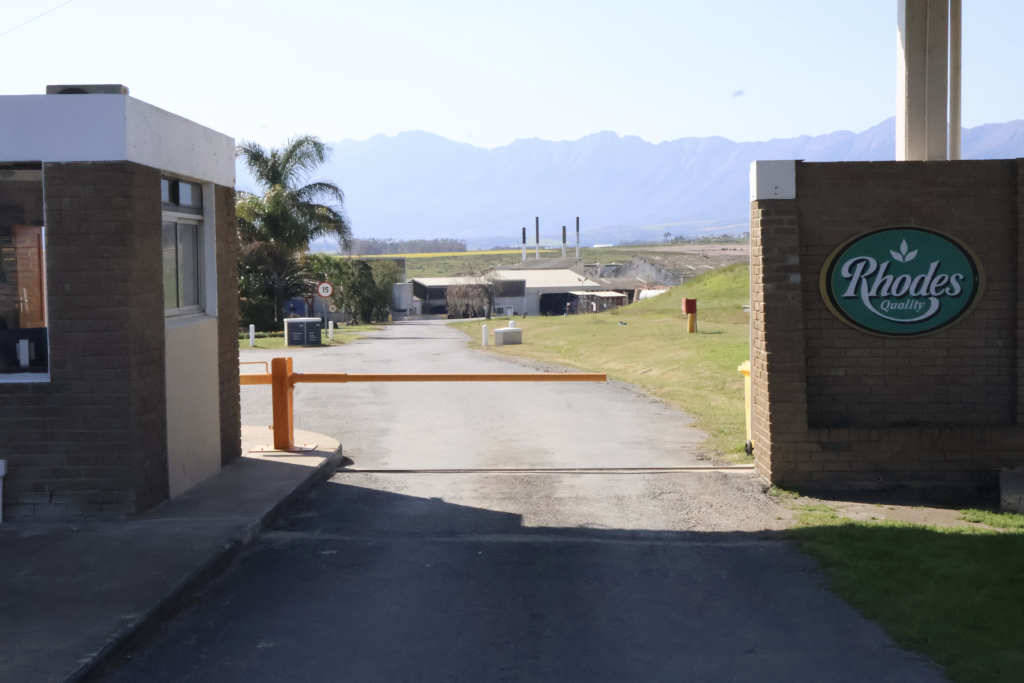
The small town of Tulbagh, nestled in the picturesque Western Cape of South Africa, has long been synonymous with its fruit canning factory, a critical economic engine for the community. For over seven decades, the factory has dictated the rhythm of life for its residents, shaping their work schedules, shopping habits, and even family meals. However, the recent announcement of its impending closure by Premier Group has sent shockwaves through this tight-knit community, raising severe concerns about job losses and the potential erosion of a way of life that many have cherished for generations.
The factory has been a beacon of employment since its inception in 1954. It has provided jobs not only for residents of Tulbagh but also for individuals from surrounding areas such as Gouda, Wolseley, and Saron, as well as workers traveling from as far as the Eastern Cape. According to the Congress of South African Trade Unions (Cosatu), the facility employs over 3,500 people, with the majority holding seasonal or fixed-term contracts. These workers rely heavily on the factory’s operational calendar, which revolves around the harvest seasons for various fruits like apricots, peaches, pears, and guavas.
In March, Premier Group acquired the plant from Rhodes Food Group, generating hope for a revitalization of the factory. However, that optimism was short-lived as the company soon announced plans for closure, just as the fruit season is about to commence in November. The management cited the unsustainable nature of the business model, primarily due to a significant decline in global demand for canned fruit, which accounts for approximately 90% of the factory’s output. This decision not only threatens the livelihoods of thousands of workers but also impacts the broader economic stability of Tulbagh.
The implications of this closure extend far beyond the factory gates. Workers are already expressing fears about job security; some have reportedly lost their positions. Furthermore, approximately 2,000 agricultural workers face similar uncertainties as their roles are closely tied to the factory’s operations. Local producers are now scrambling to find alternative solutions in the face of an impending fruit season. Community organizers are witnessing a surge in requests for basic necessities, as families brace themselves for potential hardships. Local businesses, taxi operators, and informal traders are equally concerned, as their revenues are closely linked to the economic activity generated by factory workers.
The story of Siya Ndzongana, a long-time factory worker and union representative, exemplifies the personal stakes involved. Employed since 2010, Siya’s entire family has ties to the factory, with his father having worked there before him. The factory has not only provided him with a livelihood but has also been a cornerstone of his family’s economic stability for decades. As uncertainties loom, Siya and many others in similar positions are left to grapple with the distressing reality of an uncertain future.
Key takeaways from this unfolding situation include the fragility of local economies that rely heavily on single industries and the cascading effects that arise from job losses. The potential closure of the Tulbagh factory serves as a stark reminder of the interconnectedness of regional economies and the importance of diversifying economic activities to ensure resilience in the face of market fluctuations.
For traders and investors, the situation presents a complex landscape. While the immediate focus may be on the factory’s closure, it raises questions about the broader impact on the agricultural sector and related industries. Investors should consider the long-term implications of declining demand for canned fruit, as well as the potential ripple effects on local supply chains and community stability.
In conclusion, the potential closure of the Tulbagh fruit canning factory is not merely an economic issue; it is a poignant reminder of the human stories behind industrial operations and the profound effects such decisions can have on communities. As the situation continues to evolve, the residents of Tulbagh are left to navigate a complex landscape of uncertainty, while the industry grapples with the challenge of adapting to shifting market demands. This scenario underscores the need for robust economic planning and support for affected communities, emphasizing the importance of sustainable practices that can help protect livelihoods and ensure future prosperity.