
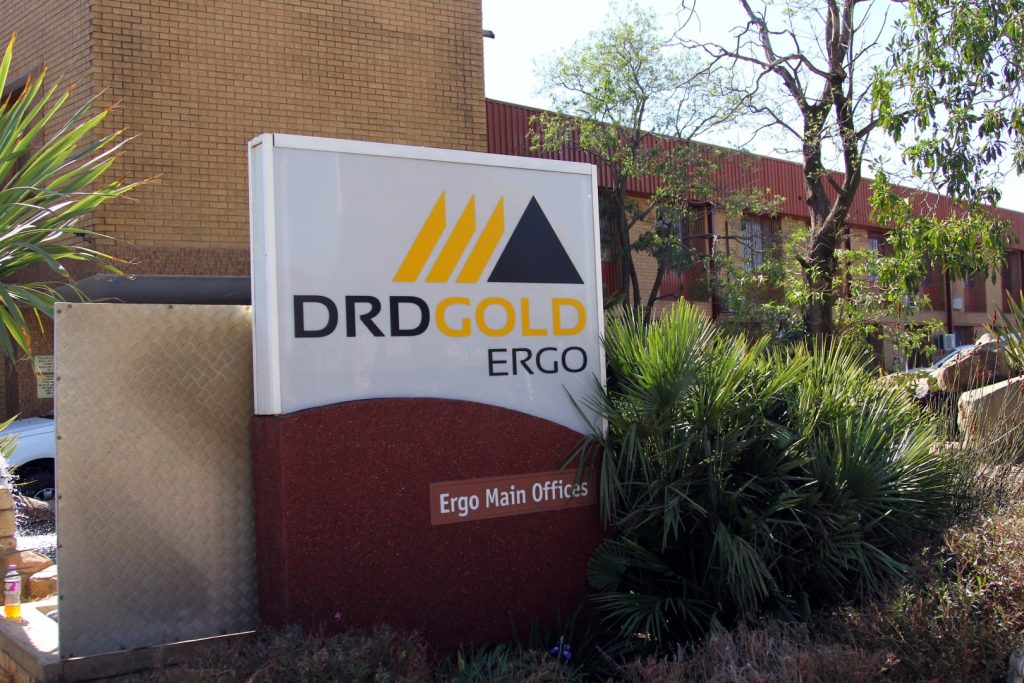
In the ever-evolving world of finance, understanding market dynamics is crucial for making informed investment decisions. Recently, various companies and analysts have provided insights that highlight the current economic landscape in South Africa, particularly focusing on DRDGold and Cashbuild, along with inflation trends presented by Investec. This blog post will delve into these critical updates, offering investors actionable insights and an overview of the prevailing financial climate.
DRDGold, a prominent player in the gold mining sector, has reported a significant surge in earnings, a piece of news that is certainly turning heads in the investment community. The company has managed to navigate the challenges faced by the mining industry, utilizing innovative strategies to bolster its performance. The earnings increase can be attributed to several factors, including higher gold prices and improved operational efficiencies. Investors often look for companies that not only show resilience but also demonstrate a capacity for growth despite market fluctuations. DRDGold’s recent results exemplify this kind of resilience, making it an attractive option for those looking to invest in commodities.
On a different note, Cashbuild, a leading retailer in building materials and home improvement products, has issued a cautious outlook as it anticipates a decline in headline earnings per share (Heps). This forecast comes amid a challenging retail environment where consumer spending has shown signs of restraint. Cashbuild’s expectation of lower earnings reflects broader economic pressures, including inflation and potential decreases in consumer confidence. For investors, this situation serves as a reminder of the importance of diversifying their portfolios to mitigate risks associated with specific sectors.
Speaking of inflation, recent data from July has revealed that South Africa’s inflation rate has come in below expectations at 4.3%. Tertia Jacobs from Investec provided an in-depth analysis of this figure, shedding light on the key contributors to the softer inflation print. The lower-than-expected rate offers some relief, especially for consumers and businesses alike, as it suggests that price pressures may not be as severe as previously anticipated. Factors influencing this decline include fluctuations in food prices and a relative stabilization in fuel costs, both of which are vital components of the consumer price index.
One of the implications of this softer inflation rate is its effect on interest rates. Lower inflation often builds a case for maintaining current rates, which can have a stabilizing effect on the economy. For traders and investors, understanding the relationship between inflation and interest rates is critical, particularly when considering fixed-income investments or stocks sensitive to borrowing costs.
Furthermore, Matthew Simpkins, COO of Lending at Merchant West, has introduced a noteworthy asset-backed note program valued at R5 billion. This financial instrument is designed to provide investors with an opportunity to engage in the lending market while securing their investments against tangible assets. Such programs can appeal to risk-averse investors who seek stable returns without exposing themselves to excessive volatility.
Key takeaways from these updates emphasize the importance of being aware of both macroeconomic trends and individual company performance. Investors should keep an eye on companies like DRDGold that demonstrate strong earnings potential, while also considering the implications of retail sector forecasts from firms like Cashbuild. Moreover, understanding inflation dynamics and interest rates is crucial for navigating investments effectively.
For traders, the current environment presents both challenges and opportunities. With inflation trends indicating a potential stabilization, there may be strategic advantages in sectors that benefit from steady interest rates. Additionally, the asset-backed note program from Merchant West offers a unique avenue for those looking to diversify their investment strategies with lower risk exposure.
In conclusion, the financial landscape in South Africa is marked by significant developments across various sectors. From DRDGold’s impressive earnings to Cashbuild’s cautious outlook and the intriguing dynamics of inflation, investors must remain vigilant and informed. By analyzing these trends, traders and investors alike can better position themselves to make savvy financial decisions that align with their long-term goals. Staying updated on market insights and adapting strategies in response to economic indicators will be key in navigating this complex environment successfully.