
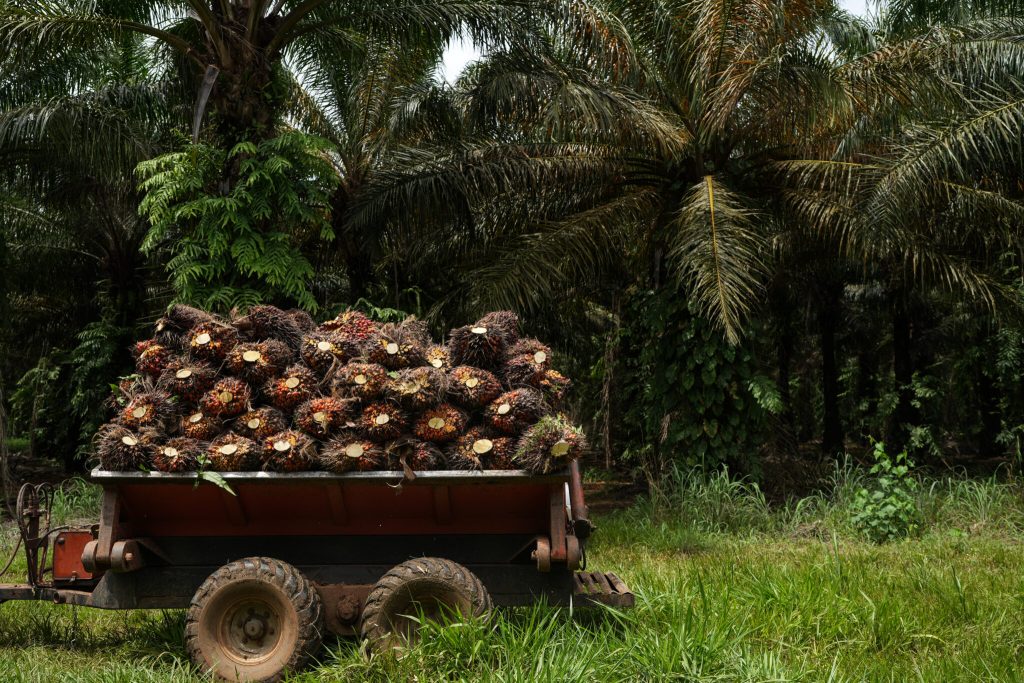
In recent weeks, palm oil has experienced a significant surge, reaching its highest price point in almost two years. This increase can be attributed to a combination of rising demand for biofuels and production concerns linked to the ongoing El Niño weather phenomenon. As investors and traders closely monitor these developments, understanding the factors driving palm oil prices is essential for making informed decisions in this volatile market.
Palm oil is a versatile commodity, used not only in cooking but also as a key ingredient in biofuels and various industrial applications. As the world becomes increasingly focused on renewable energy sources, the demand for palm oil as a biofuel has escalated. This trend is especially pronounced in Indonesia, the largest producer of palm oil globally, which recently initiated its ambitious B50 biofuel mandate. This policy aims to incorporate 50% biofuel into diesel, effectively diverting a larger portion of palm oil production away from food markets and towards energy production. While this shift is intended to promote environmental sustainability, it also poses challenges for global supply, potentially constraining exports from Indonesia.
Compounding this situation are the adverse weather conditions associated with the El Niño phenomenon. Farmers in Indonesia and Malaysia, the second-largest producer, are grappling with a dry spell that is expected to impact palm oil yields. El Niño typically brings drier-than-normal conditions to much of Southeast Asia, which can significantly hinder agricultural output. As a result, both countries are facing mounting production risks that threaten to limit the availability of palm oil on the global market.
According to the US Department of Agriculture, global palm oil reserves are projected to dip to their lowest levels in nearly a decade by the 2026-27 season. This forecast underscores the potential for escalating prices as supply struggles to keep pace with demand. On Thursday, futures in Kuala Lumpur rose by as much as 0.7%, reaching 4,927 ringgit per ton—the highest intraday level since December 2024. This rally in palm oil prices coincides with a broader uptick in the prices of other staple crops, such as corn and sugar, which may further exacerbate food inflation concerns.
The geopolitical landscape also plays a role in the palm oil market. Recent attacks in the Black Sea region have led to significant disruptions in crop exports from Ukraine and Russia, both of which are major suppliers of sunflower oil. As buyers search for alternatives, many are turning to palm oil and other vegetable oils to fill the gap left by the reduced sunflower oil supply. This shift in consumer behavior further supports the upward momentum of palm oil prices.
While the current price surge may appear promising, several factors could limit the extent of future increases. For instance, a strengthening Malaysian ringgit may put downward pressure on palm oil prices, making exports more expensive. Additionally, competitive pricing from soybean oil could provide consumers with alternatives that may temper demand for palm oil.
For traders and investors looking to navigate this dynamic market, there are several key takeaways to consider. Firstly, the interplay between biofuel mandates and agricultural production will be crucial in shaping palm oil supply and demand dynamics. Keeping an eye on policy developments in major producing countries like Indonesia will be essential for anticipating market shifts. Secondly, understanding the implications of weather patterns and climate phenomena like El Niño will provide valuable insights into potential production risks. Lastly, monitoring geopolitical developments, particularly in regions that impact global oil supply chains, will be vital for assessing the overall market landscape.
In conclusion, palm oil prices are on the rise, driven by a combination of increasing biofuel demand and production risks linked to adverse weather conditions. For investors and traders, this market presents both opportunities and challenges. As global supply dynamics continue to evolve, staying informed about key factors influencing prices will be crucial for making strategic decisions. As we move forward into an uncertain economic landscape, the palm oil market will remain a focal point for those looking to capitalize on agricultural commodities.