
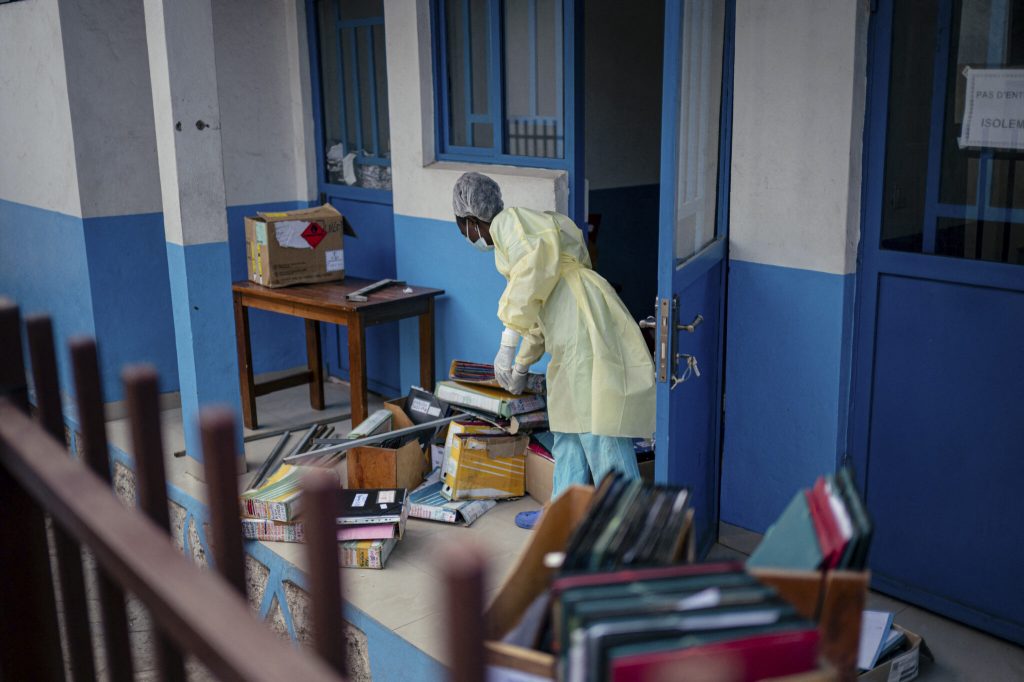
The ongoing Ebola outbreak in the Democratic Republic of Congo (DRC) has escalated significantly since its inception, raising alarms not only for public health but also for the economic landscape of the region. As the virus spreads beyond its original epicenter in Ituri province, the situation is becoming increasingly dire, overwhelming healthcare resources and threatening to destabilize local economies. In this blog post, we will explore the current state of the outbreak, its implications for traders and investors, and the broader economic consequences that are unfolding as a result.
The DRC has been grappling with multiple outbreaks of Ebola over the years, but the latest surge, which began in early 2026, is alarming in its rapid transmission. Recent reports indicate that confirmed cases have surged to 5,208, with a staggering 2,476 confirmed deaths, resulting in a case-fatality rate of 47.5%. This catastrophic outbreak has spread into North Kivu and Haut-Uélé provinces, with Tshopo seeing an even sharper increase in infections. The government has reported that the number of affected health districts has now reached 56, indicating a widespread crisis that poses significant challenges to healthcare infrastructure.
A critical issue arising from this outbreak is the strain it is placing on healthcare resources. In North Kivu, treatment facilities have been operating above capacity, leading to shortages in essential medical supplies, ambulances, and properly equipped treatment centers. For instance, Wamba has reported four times as many confirmed patients as available beds, illustrating the urgent need for enhanced healthcare capacity. In Haut-Uélé, only one out of seven treatment centers meets the required standards, exacerbating the situation. The lack of adequate resources threatens not only the lives of those infected but also the efficacy of efforts to contain the virus.
Furthermore, the government’s response efforts have been hampered by a range of logistical challenges. Surveillance and infection control measures have proven inadequate, particularly in Bas-Uélé province, where fewer than 20% of identified contacts were reached for monitoring. This delay in detection is critical, as it allows for further community transmission of the virus, complicating containment strategies. Efforts have been made to address these shortcomings; the World Health Organization (WHO) is deploying additional epidemiologists, while over 500 community health workers are engaged in contact tracing and public outreach.
The outbreak’s ramifications extend beyond the immediate health crisis. With schools classified as high risk in 18 educational districts—encompassing approximately 2,890 schools—the upcoming school year is severely disrupted. This interruption in education not only impacts students and families but also has far-reaching implications for the local economy. Education is a cornerstone for economic development; when schools close, the potential for a skilled workforce diminishes, leading to longer-term economic challenges.
From a financial perspective, traders and investors must consider the potential fallout from such an outbreak. The DRC’s economy is heavily dependent on sectors like mining, agriculture, and trade. Prolonged disruptions in these sectors due to health crises can lead to decreased productivity, supply chain interruptions, and reduced foreign investment. Investors may need to reassess their risk profiles and consider diversifying their portfolios to mitigate exposure to regions affected by such public health emergencies.
In addition, the health crisis may lead to increased government spending on healthcare and emergency response, potentially straining public finances. This shift in budget priorities could affect other areas of economic investment, which may lead to slower growth. Investors should remain vigilant and monitor the situation closely, as the economic landscape can change rapidly in response to health crises.
In conclusion, the escalating Ebola outbreak in the DRC is not just a humanitarian crisis; it has profound implications for the economic stability of the region. The overwhelming pressure on healthcare systems, combined with the disruption to education and local economies, poses significant challenges for traders and investors alike. As the situation evolves, stakeholders must stay informed and be prepared to adapt their strategies in response to this ongoing crisis. Understanding the multifaceted impacts of such outbreaks can lead to more informed decision-making in the financial arena, ultimately helping to navigate these turbulent waters.