
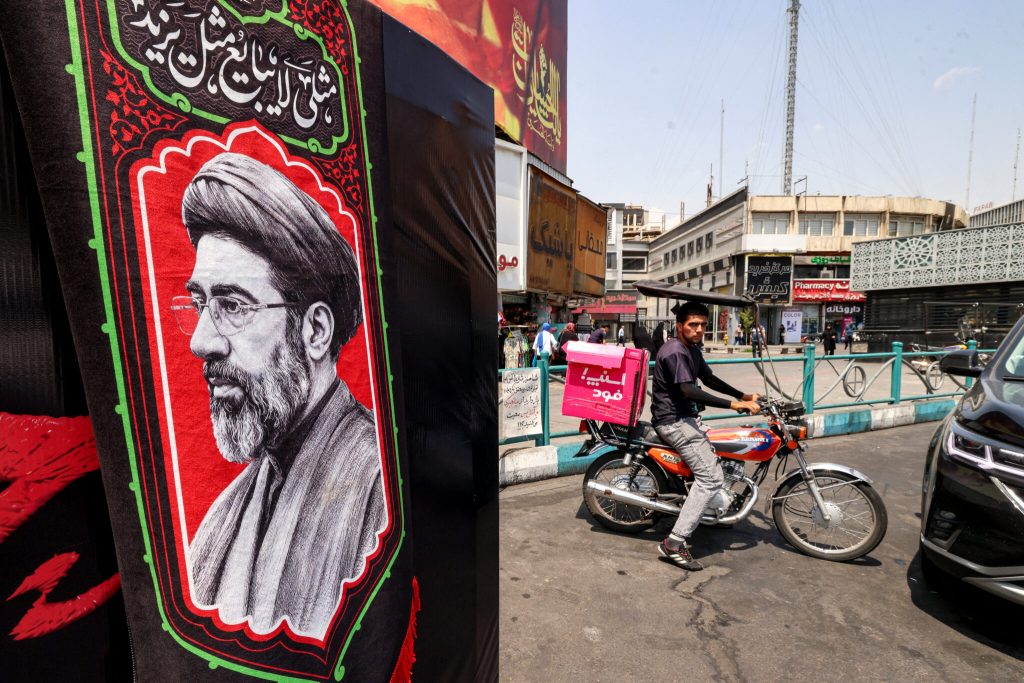
In a bold declaration that echoes through the corridors of international finance and diplomacy, President Donald Trump has proclaimed an “ECONOMIC D-DAY” against Iran, reflecting escalating tensions and frustrations with the nation’s resistance to U.S. demands. This significant announcement not only underscores the geopolitical stakes involved but also highlights the intricate web of global trade relationships that could be impacted, particularly focusing on the crucial role of China as Iran’s primary oil buyer. The implications of these developments extend far beyond the borders of the involved nations, resonating through global markets and impacting investor strategies.
As tensions between the United States and Iran continue to rise, the world watches closely to understand the potential consequences of Trump’s threats. With military actions and a stringent blockade already in place, the U.S. administration is considering new economic measures to exert pressure on Tehran. Although specific actions have yet to be unveiled, the language of Trump’s warning—aimed particularly at nations that maintain economic ties with Iran—suggests a strategic shift towards economic warfare, targeting Iran’s trading partners. The most notable among these is China, which imports a significant portion of Iran’s oil exports.
Understanding the Current Landscape
The situation is fraught with complexity. Trump’s declaration follows a series of military strikes and sanctions aimed at crippling Iran’s economy. With the U.S. military stretched thin and facing logistical challenges, turning to economic sanctions appears to be a tactical pivot to achieve desired outcomes without escalating military engagement further. However, the challenge lies in identifying effective measures that can be implemented without encountering counterproductive backlash from international allies or key trading partners.
Trump’s rhetoric emphasizes a call to action for U.S. allies to join in isolating Iran, framing the issue as a collective effort to address a perceived global threat. This approach, however, comes with significant risks. Targeting Iran’s oil sales could provoke a confrontation with China, a vital economic player whose cooperation the U.S. seeks, especially in light of ongoing negotiations regarding trade tariffs. The potential for a miscalculation here is considerable, as the stakes are high for both nations.
Key Points to Consider
1. **Economic Warfare vs. Military Action**: The shift from military to economic measures signifies a recognition of the limitations of military force and highlights the growing importance of economic leverage in international relations.
2. **China’s Role**: As a major importer of Iranian oil, China stands at the center of this confrontation. The U.S. threats to impose consequences on any nation that supports Iran could lead to a significant economic rift not just with Iran, but also with China, raising questions about the stability of future trade agreements.
3. **Impact on Regional Alliances**: The recent severance of economic ties between the United Arab Emirates and Iran signals shifting alliances in the Gulf region, aligning with U.S. interests but also revealing the complexities of regional politics and economics.
4. **Historical Context**: Iran has endured sanctions for decades, demonstrating resilience in the face of economic pressures. However, the current landscape is different, marked by heightened tensions and a U.S. administration willing to impose stricter measures.
Insights for Traders and Investors
For traders and investors, the evolving situation presents both risks and opportunities. The energy sector, particularly oil markets, could face volatility as sanctions are threatened and geopolitical tensions escalate. Investors should be vigilant about the potential impacts on oil prices, which may rise due to supply disruptions or fall if Iranian oil finds alternative buyers despite U.S. sanctions.
Furthermore, the interplay between U.S. and Chinese economic policies could create opportunities in sectors that are less affected by geopolitical risks. Investors may also want to consider diversifying their portfolios to mitigate exposure to potential fallout from these international tensions.
Conclusion
As President Trump’s administration explores the contours of economic warfare against Iran, the ramifications of these strategies extend well beyond the immediate region. With China positioned as a pivotal player in this ongoing conflict, the landscape of global trade and diplomacy is at a critical juncture. For traders and investors, understanding the nuances of these developments is essential for navigating the increasingly complex world of international finance. The unfolding drama serves as a reminder that in today’s interconnected world, economic decisions can have far-reaching consequences, influencing not only national policies but also individual investment strategies.